
Specialists Are Practically Begging People To Eat These 3 Foods That Actually Lower Dementia Risk – BuzzFeed
Dementia specialists recommend increasing the intake of leafy green vegetables, berries, and fatty fish to reduce the risk of cognitive decline, according to reports from BuzzFeed and HuffPost. These specific foods are cornerstones of the MIND diet—a hybrid of the Mediterranean and DASH eating patterns—which research suggests can slow brain aging and lower the likelihood of developing Alzheimer’s disease.
Which 3 Foods Do Specialists Recommend to Lower Dementia Risk?
Medical specialists highlight three specific food groups as essential for maintaining cognitive function and reducing dementia risk. According to reports from BuzzFeed and HuffPost, these are leafy greens, berries, and fatty fish. These foods provide a combination of antioxidants, omega-3 fatty acids, and vitamins that protect neurons and reduce inflammation in the brain.
Leafy Green Vegetables
Leafy greens, such as spinach, kale, and collards, are prioritized by specialists because they are rich in folate, vitamin E, and carotenoids. According to the MIND diet framework mentioned by the Nevada Appeal, these nutrients help slow the rate of cognitive decline. Leafy greens specifically target the reduction of oxidative stress, which is a primary driver of cellular damage in the aging brain.
Berries
While most fruits provide health benefits, specialists distinguish berries—particularly blueberries and strawberries—as the most effective for brain health. As reported by BuzzFeed, berries contain anthocyanins, a type of flavonoid with potent anti-inflammatory and antioxidant effects. These compounds cross the blood-brain barrier to protect neurons from damage and improve communication between brain cells.
Fatty Fish
Specialists emphasize fatty fish, such as salmon, mackerel, and sardines, due to their high concentration of omega-3 fatty acids, specifically DHA and EPA. According to HuffPost, these fats are critical components of cell membranes in the brain. Omega-3s help maintain the fluidity of these membranes and reduce the production of beta-amyloid plaques, which are hallmark indicators of Alzheimer’s disease.
| Food Group | Key Nutrient | Primary Brain Benefit | Source Attribution |
|---|---|---|---|
| Leafy Greens | Folate, Vitamin E | Slowing cognitive decline | Nevada Appeal / MIND Diet |
| Berries | Anthocyanins | Reducing oxidative stress | BuzzFeed |
| Fatty Fish | Omega-3 (DHA/EPA) | Reducing amyloid plaques | HuffPost |
What is the MIND Diet and How Does it Work?
The MIND diet, or Mediterranean-DASH Intervention for Neurodegenerative Delay, is a dietary approach specifically designed to prevent dementia. As detailed by the Nevada Appeal, it blends the heart-healthy properties of the Mediterranean diet with the blood-pressure-lowering benefits of the DASH (Dietary Approaches to Stop Hypertension) diet.
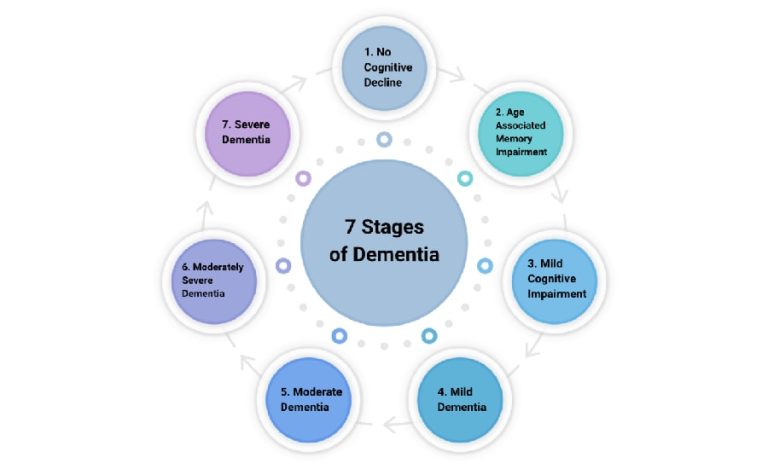
Unlike general health diets, the MIND diet focuses specifically on foods that affect brain health. It doesn’t just encourage the “good” foods but explicitly limits those that contribute to cognitive decline. According to the Nevada Appeal, the diet encourages the consumption of plant-based foods and healthy fats while restricting saturated fats and refined sugars.
Foods to Prioritize in the MIND Diet
- Whole Grains: Replacing refined grains with oats, quinoa, and brown rice.
- Nuts: Specifically walnuts and almonds for their healthy fat content.
- Olive Oil: Used as the primary cooking and dressing oil.
- Beans and Legumes: Providing plant-based protein and fiber.
- Poultry: Preferred over red meats, though consumed in moderation.
Foods to Limit to Protect the Brain
The MIND diet warns against several categories of food that are linked to increased dementia risk. According to the AgriLife Today webinar on dietary approaches to brain health, the following should be minimized:
- Red Meats: Including beef, pork, and lamb.
- Butter and Margarine: Limited to small portions to reduce saturated fat intake.
- Cheese: Especially high-fat varieties.
- Pastries and Sweets: Refined sugars are linked to insulin resistance in the brain.
- Fried or Fast Foods: These contribute to systemic inflammation.
A related explainer on the DASH diet provides further context on how blood pressure management correlates with vascular dementia prevention.
How Nutrition Impacts Brain Aging and Cognitive Decline
The relationship between food and brain health is rooted in the prevention of inflammation and oxidative stress. According to the AgriLife Today webinar, “Dietary Approaches to Support Brain Health in Aging,” the brain is highly susceptible to oxidative damage because it consumes a disproportionate amount of the body’s oxygen.
When the body lacks the necessary antioxidants found in berries and leafy greens, free radicals can damage the lipid membranes of brain cells. This damage disrupts the transmission of electrical signals, leading to the memory loss and cognitive fog associated with early-stage dementia. Fatty fish provide the structural lipids necessary to repair these membranes, according to reports from HuffPost.
The Role of Insulin Resistance
Recent medical discourse often refers to Alzheimer’s as “Type 3 Diabetes.” This is because insulin resistance doesn’t just happen in the pancreas or muscles; it can happen in the brain. According to the MIND diet guidelines cited by the Nevada Appeal, high intake of refined sugars and saturated fats can lead to insulin resistance in the brain, which impairs the ability of neurons to use glucose for energy. This energy failure accelerates the death of brain cells.
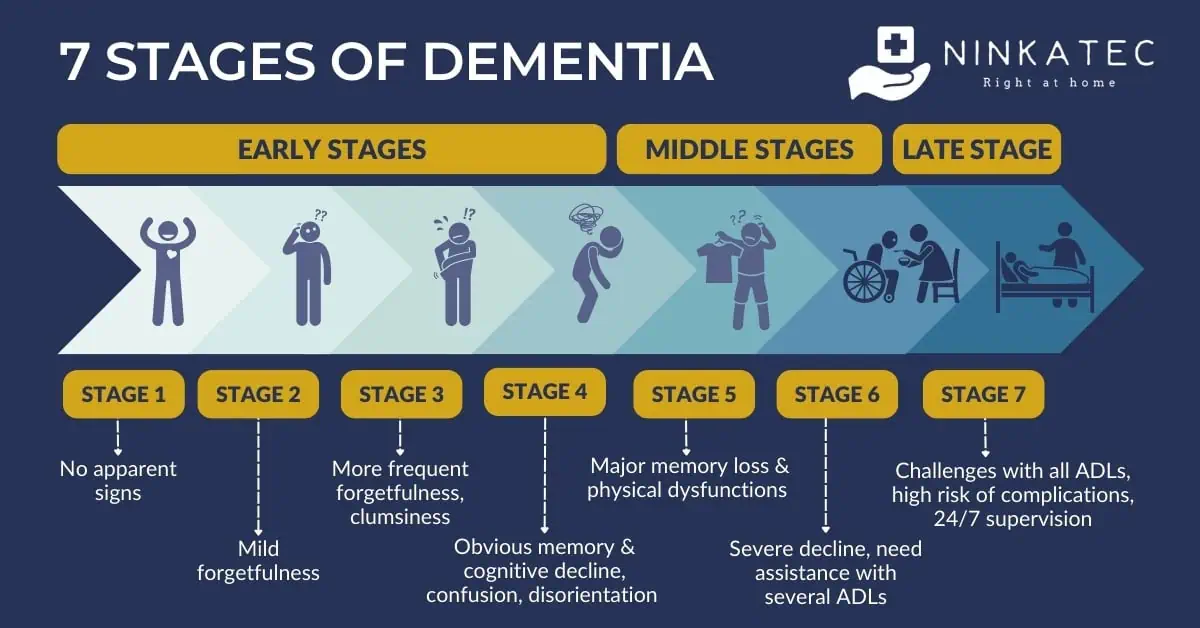
Vascular Health and Brain Function
The brain relies on a constant supply of oxygenated blood. Any condition that damages the arteries—such as high blood pressure or high cholesterol—increases the risk of vascular dementia. By combining the DASH diet’s focus on sodium reduction with the Mediterranean diet’s focus on healthy fats, the MIND diet protects the blood vessels that feed the brain, according to AgriLife Today.
Comparing Brain-Healthy Foods: The Time Magazine Perspective
While BuzzFeed and HuffPost focus on a core group of three foods, Time Magazine expands this list to the “6 Best Foods for Brain Health.” This broader approach suggests that while the “core three” are critical, a diversified nutrient profile provides a more robust defense against dementia.
Time Magazine includes items such as turmeric, dark chocolate (with high cocoa content), and avocados alongside the berries and fish mentioned in other reports. The addition of turmeric is particularly notable due to curcumin, which is reported to have anti-inflammatory properties that may help clear amyloid plaques from the brain.
| Source | Focus | Key Recommendation | Approach |
|---|---|---|---|
| BuzzFeed / HuffPost | Core Risk Reduction | Leafy Greens, Berries, Fatty Fish | Targeted Intervention |
| Time Magazine | General Brain Health | 6 Best Foods (including Turmeric, Avocado) | Broad Nutritional Support |
| Nevada Appeal | Systemic Prevention | The MIND Diet Framework | Lifestyle/Dietary Pattern |
Common Misconceptions About Dementia and Diet
There is a frequent misunderstanding that dietary changes can “cure” dementia once it has progressed to a clinical stage. According to the AgriLife Today webinar, dietary interventions are primarily preventative or slowing mechanisms. They are not a replacement for medical treatment but act as a critical layer of risk management.
Myth: “Superfoods” Can Stop Alzheimer’s
The term “superfood” is often used in marketing, but specialists warn against relying on a single food to prevent dementia. As the Nevada Appeal notes, the MIND diet is effective because of the pattern of eating, not a single ingredient. Eating blueberries while maintaining a diet high in fried foods and sugar will not yield the same results as a comprehensive dietary shift.
Myth: All Fats are Bad for the Brain
Many people avoid fats entirely to prevent heart disease, but the brain is composed of nearly 60% fat. According to HuffPost, avoiding healthy fats—like those found in olive oil and fatty fish—can actually be detrimental to cognitive health. The key is the type of fat: unsaturated fats (omega-3s) protect the brain, while trans fats and excessive saturated fats damage it.
Practical Steps for Implementing Brain-Healthy Eating
Transitioning to a dementia-preventing diet does not require an overnight overhaul. Specialists suggest incremental changes to ensure the habits are sustainable.
Integrating the “Core Three”
- Leafy Greens: Add a handful of spinach to morning smoothies or replace a side of corn/potatoes with sautéed kale.
- Berries: Use frozen berries in oatmeal or yogurt to reduce costs while maintaining nutrient density.
- Fatty Fish: Aim for two servings per week. For those who dislike fish, specialists suggest high-quality omega-3 supplements, though whole foods are preferred.
The “Swap” Method
To align with the MIND diet, the Nevada Appeal suggests simple swaps:
- Swap butter for olive oil when cooking.
- Swap white bread for whole-grain or sprouted-grain bread.
- Swap a sugary dessert for a bowl of mixed berries.
- Swap red meat for poultry or beans in three meals per week.
“The goal is not perfection, but a consistent pattern of choosing brain-protective foods over brain-damaging ones.” — Insights derived from the AgriLife Today brain health webinar.
Frequently Asked Questions
Can eating these foods reverse existing dementia?
According to reports from AgriLife Today and the MIND diet research, these foods are designed to lower the risk of developing dementia or slow the progression of cognitive decline. They are not currently recognized as a cure for existing dementia.

Is the MIND diet different from the Mediterranean diet?
Yes. While they share similarities, the MIND diet is more specific about brain health. For example, the MIND diet specifically emphasizes berries over other fruits and explicitly limits cheese and butter more strictly than the standard Mediterranean diet, according to the Nevada Appeal.
How often should I eat fatty fish to see a benefit?
Based on the guidelines discussed in HuffPost and the MIND diet framework, consuming fatty fish at least once a week is recommended, with two servings being ideal for optimal omega-3 intake.
Are frozen berries as effective as fresh ones?
Yes. Most specialists and nutritional reports, including those referenced by BuzzFeed, indicate that frozen berries often retain the same levels of anthocyanins and antioxidants as fresh berries, making them a cost-effective alternative.
Can supplements replace these foods?
While omega-3 supplements can provide DHA and EPA, the AgriLife Today webinar emphasizes that whole foods provide a complex matrix of nutrients (like fiber and various antioxidants) that supplements cannot replicate. Whole foods are consistently recommended over isolated supplements.
