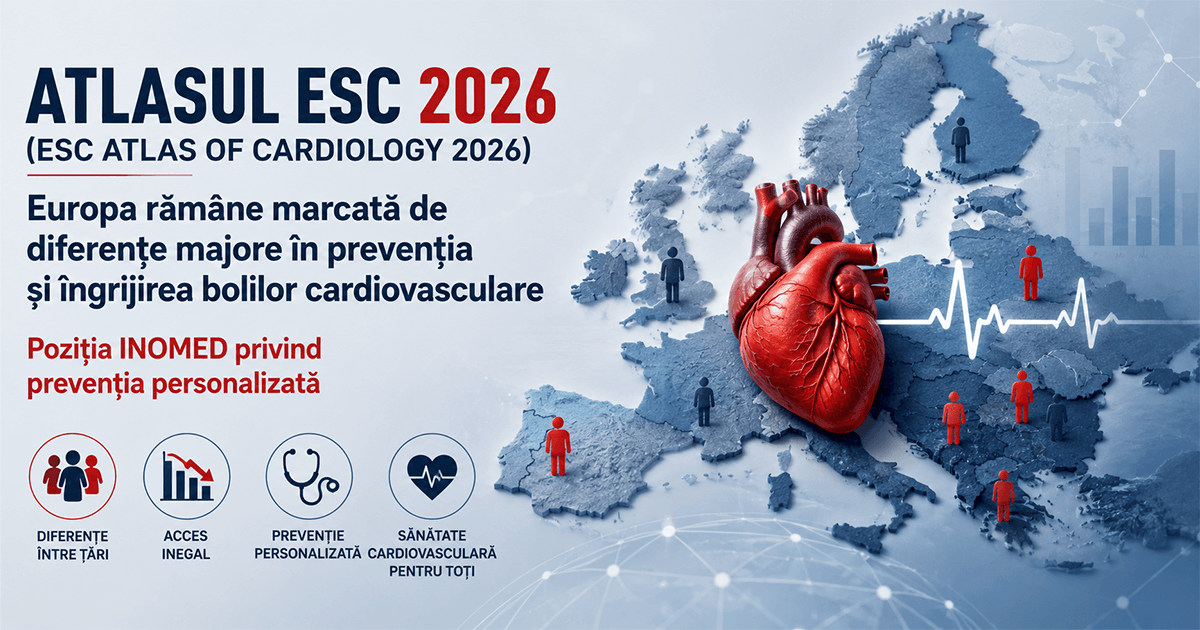
Heart health outcomes in Europe remain deeply divided by geography, according to the 2026 European Society of Cardiology (ESC) Atlas. The report highlights that cardiovascular diseases (CVD) continue to produce significant inequalities across the continent, affecting populations differently based on their location and access to care.
- Cardiovascular diseases continue to cause major health disparities across various European regions.
- There is a critical need for a shift toward personalized prevention strategies.
- Healthcare models must become more citizen-centered to address these systemic inequalities.
Addressing Regional Health Disparities
The ESC Atlas serves as a comprehensive mapping of the burden of heart disease. The 2026 data underscores a persistent gap in how cardiovascular conditions are managed and their resulting impact on mortality and morbidity. These inequalities suggest that the risk and treatment of heart disease are not uniform, often reflecting broader socioeconomic and systemic differences between European nations.

The Move Toward Personalized Prevention
In response to these findings, INOMED has voiced its support for a transition toward personalized prevention. Rather than applying a universal approach to cardiovascular health, this strategy emphasizes tailoring interventions to the specific needs and risk profiles of individual citizens.
Advocates for this approach argue that a citizen-centered model is essential for closing the health gap. By focusing on the unique requirements of the patient and their environment, healthcare providers may better address the root causes of the inequalities identified in the ESC Atlas.
