
Astronauts Take Shelter During Repair to Fix Leak on Space Station – 1News
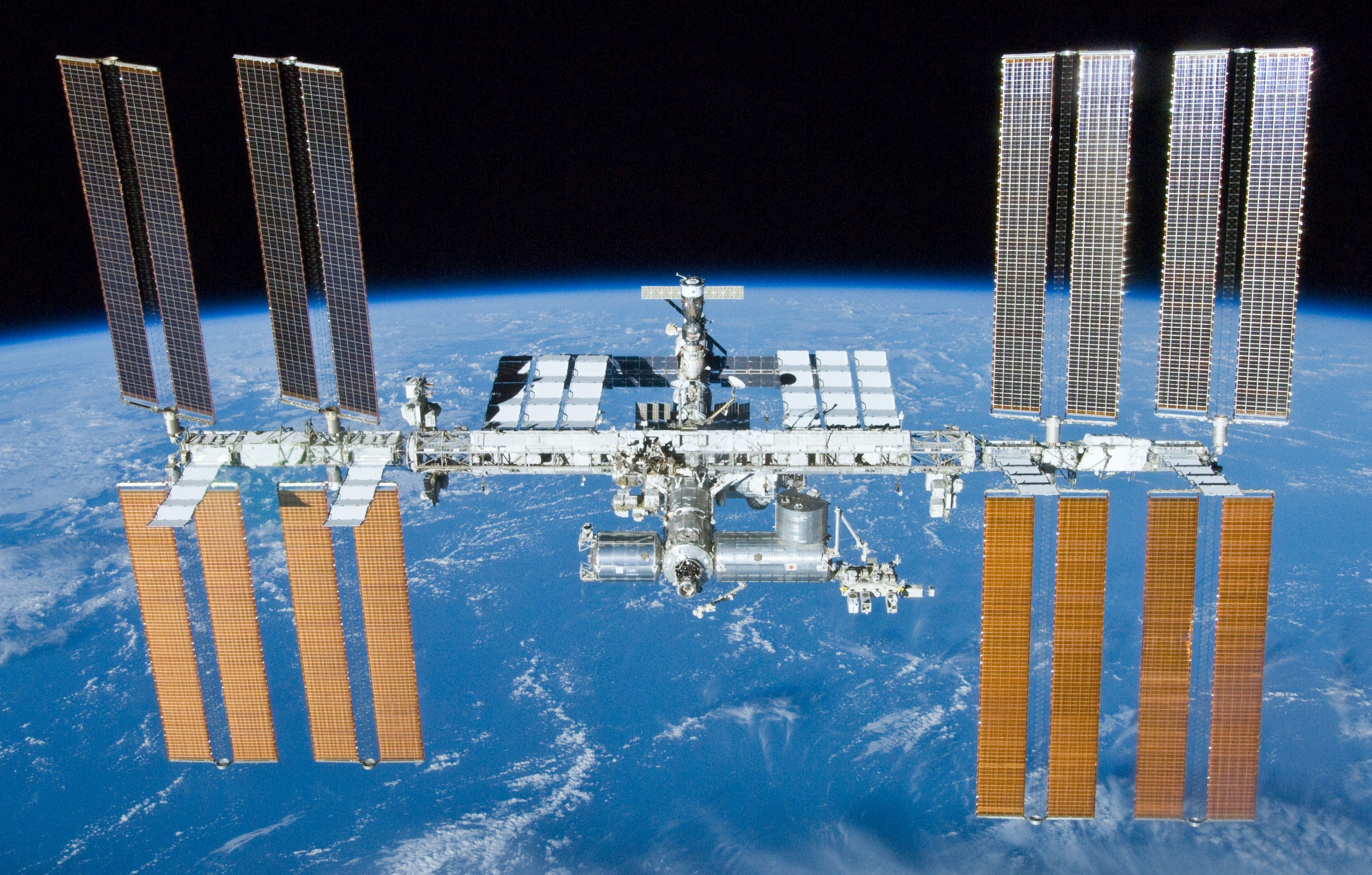
In a high-stakes operation orbiting hundreds of miles above Earth, the crew of the International Space Station (ISS) recently faced a critical safety challenge when a suspected air leak forced an emergency shift in operations. In a move designed to prioritize human life over routine research, NASA directed its ISS crew members to board their respective spacecraft, effectively taking shelter while engineers and astronauts worked to identify and resolve the atmospheric breach.
The incident, which sparked global concern and highlighted the inherent risks of long-term habitation in the vacuum of space, saw astronauts temporarily evacuate the main living and working quarters of the station. While the situation was resolved and the crew has since returned to their normal duties, the event serves as a stark reminder of the fragility of the pressurized environments that sustain human life in low Earth orbit. The sequence of events—from the initial detection of the leak to the evacuation order and the subsequent return to stability—underscores the rigorous safety protocols that govern every second of life aboard the ISS.
The Emergency Sequence: From Detection to Shelter
The crisis began when monitoring systems indicated a loss of pressure within the station’s modules. On the International Space Station, maintaining a constant, Earth-like atmospheric pressure is the most fundamental requirement for survival. Even a microscopic puncture or a failing seal can lead to a gradual or rapid decline in oxygen levels and pressure, which would be fatal without immediate intervention.
When the leak was detected, NASA mission control implemented a precautionary evacuation order. Rather than attempting to locate the leak while the entire crew remained in the potentially compromised area, the crew was instructed to move into the docked spacecraft. These vehicles, such as the SpaceX Crew Dragon or the Russian Soyuz, serve a dual purpose: they are the taxis that bring astronauts to and from Earth, but they also function as “lifeboats” during station-wide emergencies.
By boarding these spacecraft, the astronauts were effectively isolated from the station’s main atmosphere. This strategic move ensured that if the leak had escalated into a catastrophic decompression event, the crew would have remained safe within their independent, pressurized hulls, capable of returning to Earth if the station became uninhabitable.
Key Timeline of the Incident
- Detection: Monitoring systems identify an abnormal drop in atmospheric pressure.
- Evacuation Order: NASA directs the crew to abandon the main modules and board docked spacecraft.
- Shelter Phase: Astronauts remain in the spacecraft while the leak is investigated and repair attempts are initiated.
- Resolution: The leak is addressed or stabilized, and the environment is declared safe.
- Resumption: The crew exits the spacecraft and returns to their standard scientific and maintenance schedules.
The Mechanics of an Orbital Air Leak
To the average observer, a “leak” in space might conjure images of a dramatic hole in the wall. However, in the context of the ISS, leaks are often more subtle and technically complex. The station is a modular assembly of pressurized cylinders, and the points where these modules connect—the seals and hatches—are the most common points of failure.
Air leaks can be caused by several factors:
- Material Degradation: The ISS is exposed to extreme temperature swings and intense solar radiation, which can cause seals to shrink, crack, or lose elasticity over time.
- Micrometeoroid and Orbital Debris (MMOD): Tiny pieces of space rock or man-made debris traveling at hypersonic speeds can create “pinhole” leaks in the station’s hull.
- Mechanical Wear: The constant expansion and contraction of the station’s structure can put stress on joints and valves.
The ability of the crew to transition from a state of routine scientific research to emergency survival mode in a matter of minutes is a testament to the rigorous training provided by NASA and its international partners.
Why “Taking Shelter” is the Primary Protocol
The decision to have astronauts take shelter during a repair is not an overreaction, but a calculated risk-management strategy. When a leak is detected, there are two primary dangers: the loss of breathable air and the risk of rapid decompression.
If a leak is small, the station’s life support systems can often compensate by pumping in more oxygen and nitrogen. However, the process of fixing the leak can sometimes inadvertently make it worse. For example, if a seal is being manipulated or a patch is being applied, there is a risk that the structural integrity of the area could fail momentarily, leading to a sudden “blowout.”
By relocating the crew to the spacecraft, NASA removes the human element from the danger zone. This allows the remaining repair team (or robotic systems) to work with the knowledge that the majority of the crew is already in a safe, independent environment. It transforms a potential mass-casualty event into a manageable technical problem.
| Scenario | Action Taken | Primary Goal |
|---|---|---|
| Minor Pressure Drop | Increased gas replenishment | Stabilize atmosphere |
| Unidentified/Growing Leak | Evacuation to spacecraft | Crew preservation (Lifeboat protocol) |
| Confirmed Leak Location | Targeted repair/patching | Structural restoration |
| Post-Repair Verification | Pressure testing and monitoring | Ensure long-term stability |
The Broader Context: An Aging Space Station
The International Space Station is one of the most complex engineering feats in human history, but it is also an aging structure. Having been inhabited continuously for over two decades, the station is reaching a point where maintenance is becoming a dominant part of the crew’s daily schedule.
The incident where astronauts had to take shelter is reflective of a wider trend in orbital operations: the transition from a “construction” phase to a “maintenance and sustainment” phase. As the station ages, the frequency of seal failures and hardware glitches is expected to increase. This places a higher premium on the “lifeboat” capability of the docked spacecraft.
NASA’s current leadership, under Administrator Jared Isaacman, continues to manage a massive budget—approximately $24.4 billion for 2026—to ensure that the agency can balance the upkeep of the ISS with the ambitious goals of the Artemis program. The Artemis program, which aims to return humans to the Moon and eventually send them to Mars, relies heavily on the lessons learned from ISS emergencies. If NASA can successfully manage air leaks and evacuation protocols on the ISS, they can apply those safety frameworks to the more isolated and dangerous environments of deep space.
Implications for Future Deep Space Missions
The ISS serves as a testbed for the challenges humans will face on Mars. Unlike the ISS, which is supported by a constant stream of supply ships and a nearby ground control center, a Mars colony will have to be entirely self-sufficient. The recent leak incident highlights several critical needs for future exploration:
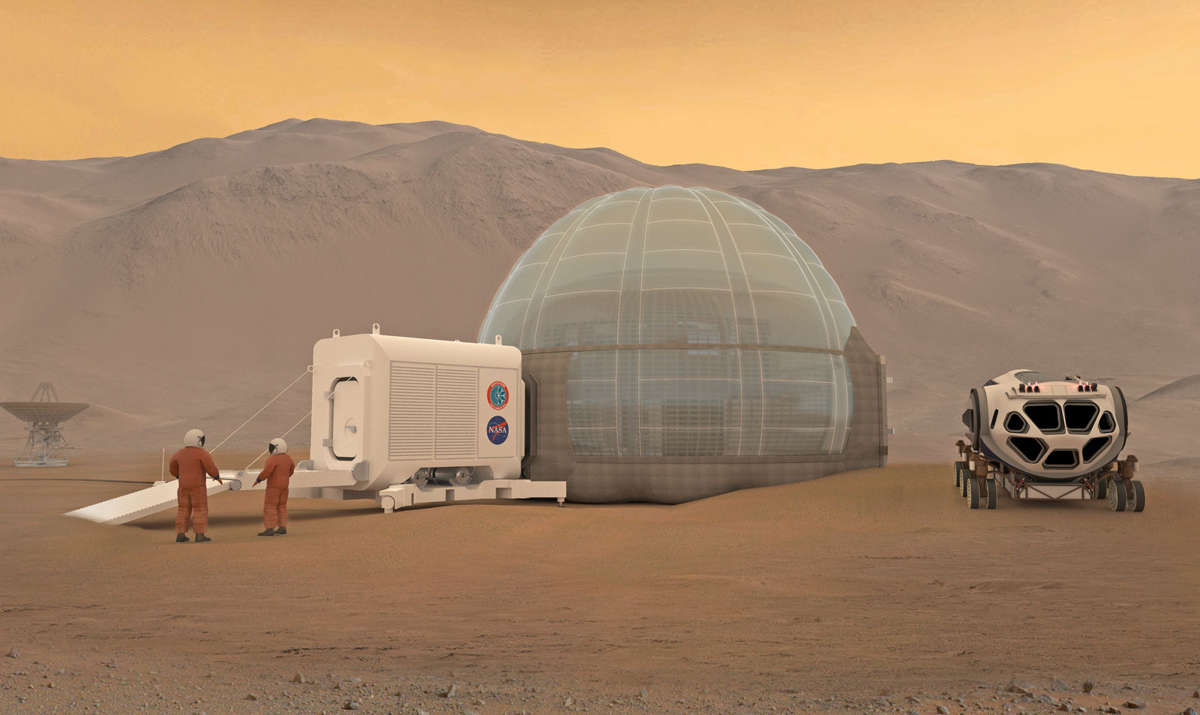
- Advanced Self-Healing Materials: The development of polymers that can automatically seal punctures without human intervention.
- Autonomous Leak Detection: AI-driven sensors that can pinpoint a leak to the millimeter within seconds.
- Enhanced Modular Isolation: The ability to seal off small sections of a habitat without disrupting the rest of the facility.
The Psychological Toll of Orbital Emergencies
While the physical danger of an air leak is the primary concern, the psychological impact on the crew cannot be overlooked. Living in a confined space where the only thing separating you from a vacuum is a few inches of aluminum and titanium creates a baseline of stress. When an evacuation order is issued, that stress spikes.
The transition from “normal duties” to “sheltering in a spacecraft” is a jarring shift. It reminds the crew that their environment is fundamentally hostile. However, the successful resolution of these events often builds resilience and trust in the systems. When the crew resumes their duties, they do so with a reaffirmed confidence in the safety protocols that protected them.
For those following the story via reports from outlets like 1News or the BBC, the narrative often focuses on the technical fix. But for the astronauts, the experience is about the discipline of the drill—the muscle memory of boarding the spacecraft and the relief of hearing the “all clear” from Houston.
Common Misconceptions About Space Station Leaks
In the wake of news reports regarding the ISS leak, several common misconceptions often arise. It is important to clarify these to understand the reality of orbital survival.
“Would the air just suck everyone out of the station?”
In movies, a leak often results in people being sucked through a hole. In reality, unless there is a massive structural failure, a leak is usually a slow hiss. The station’s volume is large enough that a small leak wouldn’t cause an immediate “vacuum cleaner” effect, but it would gradually lower the partial pressure of oxygen, leading to hypoxia if not corrected.
“Is the station now unsafe to inhabit?”
Not necessarily. The ISS is designed with redundancy. The fact that the crew took shelter is a preventative measure, not a sign that the station is collapsing. Once a leak is patched and the pressure is stabilized, the station is as safe as it was before the incident.
“Why can’t they just fix it from the outside?”
Many repairs are done via Extravehicular Activity (EVA), or spacewalks. However, if a leak is internal (like a faulty valve or a seal inside a module), it must be fixed from the inside. The danger of fixing it from the inside is the risk of causing a sudden decompression, which is why the shelter protocol is used.
Looking Toward the Future of Orbital Habitation
The incident where astronauts took shelter during a repair to fix a leak on the space station underscores the ongoing dialogue between risk and discovery. As we move toward the end of the ISS’s operational lifespan, the lessons learned from these “near-misses” and emergency drills are invaluable.
The collaboration between NASA and its international partners ensures that no single nation bears the burden of these risks. The shared protocols for evacuation and repair are a model for how humanity can work together to survive in the most inhospitable environment known to man.
As the agency pivots toward the Artemis missions and the eventual exploration of Mars, the “lifeboat” strategy will remain a cornerstone of astronaut safety. The ability to identify a threat, evacuate to a secure pod, and systematically resolve the issue is the only way humans can continue to push the boundaries of the final frontier.
Frequently Asked Questions
What does it mean for astronauts to “take shelter” on the ISS?
Taking shelter typically means moving out of the main modules of the International Space Station and entering the docked spacecraft (such as the SpaceX Crew Dragon or Russian Soyuz). These spacecraft have their own independent life support and pressure systems, acting as safe havens or “lifeboats” if the station’s main atmosphere is compromised.
How do astronauts detect an air leak in space?
The ISS uses a combination of pressure sensors that monitor the overall atmospheric levels and ultrasonic leak detectors. If the pressure drops faster than the life support systems can replenish it, or if sensors detect the specific sound frequency of air escaping, an alarm is triggered for the crew and ground control.
Is an air leak on the ISS a common occurrence?
While not “common” in the sense of happening daily, small leaks and pressure anomalies are a known risk for any pressurized structure in space. Because the ISS is an aging facility, the frequency of these maintenance issues is expected to increase, making regular drills and safety protocols essential.
Can a leak on the space station cause it to crash?
No. An air leak affects the internal atmosphere (the air the astronauts breathe), but it does not affect the station’s orbital velocity or its trajectory. A leak is a life-support crisis, not a navigational one.
Who is responsible for directing the crew during such emergencies?
NASA’s Mission Control, in coordination with other international partners (such as Roscosmos, ESA, and JAXA), monitors the station 24/7. They are responsible for analyzing the sensor data and issuing orders, such as the directive for crew members to board their spacecraft for safety.
For more information on how NASA manages orbital risks, you may find a related explainer on ISS safety protocols helpful in understanding the redundancies built into the station.
