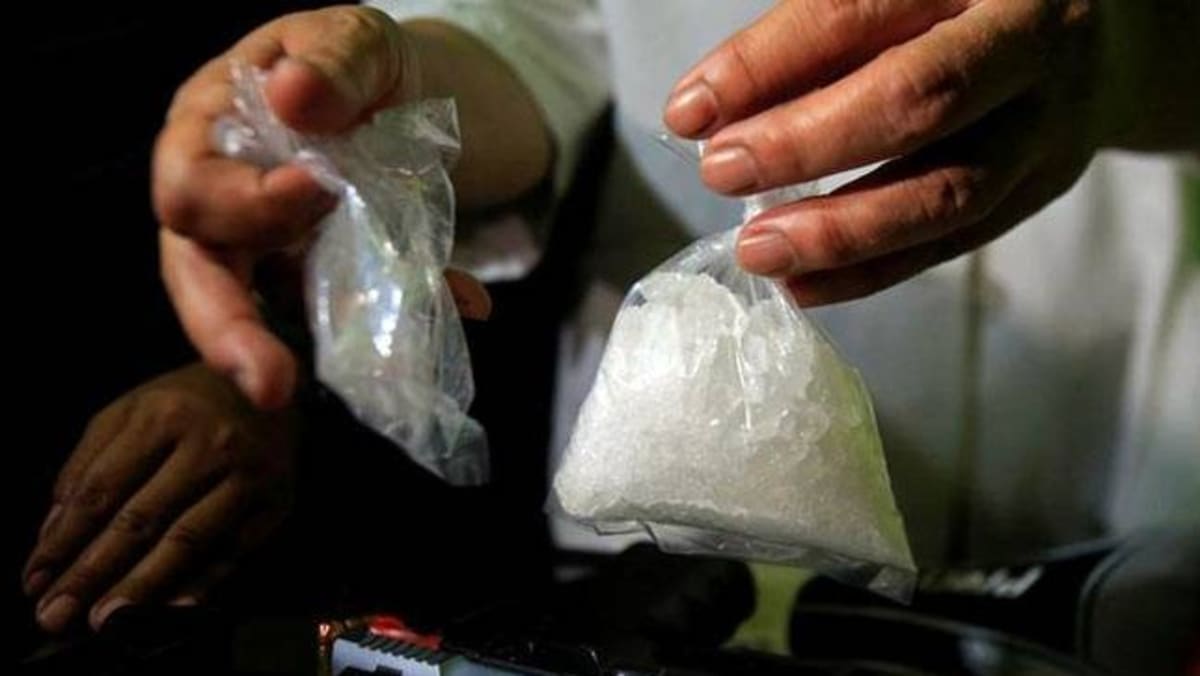
Asia’s Synthetic Drug Seizures Surge Amid Rising Scam Connections, UN Warns
Asia recorded its highest-ever annual seizures of synthetic drugs in 2023, with authorities across the region intercepting over 200 tons of substances linked to organized fraud networks, according to a United Nations report released this week. The findings reveal a concerning alignment between the illicit drug trade and financial scams, prompting calls for coordinated regional action.
What Drives the Record Seizures?
Regional law enforcement agencies reported a 45% increase in synthetic drug seizures compared to 2022, with countries such as Thailand, Vietnam, and India accounting for the majority of the volume. The UN Office on Drugs and Crime (UNODC) attributed the rise to improved interagency cooperation and advanced forensic technologies that have enhanced detection capabilities.
“The spike in seizures reflects both a growing criminal market and more effective enforcement strategies,” said a UNODC spokesperson. “However, the complexity of these operations requires a multi-layered response.”
Key Trends in Synthetic Drug Production
- Chemical Innovation: Criminal networks are increasingly using novel compounds to evade detection, with over 60% of seized substances containing unregulated synthetic opioids or stimulants.
- Online Distribution: Dark web marketplaces account for 35% of synthetic drug transactions, according to Interpol data, enabling cross-border trafficking with minimal physical risk.
- Manufacturing Hubs: The Mekong Triangle and South Asian coastal regions have emerged as major production zones, with labs operating under the guise of legitimate businesses.
Scam Networks and Drug Trafficking: A Growing Intersection
Investigators have identified a direct link between synthetic drug trafficking and financial fraud schemes, particularly in Southeast Asia. The UN report highlights that 28% of intercepted drug shipments were accompanied by fraudulent documents or money laundering activities.
“Scammers are leveraging the drug trade to mask illicit financial flows,” explained Dr. Amina Khan, a senior analyst at the Global Financial Integrity Institute. “This creates a dual threat that requires both law enforcement and financial regulators to act in tandem.”
Case Study: The 2023 Thailand Seizure
In June 2023, Thai authorities dismantled a network that produced over 15 tons of synthetic opioids, many of which were sold alongside counterfeit pharmaceuticals. The operation revealed how scammers used fake medical licenses to distribute drugs, exploiting public trust in healthcare systems.
“This case underscores the need for stricter licensing protocols and cross-sector collaboration,” said a Thai National Police spokesperson. “The lines between health fraud and drug trafficking are blurring.”
Regional Responses and Challenges
Governments across Asia have initiated measures to combat the crisis, including expanded border surveillance and stricter penalties for synthetic drug-related crimes. However, experts warn that enforcement remains uneven.
Comparative Enforcement Efforts
| Country | 2022 Seizures (tons) | 2023 Seizures (tons) | Percentage Increase |
|---|---|---|---|
| Thailand | 32 | 47 | 47% |
| Vietnam | 28 | 41 | 46% |
| India | 24 | 36 | 50% |
Despite these efforts, gaps persist. In countries with weaker regulatory frameworks, traffickers exploit jurisdictional loopholes. The UN report notes that 12% of synthetic drug cases remain unresolved due to insufficient evidence or lack of international cooperation.
Why This Matters: Health, Economy, and Security Impacts
The surge in synthetic drug use has severe public health consequences. In 2023, overdose cases in Southeast Asia rose by 30%, with synthetic opioids accounting for 65% of fatalities. The economic toll is equally significant, with healthcare costs and lost productivity estimated at $12 billion annually.
“This isn’t just a law enforcement issue—it’s a societal crisis,” said Dr. Rajiv Mehta, a public health professor at the University of Singapore. “The intersection with scams amplifies the threat, as victims are often targeted multiple times.”
Scam-Drug Hybrid Cases
- Phishing Scams: Fraudsters use fake medical websites to sell counterfeit drugs, often linked to synthetic substance distribution.
- Investment Fraud: Scammers channel illicit drug profits into fake investment schemes, further complicating financial investigations.
- Identity Theft: Criminals use stolen identities to operate drug labs, masking their activities from authorities.
Global Implications and Future Outlook
The UN report emphasizes that the Asia synthetic drug-scam nexus has global ramifications. Illicit substances and financial fraud networks often extend beyond the region, affecting markets in Europe and North America. The organization has urged countries to adopt a unified approach, including shared databases and joint task forces.
“This is a transnational challenge that demands transnational solutions,” said a UNODC official. “We’re seeing the same networks operating in multiple regions, which means isolated efforts won’t suffice.”
Frequently Asked Questions
What are synthetic drugs, and why are they dangerous?
Synthetic drugs are chemically manufactured substances designed to mimic the effects of illegal drugs. They are particularly hazardous because their composition is often unknown, leading to unpredictable and severe health effects, including addiction, organ failure, and death.
How do scam networks tie into drug trafficking?
Scam networks often use the drug trade to launder money, create fake identities, and distribute counterfeit medications. This overlap allows criminals to exploit both financial and health systems, making detection and prosecution more complex.
What steps are being taken to address the crisis?
Regional governments are enhancing surveillance, increasing penalties for drug-related crimes, and strengthening international collaboration. The UN has also called for greater public awareness campaigns to educate communities about the risks of synthetic drugs and financial fraud.
