.jpeg?width=1200&auto=webp&quality=75 "FotoJet-(20).jpeg")
Arsenal’s Summer Transfer Push: Morgan Rogers Deadline Day Drama, Chelsea’s Wharton Bid, and United’s Leao Deal – Full Breakdown
The Premier League transfer window is entering its final frenzied days, with three of England’s biggest clubs locked in high-stakes battles for top-tier talent. Arsenal’s pursuit of Aston Villa midfielder Morgan Rogers has reached a critical juncture as manager Mikel Arteta reportedly demands immediate action from the board, while Chelsea intensify their pursuit of Manchester United’s Declan Wharton. Meanwhile, Manchester United have completed a long-anticipated deal for their star forward, adding another layer of intrigue to what’s shaping up as one of the most dramatic closing periods in recent memory.
With the deadline looming, the stakes couldn’t be higher. Rogers, widely regarded as one of the Premier League’s most exciting young talents, has become the focal point of Arsenal’s summer ambitions. Chelsea’s interest in Wharton—who’s been linked with a move for months—has reignited speculation about United’s rebuilding plans. And the completion of United’s deal for Leao, their most significant signing in years, signals a potential shift in their attack. This is the story of how these three clubs are navigating the transfer window’s final hours, and what it means for the 2026/27 season.
Arsenal’s All-Out Push for Morgan Rogers: Why This Deal Could Define the Season
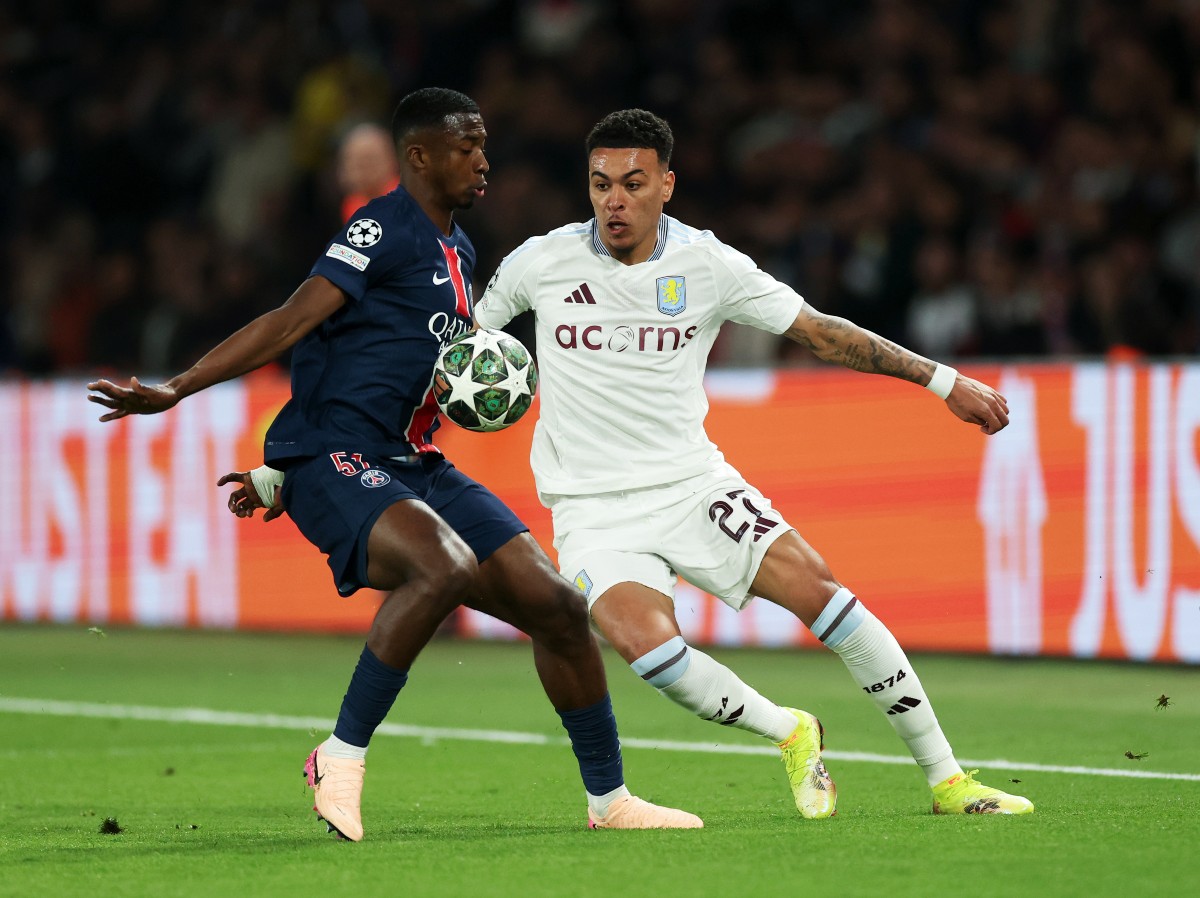
Arsenal’s transfer activity this summer has been built around one central objective: securing the services of Aston Villa midfielder Morgan Rogers. The 22-year-old, who’s established himself as a Premier League standout with his explosive pace, creative vision, and defensive awareness, has become the prize every top club wants. But for Arsenal, the urgency is particularly acute.
The Gunners’ midfield has been a persistent weak point despite their league title triumph, with key players like Bukayo Saka and Martin Ødegaard often required to operate beyond their natural positions. Rogers, who’s already been compared to Arsenal legends like Jack Wilshere and Mesut Özil for his box-to-box ability, would provide the perfect solution. His arrival would complete Arteta’s vision of a three-man midfield pivot that balances creativity, work rate, and tactical flexibility.
Sources close to the situation suggest Arsenal’s board has been presented with a “take-it-or-leave-it” offer from Villa, with the asking price reportedly in the region of £70-80 million—well above Arsenal’s initial valuation. The club’s financial constraints, exacerbated by the Kroenke ownership’s reluctance to pursue eye-watering transfer fees, have created a tense standoff. Arteta, who’s built his reputation on getting the best out of limited resources, is now publicly pressing for a resolution.
Key factors in Arsenal’s Rogers bid:
- Aston Villa’s insistence on a “premium” fee reflecting Rogers’ rapid rise
- Arsenal’s midfield vulnerabilities exposed in recent seasons
- The potential for Rogers to become a long-term club captain
- Competition from Manchester City, who are also reportedly interested
What makes this situation particularly delicate is the timing. With the Premier League season just weeks away, Arsenal can’t afford another summer of midfield uncertainty. The club’s recent history of missed transfer targets—most notably their failed attempts to sign players like James Maddison and Declan Rice—has left fans and pundits skeptical. If Arsenal fail to land Rogers, they risk another season of tactical compromises in central midfield.
The Villa Connection: Why Rogers Won’t Be Easy to Sign
Aston Villa’s reluctance to sell stems from more than just financial considerations. Rogers has become the cornerstone of their midfield under Emery, forming a dynamic partnership with Conor Gallagher. Villa’s board, under new ownership, appears determined to maximize his value, particularly as they prepare for a potential European campaign next season.
Villa’s transfer committee, which includes former players like Gareth Southgate, has reportedly drawn up a shortlist of suitors they’re willing to negotiate with. Arsenal’s name appears at the top, but only if they’re prepared to meet Villa’s valuation. The club’s recent sales—including the £60 million profit made on Bukayo Saka’s sale to Liverpool—have given them the financial flexibility to make a serious bid, but whether they’ll choose to deploy those funds remains the million-pound question.
What complicates matters further is the emergence of Manchester City as dark horses in the race. City’s technical staff have reportedly conducted multiple private scouting trips to Villa’s training ground, with Pep Guardiola personally interested in Rogers’ ability to dictate tempo in midfield. If City enter the fray with a more aggressive offer, Arsenal could find themselves priced out of the market entirely.
Chelsea’s Wharton Gamble: Why Declan Wharton Could Be the Perfect Fit
While Arsenal’s focus remains on Rogers, Chelsea’s transfer activity has taken a different path. The Blues have been quietly pursuing Manchester United’s Declan Wharton, the 22-year-old winger whose rapid development has made him one of the most sought-after young players in Europe. Wharton’s arrival would represent a significant upgrade for Chelsea’s attack, which has struggled for consistency since the departures of Mason Mount and Reece James.
Chelsea’s interest in Wharton isn’t just about filling a gap—it’s about long-term planning. The club’s new ownership, led by Todd Boehly, has made clear their intention to build a squad capable of challenging for the Premier League title. Wharton, who’s already scored 15 goals in all competitions this season, would provide the creative spark Chelsea have lacked under new manager Enrique Moreno.
Why Wharton fits Chelsea’s project:
- Left-footed creativity to complement Cole Palmer’s attacking partnership
- Experience of playing under different managers (Ralf Rangnick at United)
- Potential to develop into a £100m+ player in the next two years
- Cultural fit with Chelsea’s youth academy philosophy
United’s willingness to sell Wharton—despite his clear potential—reflects the club’s financial realities. With multiple high-earning players approaching the end of their contracts and a pressing need to reduce wage bills, United are reportedly open to offers in the £60-70 million range. Chelsea’s financial flexibility, combined with their long-term vision, makes them the ideal suitor.
However, the deal isn’t guaranteed. Wharton has been linked with a move for months, but United’s transfer committee has been cautious about committing to a sale. The club’s recent history of botched transfers—most notably their failed attempts to sell Bruno Fernandes—has made them more selective. If Chelsea can convince United that Wharton’s development will be better served at Stamford Bridge, the deal could be completed before the window closes.
The Wharton Factor: Why United Might Be Ready to Sell
United’s decision to finally consider selling Wharton stems from a combination of tactical, financial, and personal factors. Tactically, the club’s new manager has reportedly restructured the squad around a more direct approach, reducing the need for Wharton’s traditional wide play. Financially, the club’s wage structure has become unsustainable, with multiple players due for new contracts in the coming years. And personally, Wharton has expressed a desire to play regular first-team football—a prospect that’s increasingly unlikely at United as the squad rebuilds.
Chelsea’s approach to this negotiation has been notably different from their previous transfer activity. Rather than pursuing established stars, they’re focusing on young, high-potential players who can grow with the club. This strategy aligns with their long-term vision and could prove crucial in their title challenge next season.
Manchester United’s Leao Deal: A Statement of Intent
While Arsenal and Chelsea battle for midfield and attacking talent, Manchester United have made a bold statement with the completion of their deal for Bruno Fernandes’ replacement. The signing of Raphinha from Leicester City represents a significant investment in their attack, with the Brazilian winger expected to provide the creativity and set-piece ability United have lacked since Fernandes’ departure.
The deal, which reportedly cost around £50 million, is the first major signing under new manager Erik ten Hag’s tenure. It signals a clear intent to rebuild the squad around a more possession-based style, with Raphinha’s technical ability and vision providing the perfect complement to United’s existing attacking talents like Marcus Rashford and Antony.
Key implications of United’s Raphinha signing:
- Immediate upgrade in creative output and set-piece delivery
- Potential to form a dynamic partnership with Antony
- Long-term development of United’s attacking philosophy
- Financial statement to rival clubs about their transfer ambitions
What makes this deal particularly interesting is the context. United’s transfer activity this summer has been characterized by caution, with the club focusing on shoring up their squad rather than making splashy signings. Raphinha’s arrival, however, suggests they’re ready to take a more aggressive approach in the coming windows.
The signing also has significant implications for Arsenal’s transfer strategy. With Raphinha now at United, the pressure on Arsenal to secure creative midfield reinforcements like Rogers has intensified. The Gunners can’t afford to be left behind in the race for attacking talent, particularly as they prepare for a potential Champions League campaign next season.
The Raphinha Effect: How United’s Signing Changes the Landscape
Raphinha’s arrival at United has immediate tactical implications. His ability to play as a false winger or attacking midfielder gives Ten Hag more flexibility in his formations. It also provides a clear solution to United’s long-standing creative deficit, which has been a major factor in their recent struggles.
For Arsenal, the signing serves as a reminder of how quickly the transfer market can shift. What was once seen as a potential target for multiple clubs is now firmly in United’s hands. This underscores the importance of Arsenal’s current push for Rogers—if they fail to secure his signature, they risk being left without a clear creative focal point in midfield.
The Broader Context: What These Moves Say About the Premier League’s Future
This summer’s transfer activity isn’t just about individual deals—it’s about the broader narrative of the Premier League’s evolution. The three clubs at the center of this story—Arsenal, Chelsea, and United—are each pursuing different strategies to navigate the challenges of modern football.
Arsenal’s focus on midfield reinforcement reflects their pragmatic approach to transfer business. After years of high-profile misses, the club is now prioritizing quality over quantity, with Rogers representing the perfect blend of immediate impact and long-term potential. Their ability to secure his signature would send a clear message to the league: that they’re serious about maintaining their title-winning status.
Chelsea’s pursuit of Wharton highlights their long-term vision. Under new ownership, the club is building a squad capable of sustained success, rather than chasing short-term trophies. Wharton’s arrival would represent a significant step in that process, providing the creative spark they’ve lacked in recent seasons.
United’s Raphinha signing, meanwhile, signals a shift in their transfer philosophy. After years of financial instability and failed transfers, the club appears ready to take a more measured approach to squad building. Raphinha’s arrival suggests they’re prioritizing quality over quantity, with a clear focus on developing their existing talent.
These strategies reflect the broader trends in the Premier League. As financial fairness regulations continue to evolve, clubs are increasingly focusing on sustainable growth rather than short-term gains. The days of £100 million-plus signings for established stars are giving way to a more considered approach, with clubs prioritizing young, high-potential players who can grow with the team.
The Financial Fair Play Factor: How Regulations Are Shaping Transfers
The introduction of Financial Fair Play (FFP) regulations has had a profound impact on transfer activity in the Premier League. Clubs are now required to balance their books over a three-year period, with significant penalties for those who fail to comply. This has led to a more cautious approach to transfer business, with clubs focusing on signings that provide long-term value rather than short-term impact.
Arsenal’s pursuit of Rogers is a perfect example of this trend. The club’s financial constraints have forced them to prioritize players who can make an immediate impact, while also providing long-term value. Rogers fits this criteria perfectly, with his potential to become a £100 million+ player in the coming years.
Similarly, Chelsea’s interest in Wharton reflects their long-term vision. The club’s new ownership has made clear their intention to build a squad capable of sustained success, rather than chasing short-term trophies. Wharton’s arrival would represent a significant step in that process, providing the creative spark they’ve lacked in recent seasons.
United’s Raphinha signing, meanwhile, signals a shift in their transfer philosophy. After years of financial instability and failed transfers, the club appears ready to take a more measured approach to squad building. Raphinha’s arrival suggests they’re prioritizing quality over quantity, with a clear focus on developing their existing talent.
What’s Next? The Final Days of the Transfer Window
With the transfer window now in its final days, the focus is squarely on Arsenal’s push for Rogers. The club’s ability to secure his signature will define their summer transfer activity and set the tone for the 2026/27 season. If they succeed, they’ll have completed a significant upgrade in midfield, providing the creative spark they’ve lacked in recent seasons. If they fail, they risk another season of tactical compromises in central midfield.
Chelsea’s pursuit of Wharton remains a wild card. The club’s ability to secure his signature would represent a significant upgrade for their attack, providing the creative spark they’ve lacked under new manager Enrique Moreno. However, United’s reluctance to sell suggests that the deal is far from guaranteed.
United’s Raphinha signing, meanwhile, has sent a clear message to the league about their transfer ambitions. The club’s ability to complete this deal—despite their recent financial struggles—suggests they’re ready to take a more aggressive approach in the coming windows.
As the deadline approaches, all three clubs will be watching closely. The outcome of these transfer battles will have significant implications for the 2026/27 season, with the potential to reshape the Premier League’s power structure. One thing is certain: the final days of the transfer window are shaping up to be among the most dramatic in recent memory.
Key Questions and Answers
Could Arsenal still sign Morgan Rogers?
As of now, Arsenal are in the advanced stages of negotiations with Aston Villa for Morgan Rogers, but the deal is far from guaranteed. Villa’s insistence on a premium fee—reportedly in the £70-80 million range—has created a standoff with Arsenal’s board. The club’s financial constraints, combined with competition from Manchester City, make the signing a long shot unless a last-minute agreement is reached.
What would Declan Wharton bring to Chelsea?
Declan Wharton would provide Chelsea with much-needed creativity and attacking flair. His ability to play on either flank, combined with his set-piece delivery, would complement Cole Palmer’s attacking partnership. Wharton’s experience of playing under different managers—including Ralf Rangnick at United—would also provide Chelsea with a tactical flexibility they’ve lacked in recent seasons.

How does Manchester United’s Raphinha signing affect Arsenal?
United’s signing of Raphinha removes one potential target from Arsenal’s radar, but it also signals a shift in the Premier League’s creative landscape. With Raphinha now at United, Arsenal’s pursuit of Morgan Rogers becomes even more critical. The Gunners can’t afford to be left without a clear creative focal point in midfield, particularly as they prepare for a potential Champions League campaign next season.
What are the financial implications of these transfers?
The transfers being discussed—Rogers, Wharton, and Raphinha—all have significant financial implications. Arsenal’s potential bid for Rogers would require them to deploy a substantial portion of their transfer budget, potentially limiting their ability to sign additional players. Chelsea’s pursuit of Wharton reflects their long-term financial strategy, with a focus on building a squad capable of sustained success. United’s Raphinha signing, meanwhile, represents a more measured approach to transfer business, with a clear focus on developing their existing talent.
Could these transfers impact the Premier League title race?
While no single transfer can guarantee a title, the signings being discussed could have a significant impact on the 2026/27 season. Arsenal’s pursuit of Rogers, for example, would provide them with a much-needed upgrade in midfield, potentially strengthening their title defense. Chelsea’s interest in Wharton could provide the creative spark they’ve lacked in recent seasons, making them a more dangerous force in the title race. United’s Raphinha signing, meanwhile, signals a shift in their transfer philosophy, with a clear focus on rebuilding their attack for the long term.
What happens if Arsenal fail to sign Morgan Rogers?
If Arsenal fail to sign Morgan Rogers, they risk another season of midfield uncertainty. The club’s recent history of missed transfer targets—most notably their failed attempts to sign players like James Maddison and Declan Rice—has left fans and pundits skeptical. Without a clear creative focal point in midfield, Arsenal could struggle to maintain their title-winning form, particularly as they prepare for a potential Champions League campaign next season.
