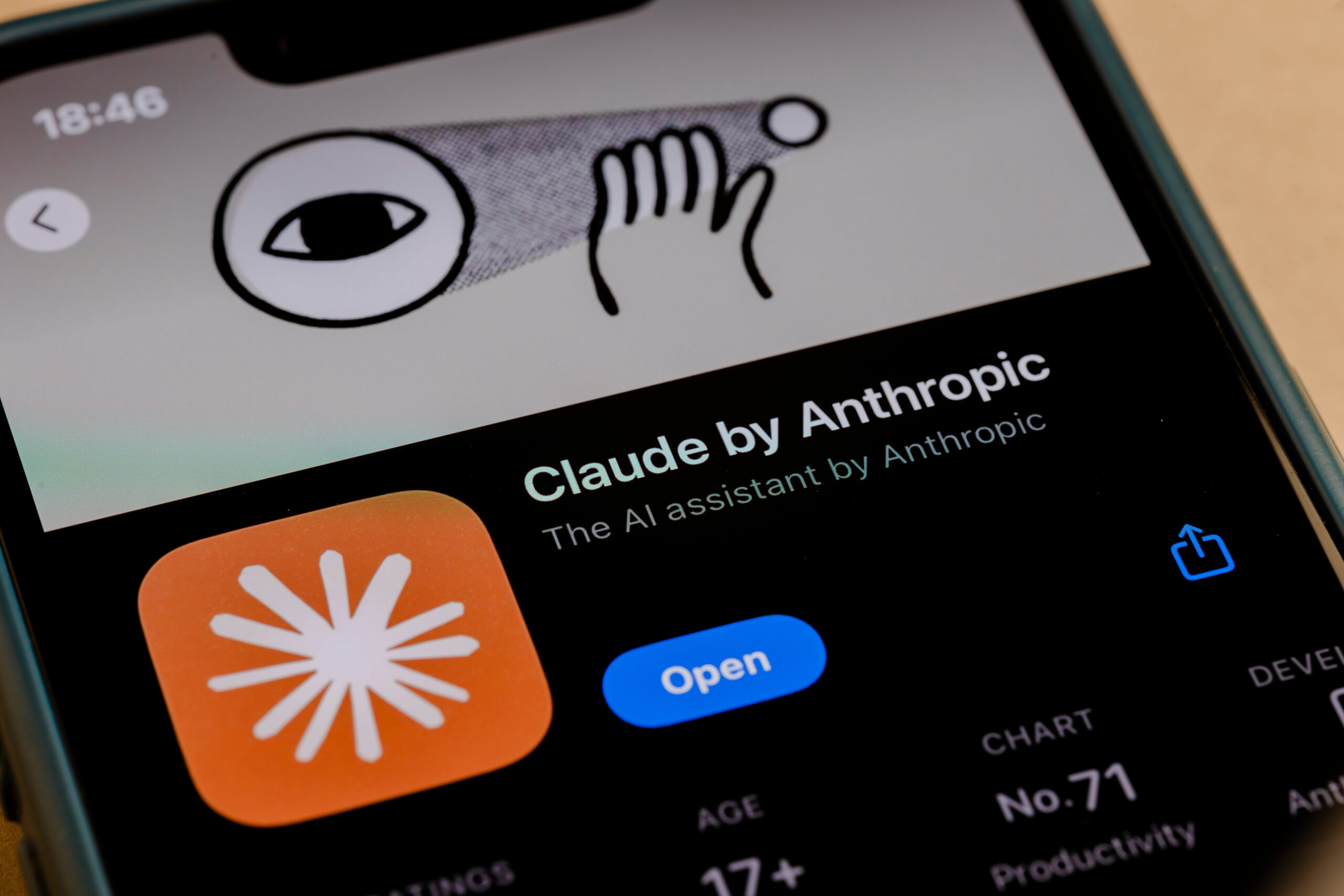
Anthropic has suspended its most advanced AI model, Claude 3, following pressure from the U.S. government over national security concerns, according to internal documents and regulatory filings. The company stated the decision was made to comply with evolving guidelines on “sensitive AI capabilities,” though specific restrictions were not disclosed. The move marks a significant shift in the company’s approach to deploying large language models (LLMs) amid heightened scrutiny of AI governance.
Technical Overview of Claude 3
Claude 3, launched in early 2024, was designed to handle complex tasks such as code generation, multilingual translation, and real-time data analysis. The model utilized a hybrid architecture combining transformer-based neural networks with specialized modules for ethical alignment and bias mitigation. According to the company, it processed over 100 billion parameters, making it one of the most powerful open-source LLMs at the time of its release.
Anthropic’s decision to suspend Claude 3 came after regulators raised concerns about its potential use in applications requiring “high-assurance security,” such as critical infrastructure management or classified communications. A spokesperson for the company said, “We are actively engaging with authorities to address these concerns while ensuring our technology remains accessible to developers and enterprises.”
Regulatory and Industry Reactions
The suspension follows a series of regulatory actions targeting AI firms in 2024, including the U.S. Department of Commerce’s proposed rules on “AI risk categorization.” These guidelines aim to restrict the deployment of models with capabilities deemed “high-risk” without proper oversight. Industry analysts suggest the move could set a precedent for stricter compliance standards across the AI sector.
Competitors such as Meta and Google have also faced similar scrutiny, though none have publicly suspended models as abruptly as Anthropic. A cybersecurity researcher noted, “This highlights the growing tension between innovation and regulation. Companies must now navigate a landscape where technical advancement is increasingly tied to bureaucratic compliance.”
What’s Next for Anthropic?
The company has not announced a timeline for reactivating Claude 3 but emphasized ongoing dialogue with federal agencies. In a recent blog post, Anthropic outlined plans to develop a “scaled-down version” of the model with enhanced security protocols. The update would prioritize transparency in decision-making processes, including third-party audits of its training data and inference mechanisms.
Developers and enterprises relying on Claude 3 for research and production work have expressed uncertainty about the impact on their workflows. Some have begun exploring alternatives, while others await further clarification from the company.
The situation underscores the challenges of balancing AI innovation with ethical and regulatory frameworks. As governments worldwide refine policies on AI governance, firms like Anthropic will need to adapt their strategies to meet evolving expectations.
