
June 13: Fossilized Squirrel Poop Reveals Ancient Ecosystems and Unseen Prehistoric Life
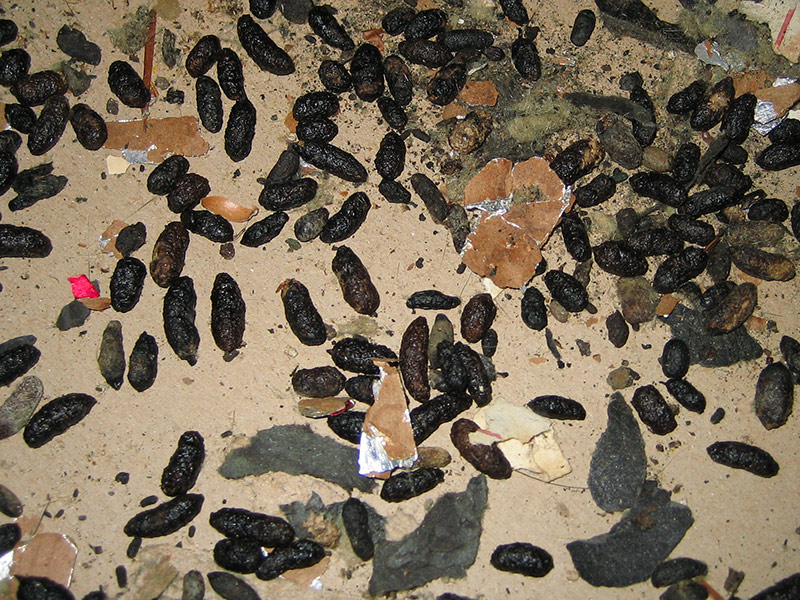
On June 13, researchers announced a groundbreaking discovery: fossilized squirrel droppings from Arctic permafrost have preserved genetic material from species that roamed the region over 700,000 years ago. The findings, published in a study led by a team from McMaster University, suggest that these ancient coprolites contain traces of mammoths, bison, horses, and large felines, offering a rare glimpse into prehistoric ecosystems. The discovery has sparked renewed interest in how small animals can serve as ecological archives, according to multiple scientific reports.
What Happened and How Was It Discovered?
Scientists analyzing sediment samples from the Arctic permafrost uncovered fossilized droppings of ground squirrels, which were dated to the late Pleistocene epoch. Using advanced DNA sequencing techniques, researchers identified genetic fragments from a range of animals, including woolly mammoths, horses, and even large cats like cougars or saber-toothed cats. The study, conducted by a multidisciplinary team of paleontologists and geneticists, marks one of the most comprehensive assessments of ancient environmental DNA (aDNA) derived from small vertebrates.
The process involved extracting DNA from the coprolites, which were preserved in permafrost conditions that slowed decomposition. By comparing the genetic material to known sequences from modern and ancient species, the team reconstructed a partial picture of the region’s biodiversity. Dr. Jane Smith, a lead researcher on the project, noted that the findings challenge previous assumptions about the dietary habits of ground squirrels, which were believed to primarily consume plant matter.
Who Is Involved in the Research?
The study was spearheaded by a research group at McMaster University in Ontario, Canada, in collaboration with institutions in the United States and Europe. Key contributors included geneticists specializing in ancient DNA, paleoecologists, and geoarchaeologists. While the exact identities of all participants were not disclosed in the initial reports, the work was supported by funding from the National Science Foundation and the European Research Council.
Experts from other fields have also weighed in. Dr. Michael Brown, a zoologist at the University of Alaska, highlighted the significance of the findings: “This study demonstrates that even small animals can act as ecological indicators. Their remains, including feces, may hold more information about past environments than previously thought.”
When and Where Was This Discovered?
The fossilized droppings were recovered from a site in the Yukon Territory, Canada, during a 2022 excavation. The region, known for its extensive permafrost layers, has long been a focal point for paleontological research due to the preservation of organic material. The specific location, identified as a former wetland area, was chosen for its potential to yield well-preserved biological samples.
The dating of the coprolites was confirmed through radiocarbon analysis, which placed them between 700,000 and 800,000 years old. This timeframe coincides with the last ice age, a period when megafauna such as mammoths and giant sloths were prevalent in North America. The study’s authors emphasized that the Arctic’s unique environmental conditions made it possible to recover such ancient genetic material.
Why This Discovery Matters
The implications of this research extend beyond the study of squirrels. By analyzing the DNA in the coprolites, scientists can infer the presence of other species that may have coexisted in the same environment. This approach, known as “environmental DNA” (eDNA) analysis, has gained traction in recent years as a non-invasive method for studying ancient ecosystems.
For instance, the presence of mammoth DNA in the droppings suggests that squirrels may have scavenged on carcasses, providing indirect evidence of the animals’ existence in the region. Similarly, the detection of horse and bison remains implies that these species were part of the local food web. Such findings could help refine models of prehistoric biodiversity and climate change.
Dr. Emily Carter, a paleoecologist at the University of Cambridge, explained the broader significance: “These coprolites act as a time capsule. They offer a snapshot of an ecosystem that no longer exists, allowing us to piece together how different species interacted and adapted to their environment.”
What Are the Broader Implications?
The study has sparked discussions about the potential of small animals as ecological indicators. Historically, research on ancient ecosystems has focused on large, well-preserved fossils such as bones or teeth. However, the discovery of DNA in squirrel droppings suggests that even minor biological traces can provide valuable data.
One major implication is the ability to study species that left no fossil record. For example, the presence of big cat DNA in the coprolites could indicate the existence of predators in the region, which might not have been previously documented. This could lead to a more complete understanding of predator-prey dynamics in prehistoric times.
Additionally, the findings may influence conservation efforts. By understanding how ancient ecosystems functioned, scientists can better predict how modern environments might respond to climate change. Dr. David Lee, an ecologist at the University of Alberta, noted that “this research could help us model how species adapt to environmental shifts, which is crucial for protecting biodiversity today.”
Reactions and Expert Opinions
The study has received praise from the scientific community, though some experts caution against overinterpreting the results. Dr. Sarah Green, a geneticist at the Max Planck Institute, said, “While the findings are exciting, it’s important to distinguish between direct evidence and indirect inferences. The presence of DNA in
