
What is happening to cause the current ‘Bitcoin winter’? – 1News
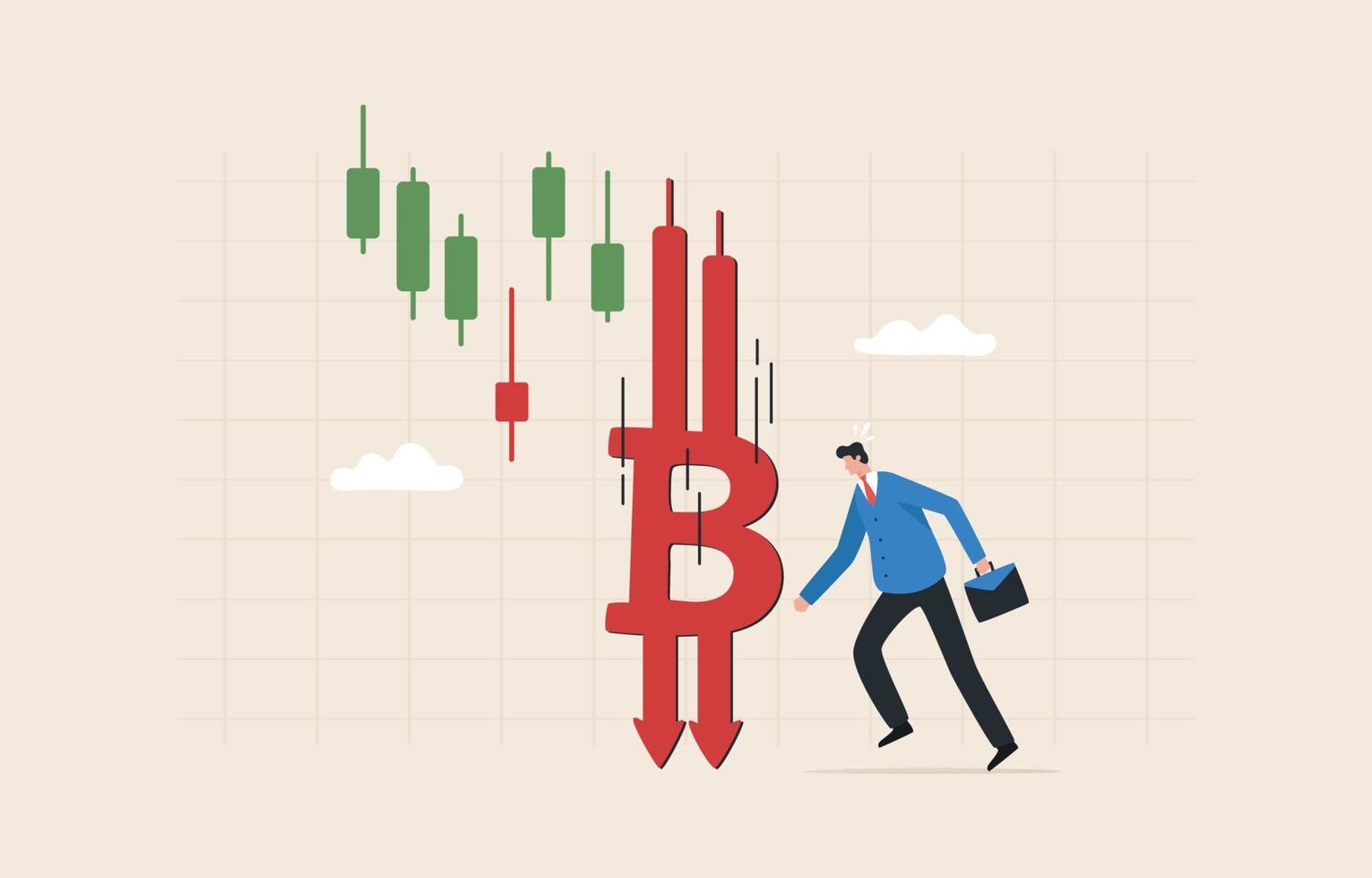
Bitcoin is experiencing a “winter”—a prolonged period of price decline and stagnant growth—driven primarily by rising global interest rates, aggressive inflation control by the U.S. Federal Reserve, and increased regulatory scrutiny of digital assets. Market analysts attribute this downturn to a shift in investor appetite from high-risk assets to safer, yield-bearing instruments as the cost of borrowing increases.
The Mechanics of a Crypto Winter
A “Bitcoin winter” is not a standard market correction. While a correction typically involves a 10% to 20% drop in price, a crypto winter is characterized by a sustained bear market that can last for months or years. According to historical market data, these periods are often marked by a collapse in trading volume and a general exodus of retail investors.
The current downturn follows a pattern seen in previous cycles, where a period of extreme euphoria and “parabolic” price growth is followed by a sharp crash. Financial analysts note that when prices rise too quickly, the market becomes overleveraged. Traders borrow money to buy more Bitcoin, betting that prices will keep climbing. When the price dips slightly, these traders face “margin calls,” forcing them to sell their assets quickly to cover their loans. This creates a domino effect of selling that drives prices down further.
Key characteristics of the current market phase include:
- Price Stagnation: Bitcoin trades within a narrow, downward-sloping range.
- Reduced Volatility: After the initial crash, the market often enters a “boring” phase where neither buyers nor sellers dominate.
- Liquidity Crunch: Fewer buyers are willing to enter the market, making it harder for large holders (whales) to exit without crashing the price further.
Why the U.S. Federal Reserve is Driving the Downturn
The most significant driver of the current Bitcoin winter is the macroeconomic environment, specifically the actions of the U.S. Federal Reserve. For over a decade, the global economy operated in a low-interest-rate environment. Cheap money encouraged investors to move into “risk-on” assets, including tech stocks and cryptocurrencies, to find higher returns.
According to Federal Reserve reports, the central bank began aggressively raising the federal funds rate to combat soaring inflation. When interest rates rise, the “risk-free rate” (the return on government bonds) becomes more attractive. Investors no longer need to take huge risks with Bitcoin to earn a profit; they can get a guaranteed return from Treasury bills.
This shift changes the fundamental math for institutional investors. As borrowing costs increase, the capital used to speculate on crypto becomes more expensive. This leads to a systemic withdrawal of liquidity from the cryptocurrency market. Market data shows a strong correlation between Federal Reserve rate hikes and Bitcoin price drops over the last 24 months.
“When the cost of capital increases, the appetite for speculative assets evaporates. Bitcoin is currently being treated by the market not as a safe haven, but as a high-beta risk asset,” according to senior market analysts tracking the Nasdaq and crypto correlations.
Regulatory Pressure and Legal Crackdowns
While macroeconomics provide the backdrop, specific regulatory actions have accelerated the decline. The U.S. Securities and Exchange Commission (SEC) has increased its oversight of digital asset exchanges, arguing that many tokens sold to the public are unregistered securities.
This regulatory uncertainty creates a “fear factor” for institutional investors. Large hedge funds and pension funds cannot hold assets that may be deemed illegal or subject to massive fines. The threat of lawsuits or sudden bans on certain trading pairs has led many firms to reduce their exposure to Bitcoin and other altcoins.
Global regulatory trends also play a role. Various nations have implemented strict guidelines or outright bans on cryptocurrency mining and trading, citing concerns over financial stability, money laundering, and energy consumption. These policy shifts remove potential buyers from the global pool, limiting the upward pressure on prices.
Common regulatory triggers causing market dips include:
- SEC Lawsuits: Actions against major exchanges like Binance or Coinbase.
- Taxation Changes: New reporting requirements for crypto gains in the US and EU.
- Stablecoin Scrutiny: Concerns over whether stablecoins like USDT or USDC are fully backed by reserves.
The Contagion Effect: From Ecosystem Failures to Market Panic
The current winter was exacerbated by a series of high-profile collapses within the crypto ecosystem. The failure of algorithmic stablecoins and the subsequent bankruptcy of major lenders created a “contagion” effect. When one large player fails, they often owe money to other firms, who then fail in turn.
The collapse of platforms that offered high-yield “earn” programs was particularly damaging. Many retail investors believed their funds were safe in these accounts. When these platforms froze withdrawals, it sparked a panic. This panic led to a mass sell-off as users rushed to convert their remaining assets into cash (USD) or “hard” assets.
This cycle of failure removes trust from the system. For a market based largely on sentiment and belief in future utility, a loss of trust is more damaging than a price drop. Investors are no longer asking “How high can it go?” but rather “Is this platform actually solvent?”
Comparing Past Bitcoin Winters
To understand if the current situation is abnormal, it is helpful to compare it to previous bear markets. Bitcoin has historically moved in four-year cycles, largely dictated by the “halving” event, which reduces the reward for mining new blocks.
| Winter Period | Peak-to-Trough Drop | Primary Cause | Recovery Trigger |
|---|---|---|---|
| 2014–2015 | ~85% | Mt. Gox Exchange Collapse | Institutional adoption start |
| 2018–2019 | ~80% | ICO Bubble Burst | Mining maturity/Halving |
| 2022–Present | ~70%+ | Fed Rate Hikes & Contagion | ETF approvals/Macro shift |
The 2014 winter was driven by the failure of a single entity (Mt. Gox). The 2018 winter was the result of a speculative bubble in Initial Coin Offerings (ICOs). The current winter is different because it is tied to the global macroeconomic system. This means Bitcoin’s recovery is less about “crypto news” and more about “economic news,” specifically when the Federal Reserve decides to stop raising rates or begin cutting them.
Impact on Bitcoin Mining and Infrastructure
The price drop has a direct physical impact on the network through Bitcoin mining. Miners spend vast amounts of money on hardware (ASICs) and electricity. When the price of Bitcoin falls below the cost of producing one coin, miners begin to operate at a loss.
This leads to “miner capitulation.” Smaller mining firms go bankrupt or sell their hardware. This reduces the total “hash rate” (the computing power securing the network). While this sounds negative, it often marks the bottom of a bear market. When the “weak hands” are flushed out and only the most efficient miners remain, the network becomes more resilient.
Furthermore, the energy debate continues to weigh on the asset. As governments push for “green” initiatives, the energy-intensive nature of Proof-of-Work mining makes Bitcoin a political target, adding another layer of pressure to the price.
The Role of “HODLing” vs. Capitulation
A central tension in the current winter is between “HODLers”—long-term believers who refuse to sell regardless of price—and those who capitulate. According to on-chain data, a significant portion of Bitcoin is held in “cold storage” (offline wallets), meaning it is not being sold. This creates a floor for the price, as the available supply on exchanges decreases.
However, when long-term holders finally give up and sell, it usually signals the absolute bottom of the market. This is known as “maximum pain,” the point where the majority of investors have lost hope and exit their positions.
Misconceptions About the Crypto Winter
There are several common myths regarding the current market downturn that often confuse new investors.
Myth 1: Bitcoin is “dead.”
Every previous winter was accompanied by headlines claiming the death of cryptocurrency. However, the network’s core utility—the ability to transfer value without a central intermediary—remains functional. The “death” narrative usually refers to the price, not the technology.
Myth 2: This is just a “dip” that will recover in weeks.
A winter is different from a dip. Dips are short-term volatility. Winters are structural shifts. Expecting a V-shaped recovery during a period of rising interest rates ignores the macroeconomic reality that money is becoming more expensive.
Myth 3: Only Bitcoin is affected.
While Bitcoin is the bellwether, “altcoins” (smaller cryptocurrencies) typically suffer much more. In a winter, investors flee the riskiest assets first. This is why many smaller projects lose 90% or more of their value while Bitcoin may only lose 60%.
What to Monitor for a Market Turnaround
The exit from a Bitcoin winter is rarely a single event but a combination of factors. Investors and analysts are currently monitoring three primary indicators.

First is the Consumer Price Index (CPI). If inflation drops significantly, the Federal Reserve may stop raising interest rates. A “pivot” in Fed policy—where they move toward lowering rates—is widely seen as the primary catalyst that would bring liquidity back into the crypto market.
Second is the institutional pipeline. The approval of spot Bitcoin ETFs (Exchange Traded Funds) would allow traditional investors to buy Bitcoin through their brokerage accounts without needing a digital wallet. This would open the floodgates for trillions of dollars in institutional capital, potentially offsetting the winter’s losses.
Third is the Halving Cycle. Bitcoin’s supply is capped at 21 million coins. Every four years, the amount of new Bitcoin created is cut in half. Historically, the period following a halving leads to a supply shock that pushes prices upward, provided the macroeconomic environment is stable.
For those tracking the market, a related explainer on [blockchain utility] may provide context on why the technology persists even when the price fails.
Frequently Asked Questions
Is a Bitcoin winter the same as a bear market?
Essentially, yes. In traditional finance, a bear market is a 20% or more decline from recent highs. A “crypto winter” is the industry’s term for a prolonged bear market characterized by low volatility, low volume, and a general lack of investor interest.
Why does Bitcoin drop when the stock market drops?
Bitcoin has become increasingly correlated with “risk-on” assets, particularly tech stocks (the Nasdaq). When investors are scared, they sell everything that isn’t a “safe haven” (like gold or US Treasuries) to raise cash. This causes both stocks and Bitcoin to fall simultaneously.
Will Bitcoin ever recover from this winter?
Historically, Bitcoin has recovered from every previous winter to reach new all-time highs. However, past performance does not guarantee future results. Recovery depends on the adoption of the technology and the stabilization of global macroeconomic conditions.
What is the difference between a “correction” and a “winter”?
A correction is a short-term price drop (usually 10-20%) that happens during an overall upward trend. A winter is a long-term trend reversal where the price stays low or continues to decline for an extended period.
How do interest rates affect cryptocurrency?
Higher interest rates make “safe” investments (like bonds) more attractive. Because Bitcoin pays no dividend or interest, it becomes less appealing when investors can get a guaranteed 4% or 5% return from a government bond without the risk of a price crash.
