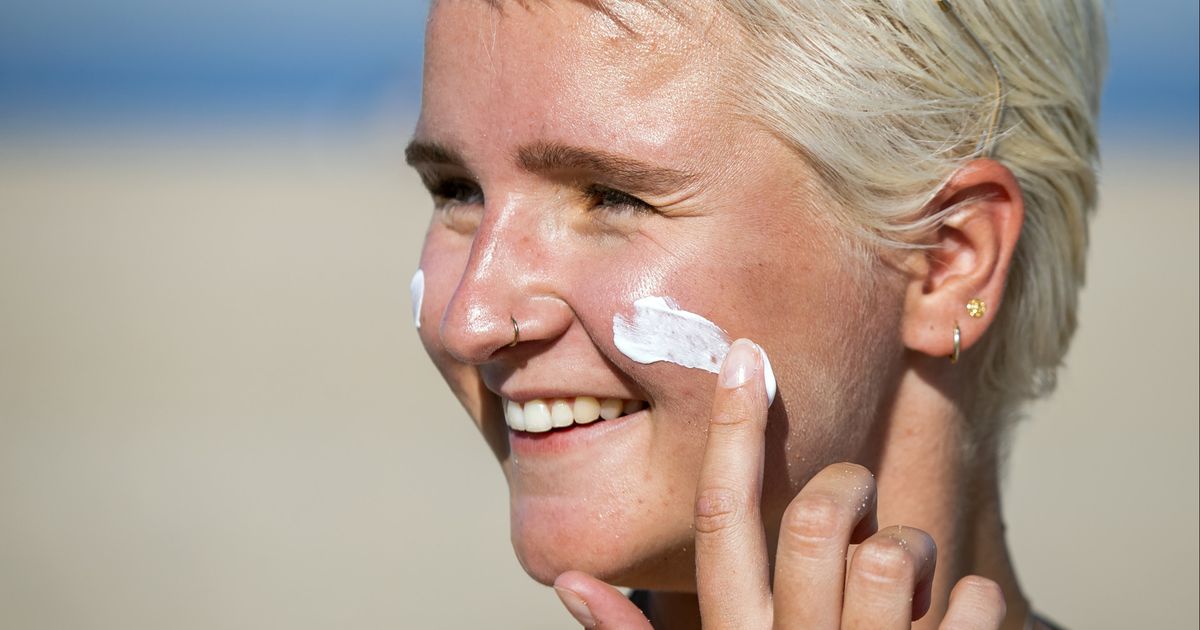
Health officials in the Netherlands report a growing trend of young people avoiding sunscreen due to rising costs, despite warnings of irreversible skin damage. According to a survey conducted by Omroep West, 20% of respondents planning to tan this summer opted not to use sunscreen, with financial barriers cited as the primary reason.
The study highlights a significant price disparity between the Netherlands and neighboring Germany, where a standard sunscreen product costs 8.99 euros compared to 26.50 euros domestically. This gap has sparked debate among public health experts about the long-term consequences of reduced sun protection, particularly among adolescents whose skin remains vulnerable to UV damage.
Rising Concern Over Sunscreen Underuse
Medical professionals emphasize that skipping sunscreen increases the risk of melanoma and premature aging, with effects that are “irreversible” according to Dr. Liesbeth van den Berg, a dermatologist at the University of Utrecht. “The financial burden should not outweigh the health risks,” she stated in an interview. “Sunscreen is a critical preventive measure, not a discretionary expense.”
Public health authorities note that young people aged 15 to 24 are disproportionately affected by this trend. A separate analysis by AD.nl found that cost concerns were the leading factor in sunscreen avoidance, with some individuals reporting they “prefer to spend money on other priorities.”
Cost Disparity Sparks Public Health Debate
The price difference between Dutch and German markets has drawn scrutiny from consumer advocates. “This discrepancy raises questions about market regulation and access to essential health products,” said Martijn Jansen, a health economist at Erasmus University. “Consumers should not face arbitrary price hikes for items that protect their well-being.”

Health officials recommend using at least SPF 30 sunscreen and reapplying every two hours, but affordability remains a barrier. A 2023 report by the Dutch Health Authority found that 12% of households with children under 18 struggled to afford recommended sun protection products, a figure that has risen by 4% since 2020.
What Experts Recommend
Despite the financial challenges, health agencies urge alternative solutions. The National Institute for Public Health and the Environment (RIVM) suggests using clothing, hats, and shade as supplementary protections. “Sunscreen is not the only defense, but it is a vital one,” said RIVM spokesperson Anke de Vries. “We are exploring subsidies for low-income families to ensure access.”

Some municipalities have begun pilot programs offering free sunscreen at public beaches. However, these initiatives remain limited in scope, with only 15% of coastal regions participating as of June 2024.
Limitations and Unanswered Questions
The data on sunscreen underuse comes from self-reported surveys, which may lack precision. Researchers acknowledge that behavioral studies often face challenges in accurately measuring real-world practices. Additionally, the long-term impact of reduced sunscreen use on cancer rates remains uncertain without longitudinal tracking.
Health officials stress that while cost is a factor, education about sun safety is equally critical. “We need to address both accessibility and awareness,” said Dr. van den Berg. “Prevention starts with understanding the risks.”
As summer approaches, public health campaigns are expanding to highlight affordable sun protection options. However, the debate over pricing and access continues to challenge efforts to curb rising UV-related health issues.
