
Lionel Messi, Kylian Mbappé, and Erling Haaland head the list of top goal scorers for the 2026 FIFA World Cup qualifiers, according to reports from multiple French sports outlets. The trio, alongside Vinicius Jr. and Cristiano Ronaldo, has drawn attention for their consistent performances in qualifying matches and club competitions.
The 2026 World Cup, set to be hosted by the United States, Canada, and Mexico, has already seen early momentum from established stars. Messi, who has scored 86 international goals, remains a key figure for Argentina, while Mbappé, with 32 goals for France, is viewed as a central threat. Haaland, the Bundesliga’s leading scorer with 111 goals in 144 games, has also been highlighted as a potential title contender.
Record Context and Competitive Landscape
Just Fontaine’s single-tournament record of 13 goals in the 1958 World Cup remains unchallenged, with analysts noting that even Mbappé’s 13 goals in the 2022 World Cup would not surpass it. “13 goals is enormous,” said a source close to the French Football Federation, emphasizing the difficulty of breaking the record. However, the 2026 tournament’s expanded format—32 teams, with more matches per squad—could create new opportunities for high-scoring campaigns.
Ronaldo, at 38, continues to defy age, scoring 12 goals in qualifying matches for Portugal. His presence alongside younger stars like Vinicius Jr., who has 15 goals in 2023, underscores the generational shift in global football. Vinicius, 23, has been praised for his pace and finishing, with one analyst calling him “a future World Cup winner.”
Impact on Qualifying Campaigns
The race for World Cup qualification has intensified, with teams across all continents vying for spots. In Europe, Germany’s struggles have raised questions about their ability to repeat their 2014 success, while Brazil’s attacking trio of Neymar, Richarlison, and Vinicius has been a focal point. In South America, Argentina’s dominance under Messi has been tempered by the emergence of young talents like Julián Álvarez.
For the 2026 tournament, the expanded 48-team format—announced in 2023—will see more nations compete, increasing the number of matches per team. This change has prompted discussions about the physical demands on players, with some coaches advocating for stricter rest protocols.
What’s Next
Qualifying matches will continue through 2025, with the final draw for the 2026 World Cup scheduled for 2024. Teams like Brazil, France, and Argentina are expected to be among the favorites, though underdogs such as Morocco and Croatia have shown resilience in recent tournaments. The final standings will determine the 48 participating nations, with the host nations automatically qualified.
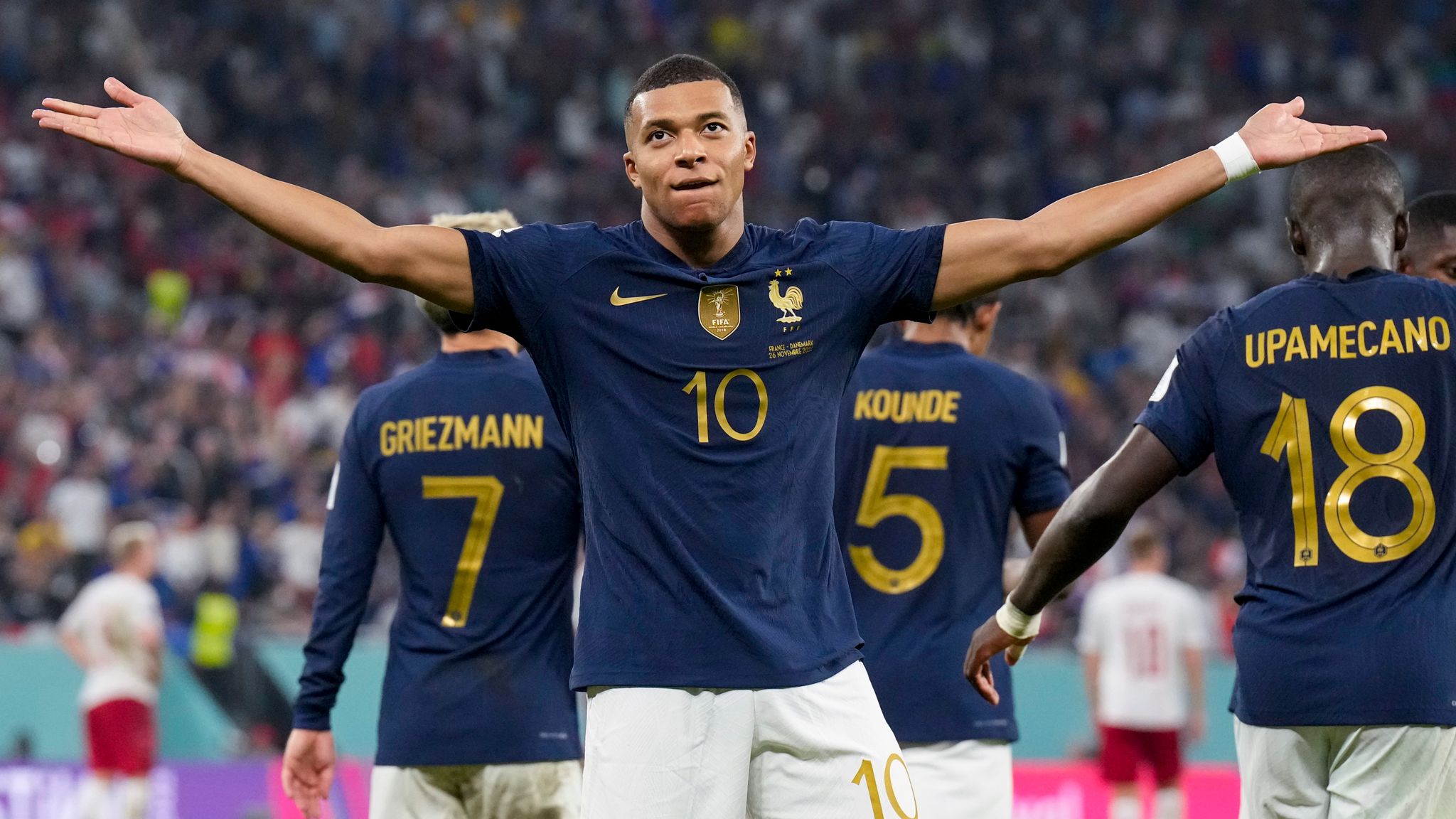
As the countdown to 2026 begins, the focus remains on how stars like Messi and Mbappé will perform in the qualifying stages. Their ability to maintain form over the next two years could define the narrative of the tournament.
Official highlights of the 2022 World Cup, including Mbappé’s historic final, were shared in the clip below:
