
Live updates: Vance and Iranian state media issue conflicting statements over UN nuclear inspector access – CNN
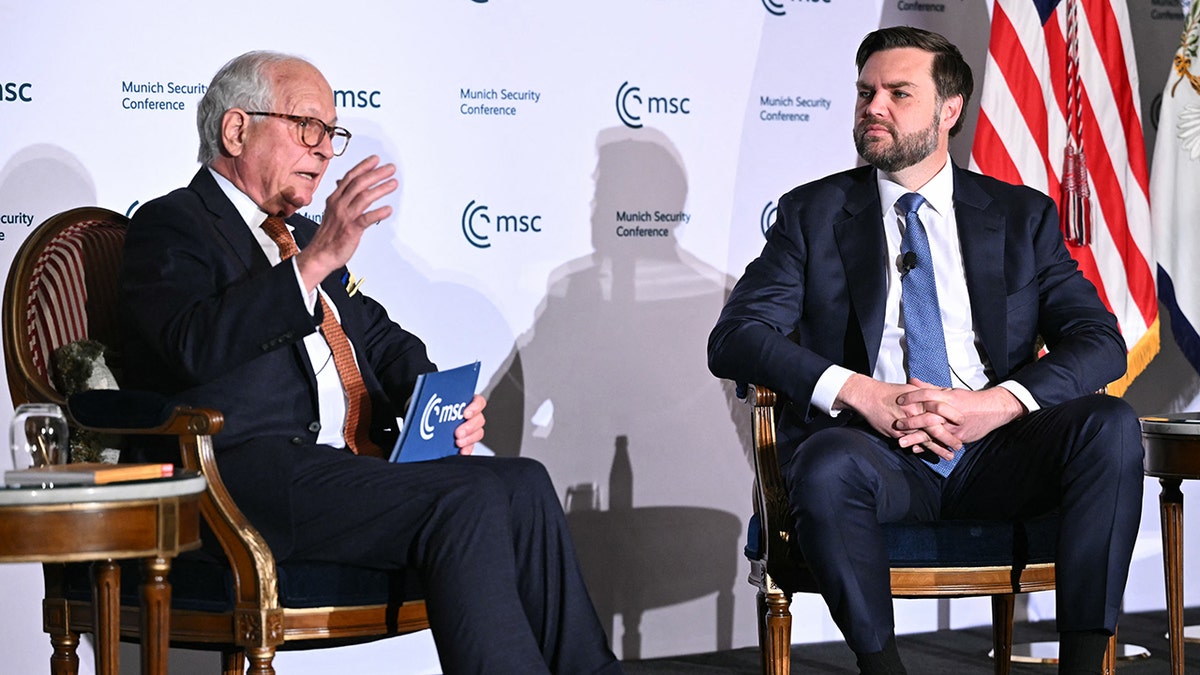
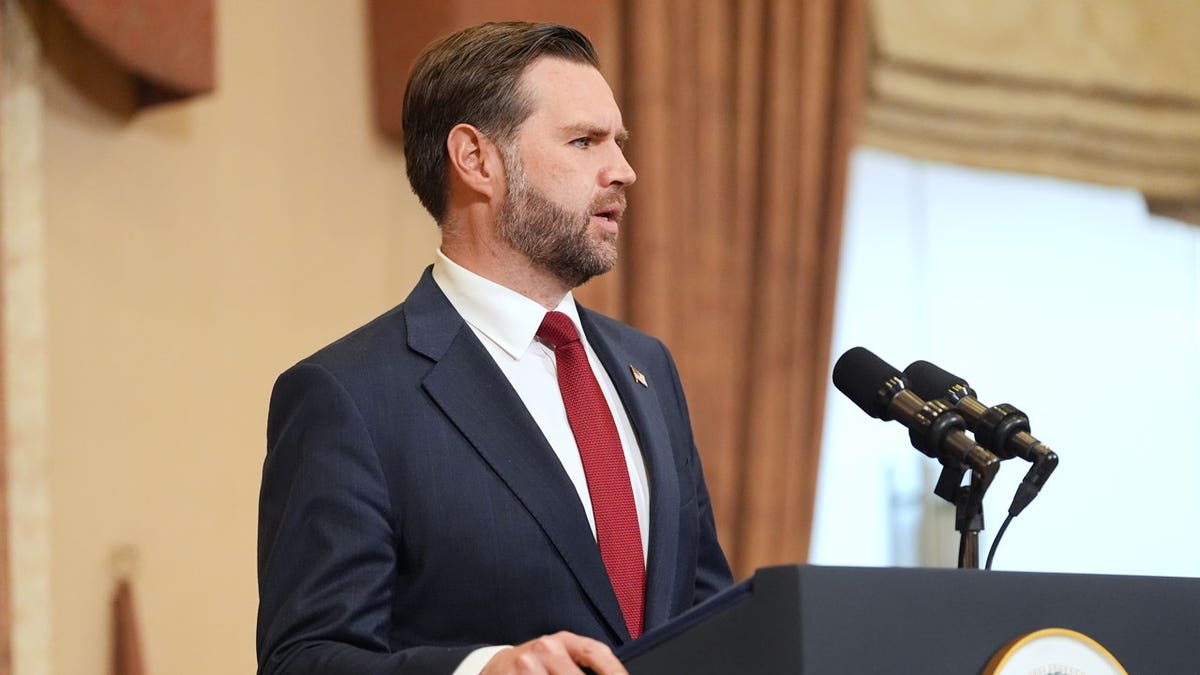
JD Vance and Iranian state media have issued contradictory claims regarding the level of access granted to United Nations nuclear inspectors at Iranian facilities, according to recent reports. While Vance suggests restrictions persist, Iranian state media maintains the country is cooperating with the International Atomic Energy Agency (IAEA). This dispute centers on whether Iran is adhering to international transparency standards.
The disagreement highlights a deepening diplomatic rift between the United States and the Islamic Republic of Iran. At the core of the conflict is the role of the IAEA, the UN’s nuclear watchdog, which is tasked with verifying that Iran’s nuclear program remains peaceful. The conflicting narratives regarding inspector access serve as a proxy for a larger geopolitical struggle over sanctions, sovereignty, and regional security in the Middle East.
What is the conflict between JD Vance and Iranian state media?
The current dispute involves a direct contradiction in reporting and public statements regarding the physical access UN inspectors have to nuclear sites within Iran. According to statements attributed to JD Vance, the Iranian government continues to obstruct the IAEA’s ability to monitor sensitive sites, suggesting that the lack of transparency increases the risk of clandestine nuclear weapon development.
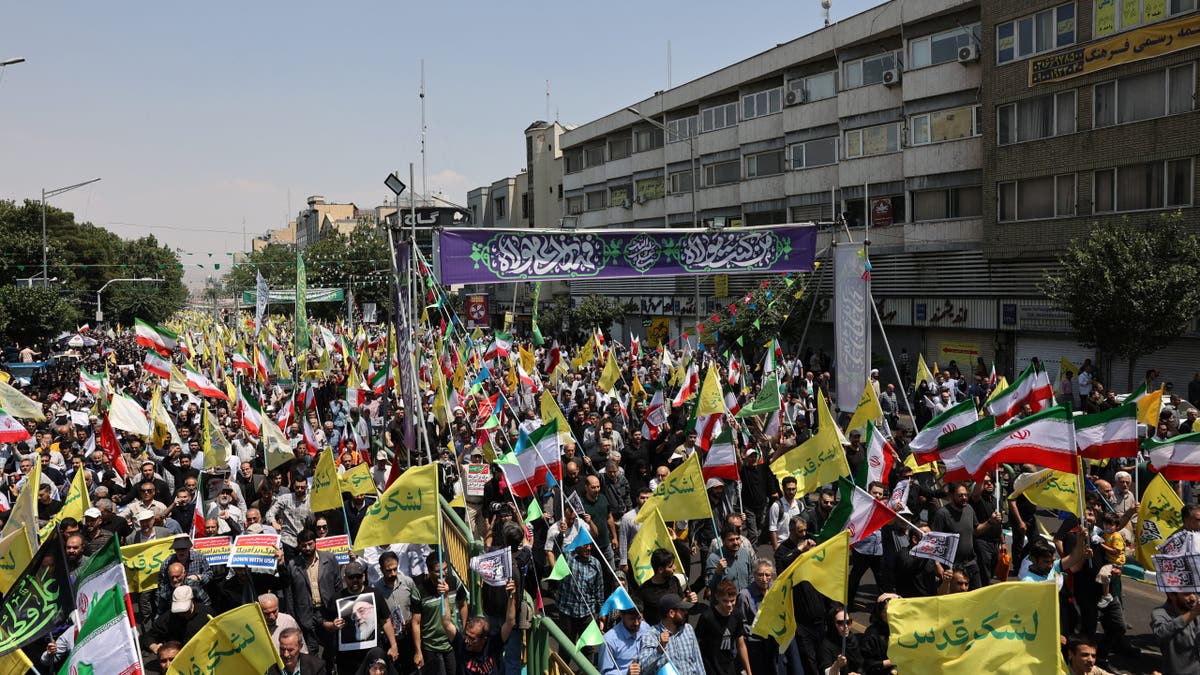
Conversely, Iranian state media has characterized these claims as fabrications. Official reports from Tehran assert that Iran has fulfilled its obligations and that any delays in inspector access are the result of bureaucratic hurdles or “unreasonable” demands from the West, rather than a systemic effort to hide nuclear activity. These conflicting accounts create a vacuum of verified information, leaving the international community to rely on the periodic, often guarded, reports issued by the IAEA Director General.
Key points of the disagreement include:
- Verification of Material: Vance points to gaps in the IAEA’s knowledge regarding uranium traces at undeclared sites.
- Visa Issues: Iran claims the US has pressured the IAEA to replace experienced inspectors with those who have political biases.
- Site Access: Disagreement over whether “complementary access” (the ability to visit sites on short notice) is being granted in full.
How do UN nuclear inspections actually work?
To understand why the statements from Vance and Iranian state media are so contentious, it is necessary to understand the mechanism of IAEA inspections. The IAEA does not operate as a police force but as a verification body. Its primary tool is the “Safeguards Agreement,” a legal contract between the agency and a member state.
Under these agreements, inspectors use several methods to ensure nuclear material is not diverted for weapons:
- Containment and Surveillance: The installation of cameras and seals on nuclear material containers to ensure they are not moved or opened without notice.
- Environmental Sampling: Taking swabs from walls, floors, and equipment to detect microscopic particles of enriched uranium that might indicate undeclared activity.
- Inventory Verification: Physically counting fuel rods and measuring the enrichment levels of uranium gas.
The most contentious part of this process is “complementary access.” This allows inspectors to visit sites not previously declared as nuclear facilities if the IAEA has “credible information” that nuclear material may be present. According to diplomatic records, this is where the most friction occurs between Tehran and Washington, as Iran often views such requests as espionage under the guise of inspection.
Timeline of US-Iran nuclear friction
The current conflict is not an isolated event but the result of a decade of failed agreements and escalating tensions. The following timeline outlines the milestones that led to the current impasse over inspector access.
| Year | Event | Impact on Inspections |
|---|---|---|
| 2015 | JCPOA Signed | Iran granted the IAEA unprecedented access to its nuclear supply chain. |
| 2018 | US Withdrawal | The Trump administration exited the deal, leading Iran to gradually reduce its compliance. |
| 2019-2021 | Incremental Breach | Iran began enriching uranium beyond the 3.67% limit and restricted some camera surveillance. |
| 2022-2023 | Inspector Expulsions | Tehran revoked the credentials of several IAEA inspectors, citing political bias. |
| Present | Conflicting Rhetoric | Public disputes between US officials like Vance and Iranian state media over current access levels. |
Comparing the conflicting claims
The narratives provided by JD Vance and Iranian state media represent two fundamentally different interpretations of “cooperation.” When Vance speaks of “obstruction,” he is referring to the IAEA’s inability to resolve “outstanding questions” about uranium traces found at sites like Turquzabad. When Iranian state media speaks of “compliance,” they are referring to the fact that inspectors are still physically present in the country, even if their access is limited.
“The gap between what Iran claims to allow and what the IAEA is actually permitted to verify is where the danger lies,” according to analysis of US diplomatic positions.
The contrast in framing is evident in how each party views the IAEA. The US perspective, echoed by Vance, frames the IAEA as a neutral arbiter being blocked by a rogue actor. The Iranian state media frames the IAEA as a tool of US foreign policy, suggesting that the agency’s reports are influenced by Washington to justify further sanctions.
Comparison of Narratives
- US View (Vance): Lack of access = Proof of concealment.
- Iran View (State Media): Limited access = Response to illegal US sanctions.
- IAEA Position: A middle ground that acknowledges some cooperation but warns of “serious” gaps in verification.
Why access to Iranian nuclear sites matters globally
The dispute over “Live updates: Vance and Iranian state media issue conflicting statements over UN nuclear inspector access – CNN” is not merely a diplomatic spat; it has concrete implications for global security. The primary concern is the “breakout time”—the amount of time it would take for Iran to produce enough weapons-grade uranium for a single nuclear warhead.
Without full inspector access, the international community cannot accurately calculate this breakout time. If inspectors cannot verify the amount of uranium being enriched at facilities like Natanz or Fordow, the global intelligence community must assume the worst-case scenario. This uncertainty often leads to “security dilemmas,” where neighboring countries—specifically Saudi Arabia and Israel—may feel pressured to develop their own nuclear capabilities to maintain a balance of power.
Furthermore, the precedent set here affects the Non-Proliferation Treaty (NPT). If a signatory state can successfully restrict UN inspectors while remaining in the treaty, it may encourage other nations to adopt similar tactics, effectively rendering the NPT toothless.
For more context on how these treaties function, see a related explainer on the Non-Proliferation Treaty.
Potential consequences of the current standoff
The conflicting statements between Vance and Iranian state media suggest a period of heightened volatility. There are three primary trajectories this standoff could take:
1. The “Snapback” of Sanctions
If the IAEA issues a report confirming that Iran is systematically blocking access, the UN Security Council could trigger a “snapback” mechanism. This would reimpose all previous UN sanctions on Iran that were lifted under the 2015 deal. Such a move would likely lead to a further collapse in diplomatic relations and could prompt Iran to expel all remaining inspectors.
2. A New Negotiated Framework
Despite the rhetoric, both parties may be signaling their “bottom lines” for a future deal. By publicly disagreeing over inspector access, Vance may be setting the stage for a “maximum pressure” approach, while Iranian state media may be attempting to force the US to offer sanctions relief before granting more access.
3. Kinetic Escalation
In the most severe scenario, the lack of transparency could lead to preemptive military action. If intelligence agencies conclude that the lack of inspector access is covering for a final push toward a weapon, the risk of airstrikes on nuclear facilities increases. This would likely trigger a wider regional conflict involving Iranian-backed proxies.
Common misconceptions about UN inspections
Public discourse often simplifies the nuclear inspection process, leading to several common misunderstandings:
Misconception: Inspectors have “open door” access to every building in Iran.
In reality, access is negotiated. Even under the most stringent agreements, certain military sites are off-limits unless specific criteria are met. The conflict between Vance and Iranian state media is often about the definition of these criteria, not whether the doors are literally open or closed.
Misconception: The IAEA can force its way into a site.
The IAEA has no sovereign power. It cannot send in armed guards to seize a facility. It relies entirely on the cooperation of the host state. If Iran denies access, the IAEA’s only recourse is to report the non-compliance to the UN Security Council.
Misconception: Any amount of uranium enrichment is a sign of a bomb.
Uranium enrichment is used for medical isotopes and energy production. The issue is the level of enrichment. Low-enriched uranium (LEU) is for power; highly enriched uranium (HEU) is for weapons. The dispute over access is specifically about verifying that Iran isn’t secretly pushing LEU into the HEU range.
Frequently Asked Questions
What is the main cause of the disagreement between JD Vance and Iranian state media?
The disagreement stems from conflicting reports on whether Iran is allowing UN nuclear inspectors (IAEA) full access to its nuclear facilities. Vance suggests Iran is obstructing these inspectors, while Iranian state media claims the country is cooperating fully.
Who are the UN nuclear inspectors?
The inspectors are employees of the International Atomic Energy Agency (IAEA), an autonomous international organization that reports to the UN. Their job is to verify that nuclear programs are used for peaceful purposes and not for weapons development.
Why does the US care if Iran allows inspectors in?
The US seeks to prevent Iran from developing nuclear weapons, which would destabilize the Middle East and potentially trigger a nuclear arms race among neighboring countries. Inspections are the only way to verify that Iran is not secretly enriching uranium to weapons-grade levels.
What happens if the IAEA cannot access a site?
If the IAEA is denied access, it cannot certify that a site is “clean.” This leads to a “lack of confidence” in the IAEA’s reports, which can be used by the UN Security Council to justify economic sanctions or other diplomatic penalties.
Is the JCPOA (Nuclear Deal) still in effect?
The JCPOA is currently in a state of collapse. While it was never formally terminated by all parties, the US withdrew in 2018, and Iran subsequently stopped adhering to many of its limits on enrichment and inspection access.
The ongoing tension regarding inspector access remains a critical barometer for the possibility of any future diplomatic resolution. As long as the narratives from Washington and Tehran remain diametrically opposed, the likelihood of a verified, peaceful nuclear program in Iran remains a subject of intense international debate. Observers will be watching the next official IAEA quarterly report for the factual data needed to resolve these conflicting claims.
