
Bird Flu Biosecurity to Face Test Poultry Farmers Knew Was Coming: H5N1 Threat Hits Western Australia
High-pathogenicity avian influenza (H5N1) has triggered lockdowns at poultry farms in Western Australia after a second wild bird died from the virus, according to reports from The Guardian and the Australian Broadcasting Corporation. This development marks a critical test of biosecurity protocols that poultry producers have long anticipated as the virus spreads globally.
What triggered the poultry farm lockdowns in Western Australia?
The current state of alert in Western Australia follows the confirmation of H5N1 bird flu in wild bird populations. According to The Guardian, the death of a second wild bird from the virus led to the immediate lockdown of poultry farms in the affected regions. These lockdowns are designed to prevent the virus from jumping from wild avian species to domestic flocks.
Biosecurity officials have implemented strict movement controls. These measures typically include restricting the entry and exit of personnel, disinfecting vehicles, and ensuring that domestic birds have no contact with wild birds or their droppings. The Australian Broadcasting Corporation reports that farmers are now in a period of nervous anticipation as investigations into the spread of the virus expand.
The primary goal of these lockdowns is containment. If H5N1 enters a commercial poultry facility, the result is often the rapid death of thousands of birds, necessitating mass culls to stop further transmission. This scenario is exactly what industry stakeholders have spent years preparing for, though the actual arrival of the virus creates a high-pressure environment for producers.
Why is H5N1 considered a “test” for poultry biosecurity?
Poultry farmers have operated under the assumption that H5N1 would eventually reach Australian shores. The Australian Broadcasting Corporation notes that this is a test poultry farmers knew was coming, meaning the industry has already invested in infrastructure and training to mitigate the risk. However, there is a significant difference between theoretical preparation and the operational reality of a live outbreak.
Biosecurity in this context refers to a set of preventative measures used to stop the introduction and spread of pests and diseases. For poultry farms, this includes:
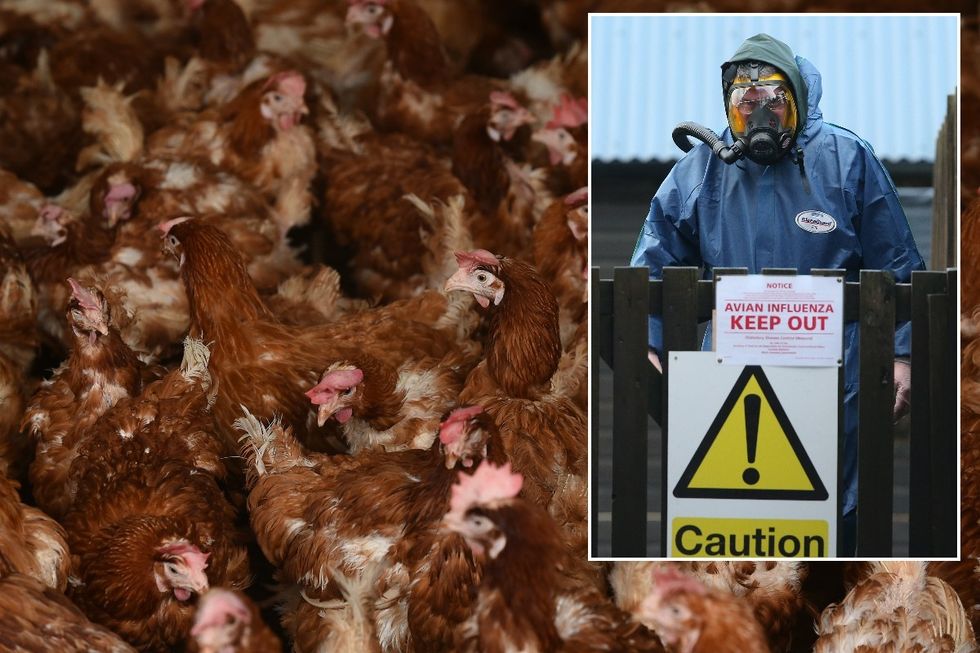
- Physical Barriers: Netting and enclosed housing to keep wild birds out of poultry sheds.
- Sanitation Stations: Foot baths and vehicle spray-downs to kill pathogens on shoes and tires.
- Access Control: Limiting the number of visitors and requiring “clean” clothing for anyone entering bird areas.
- Surveillance: Constant monitoring of flock health and reporting sudden deaths to authorities.
The “test” lies in whether these measures can withstand the pressure of a virus that is highly contagious and often carried by migratory birds that move across vast distances. If a single breach occurs—such as a gap in a fence or a contaminated boot—the biosecurity chain breaks, potentially leading to the loss of an entire farm’s assets.
The tension currently felt by farmers stems from the fact that while they have the tools to fight the virus, the virus is carried by wild animals that cannot be controlled or fenced out of the broader environment.
What are the risks to Western Australian wildlife beyond poultry?
While the economic focus remains on the poultry industry, the ecological stakes are equally high. WAtoday reports that the threat of H5N1 extends far beyond domestic birds, posing what some describe as an “extinction risk” for certain wildlife species in Western Australia.
The virus does not discriminate between commercial chickens and native wild birds. Because many native species have no prior immunity to this specific strain of H5N1, the mortality rate can be devastating. This creates a cascading effect through the ecosystem:
- Loss of Biodiversity: Rare or endangered bird species could see their populations collapse if a localized outbreak occurs.
- Cross-Species Transmission: There is a risk that the virus could jump to other mammals or wildlife, further complicating the biological landscape.
- Ecological Imbalance: The loss of insect-eating or seed-dispersing birds can disrupt the natural balance of the WA environment.
According to WAtoday, the vulnerability of WA’s unique wildlife makes the current situation more than just a farming crisis; it is a conservation emergency. The ability of the virus to persist in the environment means that even if poultry farms remain secure, the natural landscape could suffer permanent losses.
How does H5N1 spread and what are the signs of infection?
H5N1 is a highly pathogenic avian influenza (HPAI) virus. It primarily spreads through direct contact with infected birds or through contaminated environments. According to biosecurity data and reports from The Guardian, the virus is most commonly transmitted via:
- Secretions: Saliva, nasal mucus, and feces from infected birds.
- Contaminated Water: Wild birds landing in ponds or troughs used by domestic poultry.
- Fomites: Inanimate objects like clothing, equipment, or vehicle tires that carry the virus from one location to another.
In domestic poultry, the onset of H5N1 is often sudden and severe. Farmers and officials look for specific red flags that indicate an outbreak:
| Symptom | Description | Severity |
|---|---|---|
| Sudden Death | High numbers of birds dying without prior symptoms. | Critical |
| Respiratory Distress | Gasping for air, coughing, or nasal discharge. | High |
| Physical Swelling | Edema (swelling) of the head, comb, or wattles. | High |
| Neurological Signs | Loss of coordination, tremors, or twisted necks. | Critical |
| Drop in Production | Significant decrease in egg laying or growth rates. | Moderate to High |
What are the potential economic and food security implications?
The fear of “mass deaths” is not limited to animal welfare; it is a significant economic concern. News.com.au highlights the potential for widespread losses that could ripple through the food supply chain. If H5N1 becomes endemic in Australian poultry, the consequences would be felt by both producers and consumers.

Impact on Producers:
A confirmed case of H5N1 usually requires the immediate culling of all birds on the affected property to prevent the virus from spreading to neighboring farms. This results in the total loss of livestock and a significant period of downtime before the farm can be sanitized and restocked.
Impact on Consumers:
Mass culls lead to a decrease in the supply of eggs and poultry meat. According to economic principles of supply and demand, a sharp drop in supply typically leads to price spikes at the supermarket. This could make basic protein sources less affordable for the general public.
Trade Implications:
Australia’s status as a clean, biosecurity-safe exporter of agricultural products is a major economic asset. An uncontrolled outbreak of bird flu could lead to international trading partners banning Australian poultry exports, costing the economy millions of dollars in lost revenue.
For more information on how agricultural threats impact markets, see a related explainer on food security and biosecurity.
Comparing the impact: Domestic Poultry vs. Wild Wildlife
The crisis is being framed differently depending on the stakeholder. While the poultry industry focuses on biosecurity and economic survival, conservationists focus on biodiversity and extinction. The following comparison illustrates these differing perspectives based on reporting from the ABC, The Guardian, and WAtoday.
| Feature | Domestic Poultry Impact | Wild Wildlife Impact |
|---|---|---|
| Primary Risk | Economic loss and supply chain disruption. | Species extinction and ecosystem collapse. |
| Control Method | Lockdowns, culling, and strict biosecurity. | Minimal; relies on natural immunity/survival. |
| Detection | Easier due to constant farmer monitoring. | Difficult; relies on finding dead birds in the wild. |
| Recovery | Restocking and financial insurance/aid. | Slow; depends on breeding and population regrowth. |
| Main Goal | Protecting the food supply and industry. | Preserving biodiversity and native species. |
Common misconceptions about bird flu
As news of H5N1 spreads, several misconceptions often emerge. It is important to distinguish between the risks to birds and the risks to humans.
Misconception 1: Bird flu is an immediate pandemic threat to humans.
While H5N1 can infect humans, it does not currently spread easily from person to person. Most human cases occur after prolonged, direct contact with infected birds. Health officials monitor the virus for mutations, but the primary crisis right now is avian and economic, not a human health emergency.
Misconception 2: Eating cooked poultry is dangerous.
According to health standards, the virus is killed by heat. Properly cooked poultry and eggs do not pose a risk of transmitting H5N1 to humans. The danger lies in the handling of raw, infected carcasses or secretions.
Misconception 3: Lockdowns are “overreactions.”
Some may view the lockdown of farms after a wild bird death as extreme. However, the speed at which H5N1 kills domestic flocks means that waiting for a domestic bird to show symptoms is often too late. Preventative lockdowns are the only way to avoid the need for mass culling.
What to watch for in the coming weeks
The situation in Western Australia remains fluid. The expansion of the investigation mentioned by the Australian Broadcasting Corporation suggests that authorities are looking for a wider footprint of the virus. Key indicators to monitor include:
- Further Wild Bird Deaths: An increase in the number of dead wild birds across different regions will indicate the geographic spread of the virus.
- Domestic Outbreaks: The first confirmed case in a commercial flock would trigger a massive shift in the scale of the response and potentially impact food prices.
- Government Policy Shifts: Changes in subsidies for biosecurity upgrades or new mandates for poultry movement could signal a higher perceived risk level.
- Wildlife Surveys: Reports from conservationists on the health of native bird populations will reveal the true extent of the “extinction risk” cited by WAtoday.
For those interested in the broader context of animal diseases, a related explainer on zoonotic diseases provides a deep dive into how viruses jump from animals to humans.
Frequently Asked Questions
Is bird flu currently affecting the price of eggs and chicken in Australia?
While there have been no widespread reports of price spikes solely due to H5N1 in Australia yet, News.com.au notes that the fear of mass deaths creates a risk of future supply shortages. Prices typically rise only after significant culls occur or trade restrictions are implemented.
Can I get H5N1 from my pet bird?
It is possible if your pet bird has had contact with infected wild birds or contaminated environments. Pet owners are advised to keep birds indoors and avoid letting them interact with wild avian populations during an outbreak.
What should I do if I find a dead bird in Western Australia?
Authorities advise against touching dead birds. You should report the sighting to the relevant state agricultural or environmental department immediately so that professionals can test the carcass for H5N1.
Why are poultry farms being locked down if the virus is only in wild birds?
H5N1 is highly contagious. A single wild bird landing in a poultry yard or a person walking through infected wild bird droppings and then entering a shed can introduce the virus to thousands of birds. Lockdowns are a preventative measure to stop this transmission before it happens.
Does “extinction risk” mean all birds in WA will die?
No. It refers specifically to vulnerable or endangered species with small populations. For these species, the loss of even a few dozen individuals to H5N1 could push them toward extinction, as reported by WAtoday.
