UN Security Council Emergency Session on Ukraine: Latest on Kyiv-Pechersk Lavra Strike and Humanitarian Crisis
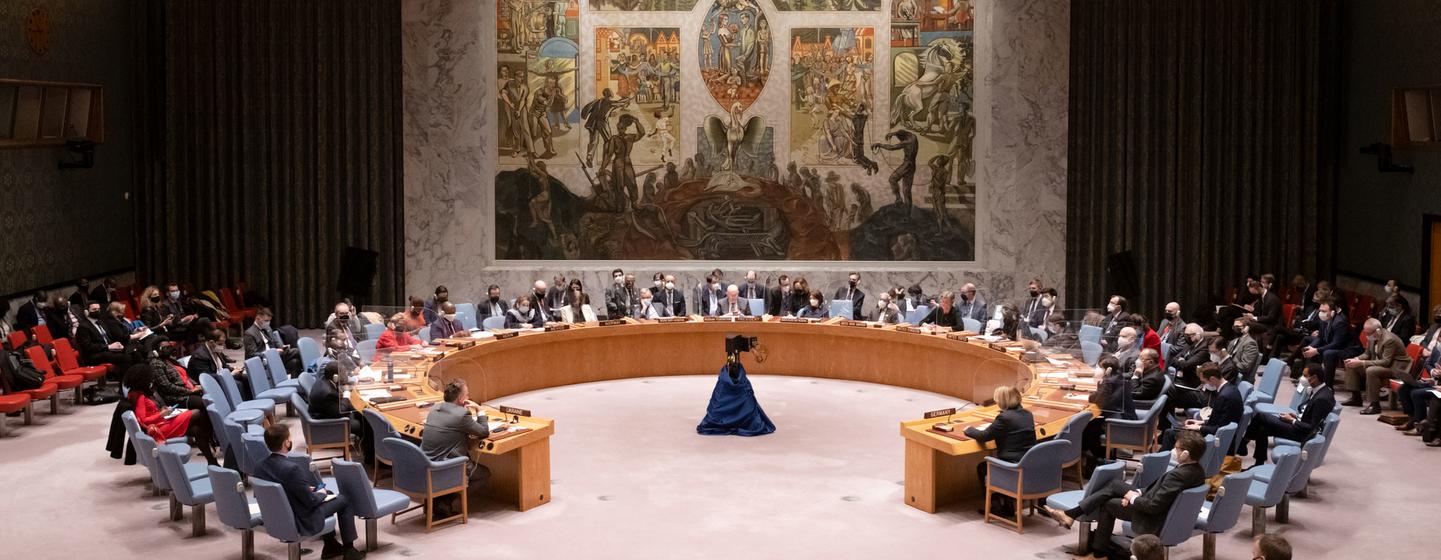
The United Nations Security Council will hold an emergency session on June 22 to address the escalating humanitarian crisis in Ukraine, including the recent devastating strike on Kyiv-Pechersk Lavra, a UNESCO World Heritage site and one of the country’s most significant religious landmarks. The meeting follows a series of targeted attacks that have intensified concerns over civilian protection and the maintenance of international peace and security.
With over 15,000 Ukrainian civilians killed and millions displaced since Russia’s full-scale invasion in February 2022, the Council faces mounting pressure to respond to what aid agencies describe as a worsening catastrophe. Meanwhile, diplomatic tensions remain high as Russia continues to block meaningful action through its veto power, leaving the UN’s ability to enforce resolutions on Ukraine severely limited.
This article provides a comprehensive breakdown of the latest developments, the humanitarian toll, and what the Security Council session could achieve—or fail to achieve—amid deep divisions among member states.
—
What Triggered the UN Security Council Emergency Session?
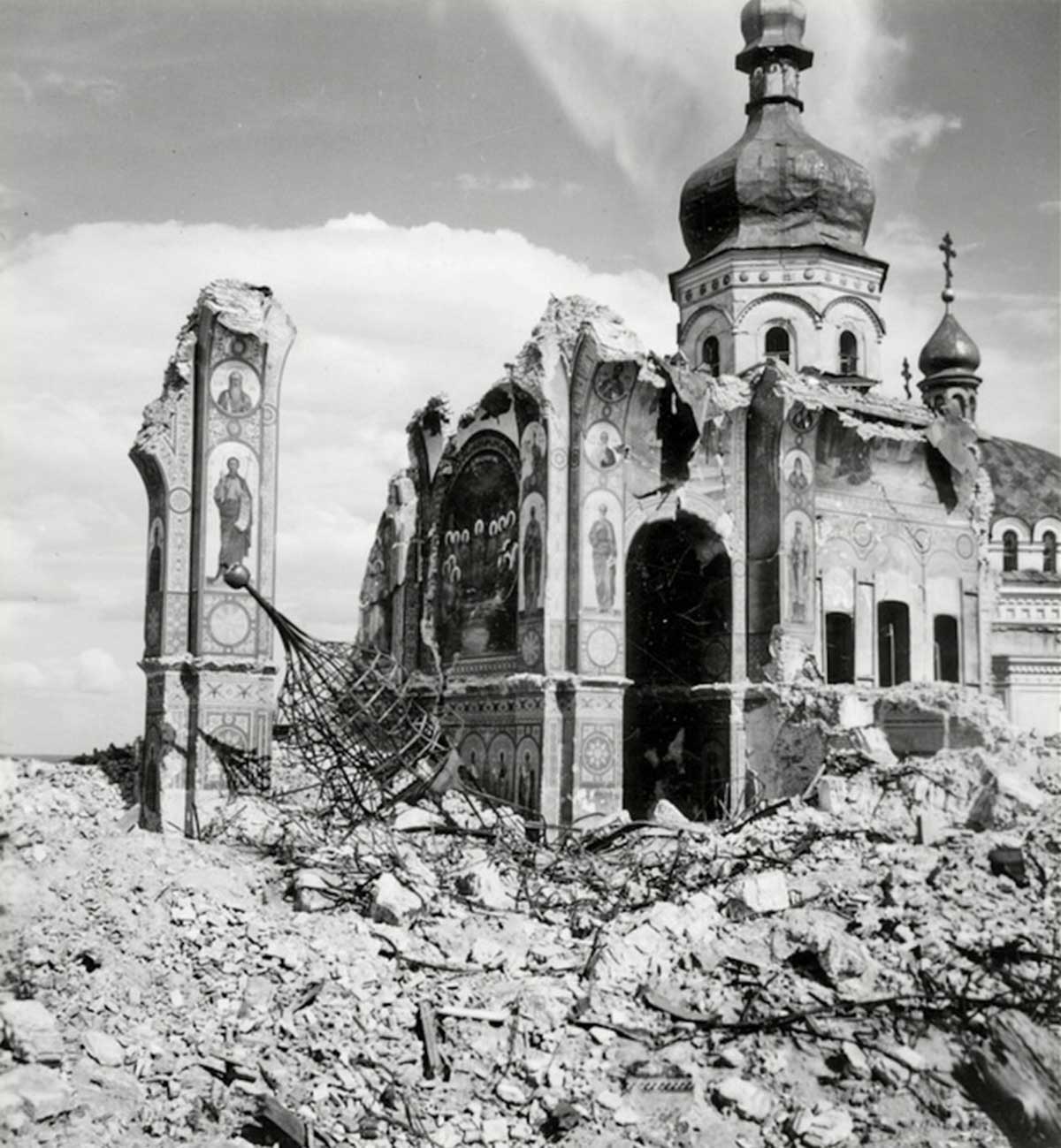
The Council convened after a Russian missile strike on June 15 destroyed a key dam supplying water to Kyiv-Pechersk Lavra, a 1,000-year-old monastery complex housing the relics of St. Volodymyr the Great. Ukrainian officials described the attack as a deliberate effort to undermine morale and damage cultural heritage, while Russian authorities denied targeting civilian infrastructure.
According to the Ukrainian Religious Information Service, the strike caused extensive damage to the monastery’s infrastructure, including historic buildings and underground crypts. The attack followed a pattern of strikes on critical energy and water facilities across Ukraine, raising fears of a broader offensive aimed at disrupting civilian life ahead of winter.
Key timeline:
- February 24, 2022: Russia launches full-scale invasion of Ukraine.
- June 2023: Russian forces escalate strikes on Ukrainian energy and water infrastructure.
- June 15, 2024: Missile strike on Kyiv-Pechersk Lavra dam; Ukrainian authorities confirm damage to monastery.
- June 20, 2024: UN Secretary-General António Guterres calls for emergency Security Council session.
- June 22, 2024: Scheduled Council meeting on “Maintenance of peace and security in Ukraine.”
The timing of the session coincides with reports from the UN Office for the Coordination of Humanitarian Affairs (OCHA) that nearly 6 million Ukrainians remain internally displaced, with 12 million in need of life-saving aid. The strike on Kyiv-Pechersk Lavra has further strained humanitarian corridors, as aid workers struggle to access affected areas.
—
Who Is Involved—and What Are Their Positions?
The Security Council session will bring together 15 member states, but divisions over Ukraine are deeper than ever. Russia’s veto power has repeatedly blocked resolutions condemning its actions, leaving the UN’s ability to enforce peacekeeping measures on Ukraine largely symbolic.
Key stakeholders:
- Ukraine: Demands immediate ceasefire, protection of cultural sites, and accountability for war crimes. Ukrainian President Volodymyr Zelenskyy has called for stronger international action, including sanctions on Russian officials involved in attacks on civilian infrastructure.
- Russia: Maintains its narrative of a “special military operation” to “denazify” Ukraine, dismissing claims of targeting civilians or cultural heritage. Moscow has accused Ukraine of using religious sites for military purposes, though no evidence supports this.
- United States and Western Allies: Push for a ceasefire, unfettered humanitarian access, and support for Ukraine’s defense. The U.S. has reiterated its commitment to providing military aid, while the EU has extended sanctions on Russian oil and gas exports.
- China and Global South: Many non-aligned members, including China, India, and Brazil, have called for dialogue but avoided direct criticism of Russia, citing concerns over escalation. China has proposed a “12-point plan” for peace, though Ukraine and Western powers have dismissed it as insufficient.
- Humanitarian Agencies: The UN, Red Cross, and NGOs warn of a “humanitarian catastrophe” if attacks on critical infrastructure continue. OCHA reports that 90% of Ukraine’s population faces energy shortages, with winter preparations already underway.
Despite these divisions, the Council session presents a rare opportunity for member states to publicly address the crisis. However, analysts warn that without a unified stance, the meeting may result in little more than rhetorical condemnations.
—
Why Is the Kyiv-Pechersk Lavra Strike a Turning Point?
The attack on Kyiv-Pechersk Lavra is not just another strike in Ukraine’s two-year war—it marks a deliberate escalation against a site of immense cultural and spiritual significance. The monastery, a UNESCO World Heritage site, has stood for over a millennium and is a symbol of Ukrainian identity. Its destruction has sparked global outrage, with cultural organizations and religious leaders condemning the attack as a war crime.
According to the Ukrainian Religious Information Service, the strike was part of a broader campaign to “break the spirit” of Ukrainians by targeting symbols of resistance. Historically, attacks on cultural heritage have been used as tools of psychological warfare, as seen in conflicts from Syria to Iraq.
Why this matters:
- Cultural Erasure: Kyiv-Pechersk Lavra is one of Ukraine’s most important historical and religious sites. Its destruction could be seen as an attempt to erase Ukrainian heritage, a tactic used in past conflicts to suppress national identity.
- Humanitarian Crisis: The strike on the dam supplying water to the monastery has disrupted aid efforts, making it harder for humanitarian workers to deliver supplies to Kyiv and surrounding regions.
- International Law Violations: Under the Hague Convention, deliberate attacks on cultural property are considered war crimes. The International Criminal Court (ICC) has already opened investigations into Russian actions in Ukraine, and this attack could strengthen cases against Russian officials.
- Diplomatic Pressure: The strike has intensified calls for stronger action from the UN, with some Western nations pushing for a resolution that would impose targeted sanctions on Russian military leaders involved in such attacks.
While the Security Council has condemned similar strikes in the past, this attack may force a reckoning with the limits of its authority. With Russia’s veto power, meaningful resolutions remain unlikely, but the session could still serve as a platform for public pressure on Moscow.
—
What Can the UN Security Council Actually Do?
The Security Council’s ability to act on Ukraine is severely constrained by Russia’s veto, which has been used to block 14 resolutions related to the war since 2022. However, the Council still has tools at its disposal—though their effectiveness depends on political will.
Possible outcomes of the June 22 session:
- Symbolic Condemnation: A non-binding statement denouncing the attack and calling for humanitarian access. This would have no legal force but could signal international disapproval.
- Humanitarian Resolutions: If supported by all 15 members, the Council could approve a resolution calling for unfettered aid delivery, though enforcement would still rely on voluntary compliance.
- Referral to the ICC: While the Council cannot force Russia to cooperate, it could reiterate support for the ICC’s ongoing investigations into war crimes in Ukraine.
- No Action: Given past patterns, Russia could block any meaningful resolution, leaving the session as little more than a forum for rhetorical exchanges.
Historically, the Council has struggled to address conflicts where one of the five permanent members (P5) is directly involved. In Syria, for example, Russia’s veto prevented action despite widespread civilian casualties. Ukraine presents a similar challenge, though Western powers have shown greater willingness to bypass the Council by providing direct military and humanitarian support.
One potential avenue is a referral to the General Assembly, where Russia’s veto does not apply. However, this would require a coordinated push from member states and could take weeks to materialize.
—
What Are the Humanitarian Consequences of the Escalation?
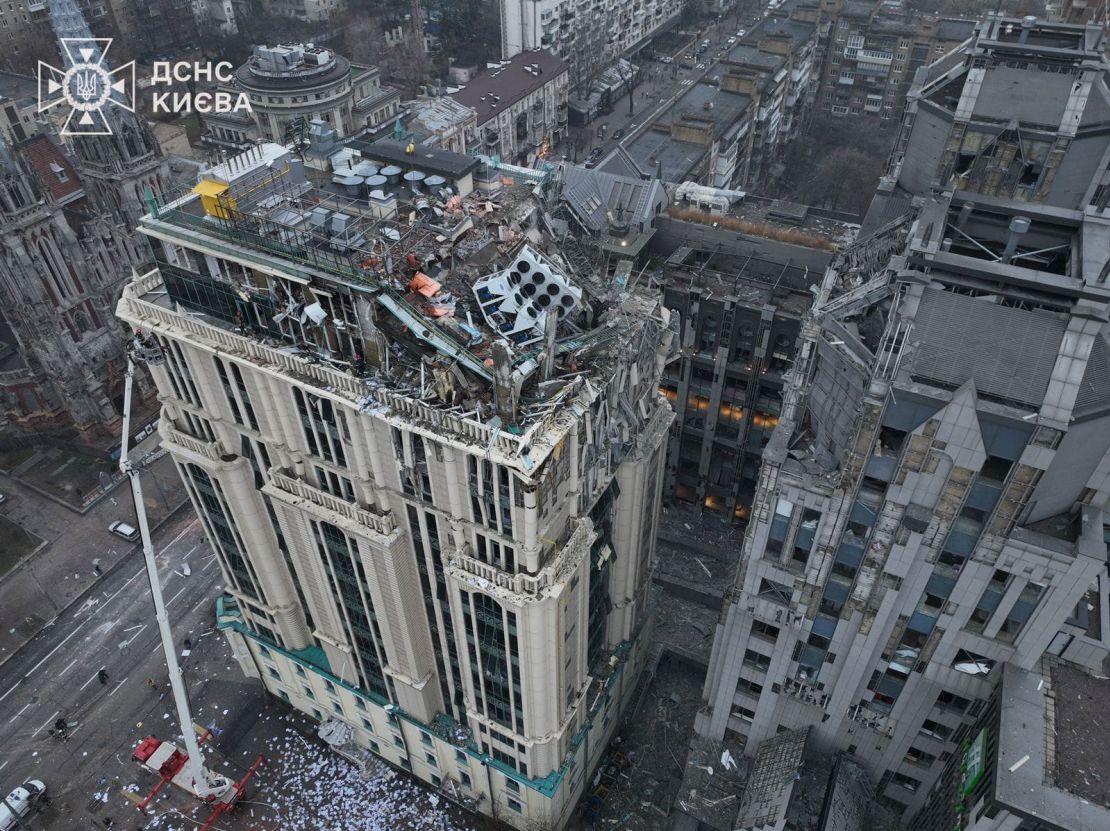
The attack on Kyiv-Pechersk Lavra comes as Ukraine’s humanitarian crisis deepens. According to the UN, over 15,000 civilians have been killed since the war began, with millions more displaced. The latest strikes on energy and water infrastructure have left entire regions without basic services.

Current humanitarian situation:
- Displacement: 6 million Ukrainians are internally displaced, with 12 million in need of aid. The UN estimates that 3.2 million people have fled to neighboring countries.
- Energy Shortages: 90% of Ukraine’s population faces power outages, with winter preparations already underway. The strike on Kyiv-Pechersk Lavra has further disrupted water supply to Kyiv.
- Aid Access: Humanitarian corridors remain under threat, with attacks on aid convoys increasing in recent months. The UN reports that 40% of aid deliveries are delayed due to security risks.
- Healthcare Collapse: Hospitals in frontline regions are overwhelmed, with critical shortages of medicine and medical staff. The World Health Organization (WHO) warns of a “catastrophic” situation if attacks on healthcare facilities continue.
The strike on Kyiv-Pechersk Lavra has also created a new obstacle for aid workers. The monastery’s underground tunnels, used for centuries as a refuge, are now damaged, limiting access for relief efforts. Meanwhile, the psychological toll on Ukrainians cannot be overstated—with cultural sites under attack, many fear a prolonged war of attrition.
Indrika Ratwatte, the UN’s Acting Assistant Secretary-General for Humanitarian Affairs, warned in a recent briefing that the situation is “deteriorating rapidly.” Without immediate action, she said, Ukraine risks becoming “a failed state in the heart of Europe.”
—
How Have Other Countries Reacted?
Reactions to the strike on Kyiv-Pechersk Lavra have been swift and varied, reflecting broader geopolitical divides.
Western Nations:
- United States: The White House condemned the attack as “unjustified and unacceptable,” reaffirming support for Ukraine’s sovereignty. President Joe Biden announced an additional $61 billion in military aid, including advanced air defense systems.
- European Union: The EU extended its sanctions on Russian oil and gas exports, while Germany and France called for an emergency G7 summit to discuss further support for Ukraine.
- United Kingdom: Prime Minister Keir Starmer described the attack as a “clear violation of international law,” pledging to work with allies to hold Russia accountable.
Global South:
- China: While China has not condemned the attack, its foreign ministry called for “restraint” and “dialogue,” echoing its long-standing position on the conflict.
- India and Brazil: Both countries have urged negotiations but avoided direct criticism of Russia, citing concerns over escalation.
- Turkey: As a neutral mediator, Turkey has offered to host peace talks but has not taken a firm stance on the latest attack.
Religious and Cultural Organizations:
- The Vatican condemned the attack as a “crime against humanity,” with Pope Francis calling for an immediate ceasefire.
- UNESCO issued a statement expressing “deep concern” over the damage to Kyiv-Pechersk Lavra, urging all parties to respect cultural heritage.
- Orthodox Churches worldwide, including the Russian Orthodox Church, have remained divided, with some Ukrainian-affiliated bodies condemning the attack while others maintain silence.
While Western nations have united in condemnation, the lack of a unified global response highlights the challenges of addressing the crisis through diplomatic channels.
—
What Happens Next for Ukraine—and the UN?
The Security Council session on June 22 is unlikely to produce concrete action, but it could set the stage for future diplomatic efforts. With winter approaching, the humanitarian situation in Ukraine is expected to worsen, putting further pressure on the UN and its member states.
Key developments to watch:
- Humanitarian Aid Deliveries: The UN and NGOs are racing to secure safe corridors for aid, but attacks on infrastructure could further disrupt efforts.
- ICC Investigations: The International Criminal Court is expected to expand its probes into war crimes, potentially targeting Russian officials involved in strikes on cultural sites.
- Western Military Support: The U.S. and EU are likely to announce further aid packages, though political debates in Congress and European parliaments could delay deliveries.
- Russian Escalation: Analysts warn of possible strikes on additional critical infrastructure, including nuclear facilities, as Moscow seeks to pressure Ukraine ahead of negotiations.
- Diplomatic Initiatives: China’s proposed peace plan may gain traction among non-aligned nations, though Ukraine and Western powers remain skeptical.
For now, the focus remains on the Security Council session. While no resolution is guaranteed, the meeting could serve as a barometer for international support—or the lack thereof—for Ukraine in its darkest hour.
—
Frequently Asked Questions
What is the UN Security Council, and how does it work?
The UN Security Council is the primary body responsible for maintaining international peace and security. It consists of 15 members, including five permanent members (the U.S., Russia, China, France, and the UK) with veto power. Decisions require nine votes, including no veto from the P5. Russia has used its veto to block 14 resolutions on Ukraine since 2022.
Why hasn’t the UN done more to stop the war in Ukraine?
The UN’s ability to act is limited by Russia’s veto power, which has prevented binding resolutions on Ukraine. Additionally, many Global South nations avoid taking sides to prevent retaliation. The UN has instead focused on humanitarian aid and investigations into war crimes, though enforcement remains weak.
Is the attack on Kyiv-Pechersk Lavra a war crime?
Under the Hague Convention, deliberate attacks on cultural heritage are considered war crimes. The International Criminal Court (ICC) has already opened investigations into Russian actions in Ukraine, and this attack could strengthen cases against Russian officials. Ukraine has called for the ICC to expand its probes.
How is Ukraine’s humanitarian crisis being addressed?
The UN and NGOs are providing aid, but access remains limited due to security risks. Over 12 million Ukrainians need assistance, with 6 million displaced. The U.S. and EU have pledged billions in humanitarian and military support, though delays in deliveries persist.
Could the Security Council session lead to sanctions on Russia?
Unlikely. Russia’s veto power makes binding sanctions impossible. However, the session could pressure non-permanent members to support stronger statements or refer the issue to the General Assembly, where Russia cannot block action.
What role does China play in the Ukraine conflict?
China has proposed a “12-point plan” for peace but has avoided direct criticism of Russia. It has called for dialogue but has not condemned Moscow’s actions, reflecting its strategic partnership with Russia. Western powers see China’s stance as enabling Russia’s war efforts.
