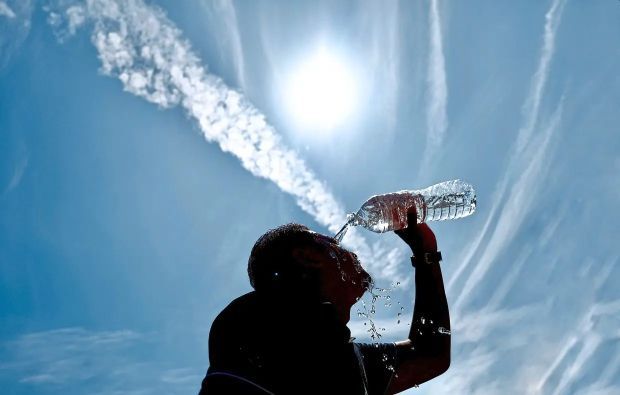
MetMalaysia: El Nino to peak between November and January – The Star: Heat Forecast and National Impact
MetMalaysia reports that the El Niño phenomenon is expected to peak between November and January. According to official forecasts and government statements, this period will likely bring hotter, drier weather to Malaysia, with temperatures potentially reaching 37.5°C, prompting increased preparedness efforts across agricultural and emergency sectors.
When will El Niño peak in Malaysia?
The Malaysian Meteorological Department (MetMalaysia) has identified the window between November and January as the period when the El Niño phenomenon will reach its peak intensity. This forecast, highlighted in reports including those from The Star, indicates a significant shift toward drier-than-normal conditions and elevated temperatures across the peninsula and East Malaysia.
El Niño occurs when sea surface temperatures in the central and eastern tropical Pacific Ocean rise above average. This atmospheric shift disrupts global weather patterns, and for Malaysia, it typically manifests as a reduction in rainfall and a spike in heat. MetMalaysia is currently monitoring these patterns to provide updated warnings to the public and relevant industries.
Key milestones of the current cycle include:
- Monitoring Phase: Identification of rising Pacific sea surface temperatures.
- Peak Window: November through January, where the most severe heat and dryness are expected.
- Response Phase: Activation of heat-wave protocols and agricultural mitigation strategies.
How high will temperatures rise during the peak?
Government officials have warned that the heat could reach extreme levels. According to a minister cited by Free Malaysia Today, temperatures in some parts of the country could hit 37.5°C during the height of the El Niño event. This projection places significant stress on public health, energy grids, and water resources.
While 37.5°C represents a peak forecast, the “real feel” temperature—often referred to as the heat index—can be higher due to Malaysia’s high humidity. This combination increases the risk of heatstroke and dehydration for the general population, particularly those working outdoors.
“Temperatures could hit 37.5°C during El Nino,” warns the minister, emphasizing the need for public vigilance and health precautions.
To manage these risks, MetMalaysia has stepped up its preparations for hot and dry weather, as reported by NST Online. These preparations involve enhanced weather monitoring and the dissemination of early warning systems to ensure that local authorities can deploy resources before temperatures reach critical thresholds.
What are the risks for the agricultural sector and planters?
The agricultural industry, particularly the palm oil sector, faces substantial threats from the projected dry spell. Data from KLSE Screener indicates that planters are at high risk due to the water-intensive nature of oil palm cultivation.
Prolonged dry weather leads to water stress in palms, which can result in a delayed impact on Fresh Fruit Bunch (FFB) yields. Because oil palms require consistent rainfall to maintain productivity, a severe El Niño event can lead to a drop in production that is felt months after the peak of the drought.
Planters are currently evaluating several mitigation strategies to protect their assets:
- Water Management: Improving irrigation systems and maintaining water retention ponds.
- Soil Protection: Increasing the use of organic mulch to prevent soil moisture evaporation.
- Financial Hedging: Preparing for potential revenue dips due to lower crop yields.
The economic ripple effect extends beyond the planters. A decrease in palm oil production can influence global commodity prices and affect the national GDP, given the importance of the sector to the Malaysian economy.
How is MetMalaysia preparing for the hot and dry weather?
MetMalaysia has shifted into a high-readiness state to handle the anticipated weather anomalies. According to NST Online, the department is stepping up preparations specifically tailored to “El Nino-influenced hot, dry weather.”
The agency’s strategy focuses on three primary pillars: data accuracy, communication, and inter-agency cooperation. By utilizing advanced satellite imaging and ground-based weather stations, MetMalaysia aims to provide hyper-local forecasts that allow farmers and city planners to react in real-time.
Current institutional efforts include:
- Increased Frequency of Alerts: Issuing more frequent heat warnings to the public.
- Collaborative Monitoring: Working with water management authorities to monitor reservoir levels.
- Public Education: Providing guidelines on how to cope with extreme heat and reduce water consumption.
These measures are designed to prevent the “shock” effect of sudden temperature spikes, allowing the government to allocate emergency water tankers or health services to the hardest-hit regions.
Why do NGOs argue that emergency response is not enough?
While the government focuses on immediate preparations, some civil society groups argue that the approach is too reactive. Focus Malaysia has stated that El Niño preparedness must go beyond simple emergency response. The NGO suggests that treating extreme weather as a series of isolated emergencies fails to address the systemic vulnerabilities of the country.
The core of the NGO’s argument is that Malaysia needs a long-term resilience strategy rather than a “firefighting” approach. This includes addressing deforestation, which exacerbates local heating effects, and improving urban planning to reduce “urban heat islands”—areas in cities where concrete and asphalt trap heat, making temperatures even higher than in rural areas.
Focus Malaysia emphasizes that the focus should shift toward:
- Ecological Restoration: Planting more urban forests to naturally cool cities.
- Water Security Infrastructure: Investing in permanent rainwater harvesting and wastewater recycling rather than relying on emergency tankers.
- Climate Adaptation Policy: Integrating climate projections into all national infrastructure projects.
This perspective highlights a tension between the immediate tactical goals of MetMalaysia and the strategic, long-term goals proposed by environmental advocates.
Comparing Official Responses vs. NGO Recommendations
The approach to El Niño in Malaysia can be viewed as a contrast between institutional risk management and systemic advocacy. The following table compares the primary focus areas of the government agencies versus the recommendations from NGOs.
| Focus Area | Government/MetMalaysia Approach | NGO (Focus Malaysia) Approach |
|---|---|---|
| Timing | Short-term/Immediate (Nov–Jan) | Long-term/Systemic |
| Primary Goal | Emergency mitigation and warning | Climate resilience and adaptation |
| Key Method | Weather monitoring and alerts | Reforestation and urban planning |
| Water Strategy | Emergency distribution/Monitoring | Infrastructure overhaul/Recycling |
The broader implications of El Niño on Malaysian society
The peak of El Niño between November and January does not just affect the thermometer; it impacts the entire social and economic fabric. One of the most pressing concerns is the risk of haze. Dry weather increases the likelihood of forest and peatland fires, both within Malaysia and in neighboring regions. These fires can lead to severe air pollution, triggering health crises and disrupting transportation.
Furthermore, the energy sector faces increased pressure. As temperatures climb toward 37.5°C, the demand for air conditioning and cooling systems surges. This puts a strain on the national power grid, increasing the risk of outages during peak hours. Tenaga Nasional Berhad (TNB) and other utility providers typically monitor these trends to ensure stability.
Public health officials are also on alert for heat-related illnesses. Heat exhaustion and heatstroke can lead to increased hospital admissions, particularly among the elderly and those with pre-existing cardiovascular conditions. The synergy between extreme heat and potential haze creates a “double burden” on the respiratory and circulatory systems of the population.
Impact on Water Security
Water security is perhaps the most critical vulnerability. Malaysia relies heavily on surface water from rivers and reservoirs. During the peak of El Niño, reduced rainfall leads to dropping water levels in key dams. This can result in scheduled water disruptions, which affect both residential areas and industrial zones.
For the industrial sector, especially semiconductor and electronic manufacturing, water is a critical input. Any disruption in water supply can lead to production delays, impacting the global supply chain. This makes the MetMalaysia forecast not just a weather report, but an economic indicator.
Social Vulnerability and the Urban Poor
The impact of El Niño is not distributed evenly. The urban poor, living in high-density housing with poor ventilation and limited access to cooling, are disproportionately affected by the 37.5°C heat. While wealthier citizens can retreat to air-conditioned environments, those in low-cost flats experience the full brunt of the heatwave, increasing the risk of heat-related mortality.
This social dimension reinforces the argument made by NGOs that preparedness must include social safety nets and urban cooling initiatives, such as the creation of more public “cool zones” and shaded walkways.
Common misconceptions about El Niño
There are several common misunderstandings regarding the El Niño phenomenon that often lead to inadequate preparation.
Misconception 1: El Niño only means “hot weather.”
While heat is a primary characteristic, El Niño is actually a complex shift in ocean-atmosphere interactions. It primarily means drier-than-normal conditions. The heat is a result of the lack of rain and cloud cover, but the primary driver is the moisture deficit.
Misconception 2: It affects all parts of Malaysia equally.
The impact varies by geography. Some regions may experience severe drought, while others may see only a slight increase in temperature. MetMalaysia’s current efforts to provide localized data are intended to correct this oversimplification.
Misconception 3: Once the “peak” passes in January, the danger is over.
The peak is the point of maximum intensity, but the effects—such as water shortages and reduced crop yields—often lag behind. A planter may not see the full impact on their harvest until several months after January.
Frequently Asked Questions
When is the peak of El Niño in Malaysia?
According to MetMalaysia, the El Niño phenomenon is expected to peak between November and January.
What is the highest temperature predicted for this period?
A government minister reported that temperatures could reach as high as 37.5°C during the peak of the event.
How does El Niño affect the palm oil industry?
El Niño brings hot and dry weather, which causes water stress for oil palms. This typically leads to a reduction in the production of Fresh Fruit Bunches (FFB), impacting yields for planters.

What is the difference between the government’s and NGOs’ approach to El Niño?
The government and MetMalaysia focus on emergency response, monitoring, and early warnings. NGOs, such as Focus Malaysia, argue for long-term systemic changes, including reforestation and urban planning, to build permanent climate resilience.
Does El Niño increase the risk of haze in Malaysia?
Yes. The dry conditions associated with El Niño increase the likelihood of peatland and forest fires, which are primary sources of haze in the region.
What should the public do to prepare for the peak heat?
Public health guidelines suggest staying hydrated, avoiding prolonged outdoor exposure during peak sun hours, and following the early warnings issued by MetMalaysia.
As the November to January window approaches, the coordination between MetMalaysia, agricultural stakeholders, and urban planners will determine how effectively the country weathers the heat. The focus remains on mitigating the immediate risks of a 37.5°C peak while addressing the underlying vulnerabilities of the national infrastructure.
