
Why Netflix Canceled ‘The Boroughs’ (Exclusive) – The Hollywood Reporter: Ratings Paradox Explained
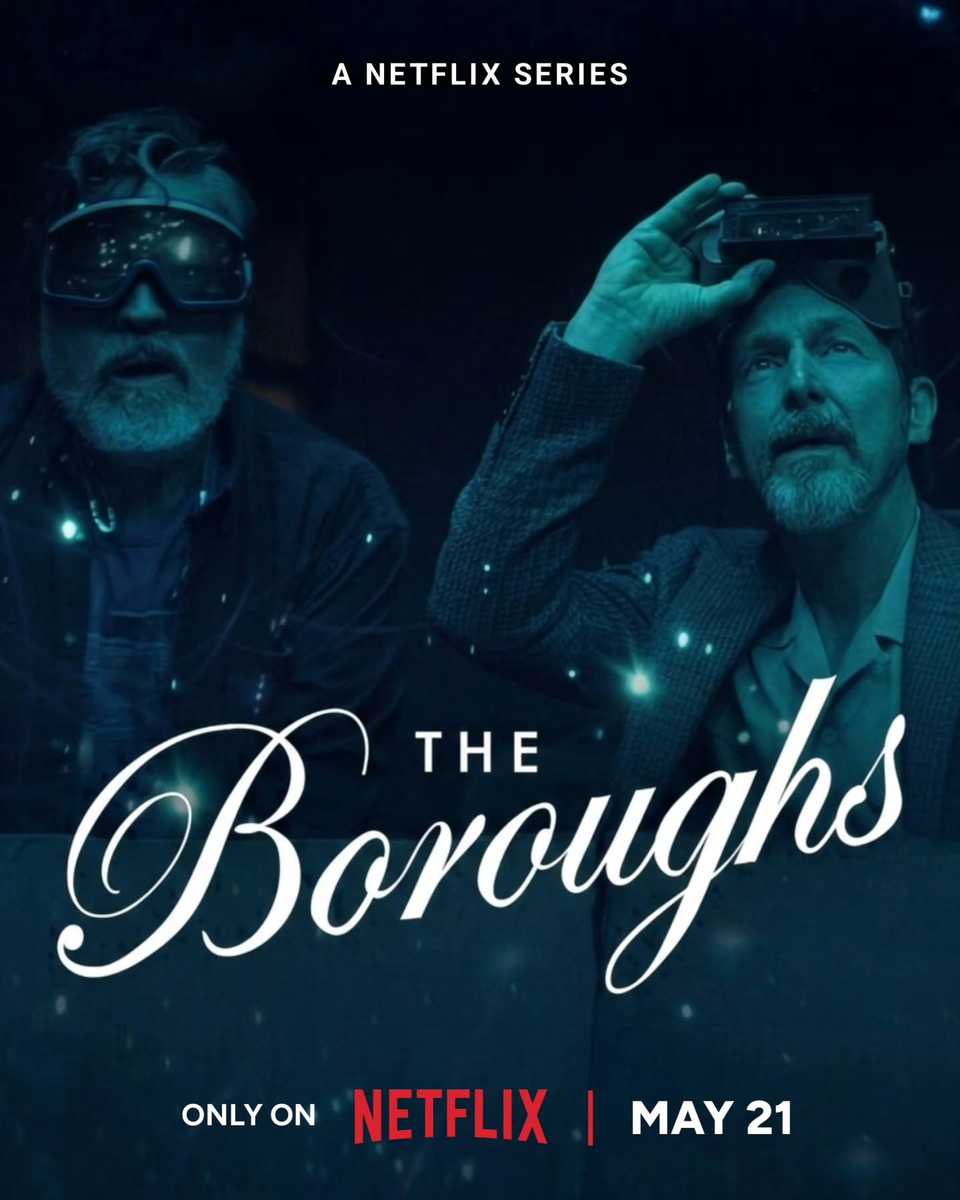
Netflix canceled the original series The Boroughs approximately one month after its premiere, despite the show debuting at No. 2 overall in streaming ratings, according to reports from Yahoo and USA Today. Geena Davis told The Hollywood Reporter that the streaming giant provided no explanation for the decision, stating the cast and crew are “terribly disappointed.”
Why did Netflix cancel ‘The Boroughs’ despite high ratings?
The cancellation of The Boroughs presents a contradiction between public viewership data and internal corporate decision-making. While Yahoo reported the series debuted at No. 2 overall in streaming ratings, Netflix opted to end the show after a single season. This move suggests that raw viewership numbers—the “top 10” lists often seen by users—are not the sole metric Netflix uses to determine a show’s viability.
Industry analysis suggests Netflix prioritizes “completion rates” over debut numbers. A show can attract millions of viewers in its first week, but if a significant percentage of those viewers do not finish the season, the platform often views the content as a failure to retain the audience. In the case of The Boroughs, the gap between its high debut ranking and its swift cancellation indicates a potential drop-off in viewership as the season progressed.
According to USA Today, the decision was a “surprise move,” occurring just four weeks after the show hit the platform. This rapid turnaround is unusual even for Netflix, which typically allows a longer window for a series to find its audience through algorithmic recommendations.
| Metric | Reported Status | Source |
|---|---|---|
| Debut Ranking | No. 2 Overall | Yahoo |
| Duration Before Cancellation | One Month | USA Today |
| Season Count | One Season | Gizmodo |
| Official Explanation | None Provided | The Hollywood Reporter |
What did Geena Davis say about the cancellation?
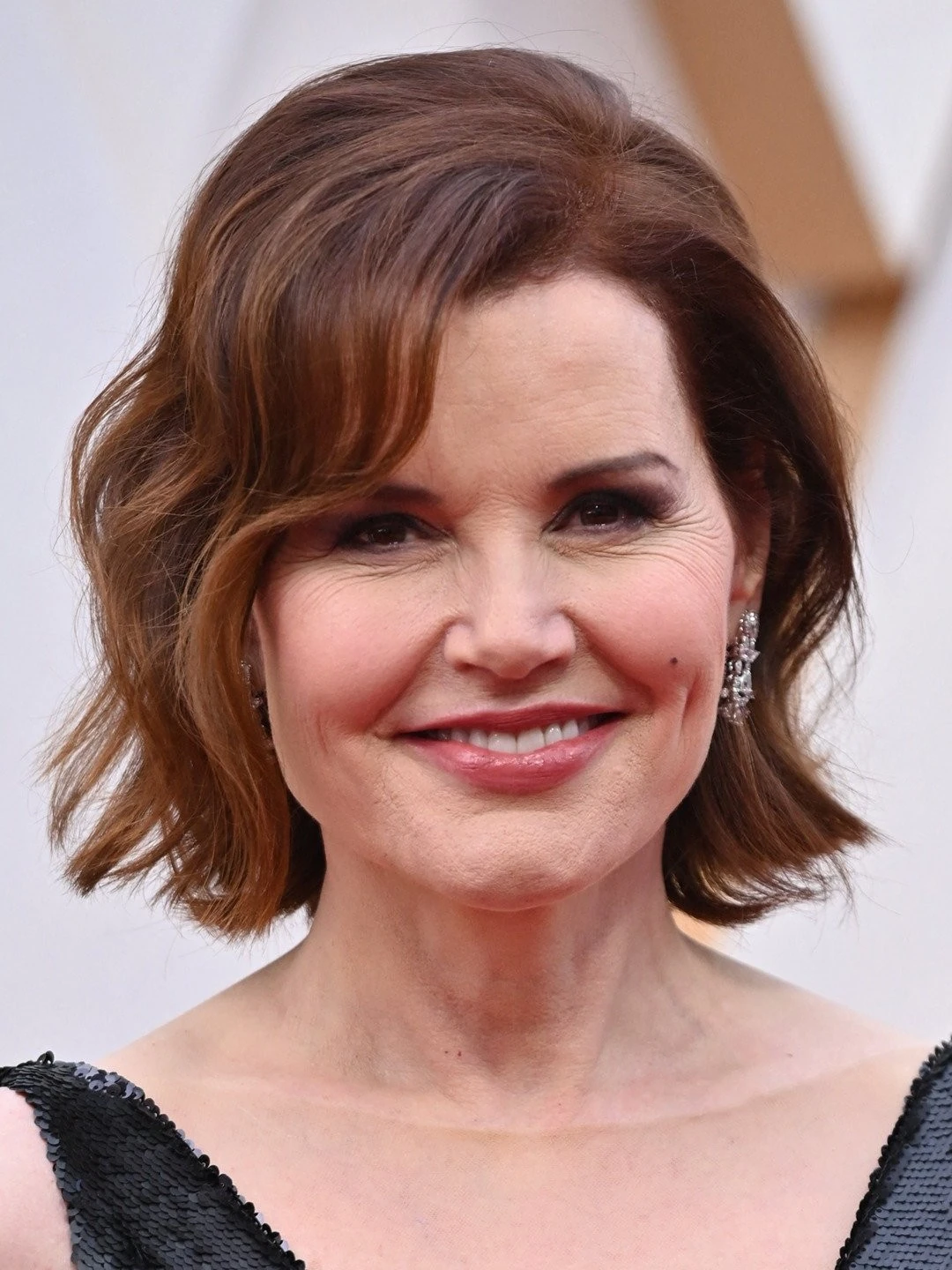
Geena Davis, a central figure in the production, expressed confusion and frustration over the lack of transparency from the streaming service. In an exclusive statement to The Hollywood Reporter, Davis confirmed that the series was canceled without an explanation from Netflix executives. She noted, “We’re all terribly disappointed,” highlighting the emotional and professional toll on the production team.
The lack of a stated reason for the cancellation is a recurring point of contention between creators and Netflix. Because the company keeps its detailed viewership data proprietary, actors and showrunners often learn of a cancellation through third-party reports or brief internal memos that do not specify whether the decision was based on cost, completion rates, or a shift in content strategy.
Davis’s comments underscore a broader tension in the streaming era: the disconnect between a show’s perceived popularity and its actual value to a platform’s growth strategy. For a high-profile project like The Boroughs, the absence of a “why” leaves the creative team unable to assess where the project fell short of corporate expectations.
How does this fit into Netflix’s broader cancellation patterns?
The fate of The Boroughs aligns with a documented trend of Netflix canceling series after a single season, regardless of initial buzz. Gizmodo confirmed the show lasted only one season, a pattern that has affected numerous high-budget originals. This strategy often stems from the “acquisition” value of a new show.
Netflix frequently uses new series to attract new subscribers. Once a show has debuted and brought in a wave of new sign-ups, the cost of producing a second season—which often involves higher talent fees and production costs—may outweigh the benefit of keeping existing subscribers. If the “completion rate” is low, the show is viewed as a tool that has already served its primary purpose.
- Acquisition vs. Retention: New shows drive sign-ups; long-running shows drive retention. If a show doesn’t do both, it’s at risk.
- The “One-and-Done” Cycle: Netflix has a history of canceling shows that fail to hit a specific internal efficiency ratio (cost per hour viewed).
- Budgetary Shifts: The company has recently pivoted toward more licensed content and “live” events, potentially squeezing the budget for original scripted dramas.
By comparing the reporting from Yahoo (focusing on the No. 2 rank) and USA Today (focusing on the “surprise” timing), it becomes clear that The Boroughs fell victim to a data-driven decision that ignored traditional markers of success.
Why does the timing of the cancellation matter?
The timeline provided by USA Today—cancellation within one month of debut—is particularly aggressive. Most streaming services monitor a “decay curve” over 60 to 90 days to see if a show grows via word-of-mouth. A 30-day window suggests that Netflix’s internal data showed a sharp, immediate decline in viewership after the first few episodes.
This timing also impacts the ability of the creators to shop the show to other networks. When a show is canceled so quickly, it can signal to other buyers that the content is “toxic” or lacked staying power, even if the initial numbers were high. This puts the cast and crew in a precarious position, as they must defend the show’s quality against a narrative of failure created by the platform’s own data.
Furthermore, the “surprise” nature of the move, as noted by USA Today, suggests a lack of communication between the network’s data analysts and the creative leads. This gap often leads to public statements of disappointment, such as those made by Geena Davis to The Hollywood Reporter, because the creators are the last to know the internal metrics have shifted.
Comparing the narratives: Ratings vs. Reality
There is a stark contrast in how different media outlets framed the end of The Boroughs. Yahoo focused on the quantitative success of the show, highlighting its No. 2 debut. This framing suggests a “wrongful” cancellation based on the assumption that high numbers should equal renewal.
In contrast, The Hollywood Reporter focused on the human element and the lack of corporate communication, using Geena Davis’s quotes to frame the story as a failure of transparency. Gizmodo took a more matter-of-fact approach, framing it as another entry in the long list of “RIP” series that didn’t survive their first season.
This divergence in reporting highlights the complexity of the streaming business. The “success” of a show is no longer a single number (like Nielsen ratings for broadcast TV) but a composite of several hidden metrics:
- New Member Acquisition: Did people sign up specifically to watch The Boroughs?
- Churn Reduction: Did it stop people from canceling their subscriptions?
- Completion Rate: Did viewers watch all episodes in a short window?
- Cost-to-View Ratio: Was the cost of the production justified by the total hours watched?
While the show hit the “No. 2” mark in raw viewership, it likely failed in one or more of the other three categories, leading to the decision reported by USA Today and Gizmodo.
What are the implications for future Netflix originals?
The cancellation of a top-two debuting show sends a signal to creators and actors that star power and initial popularity are not safeguards against cancellation. Geena Davis’s involvement brought significant prestige and visibility to the project, yet the series was still terminated without explanation.
This suggests that Netflix is doubling down on its algorithmic approach to content. The “human” element of television—the slow build of a cult classic or the prestige of a veteran actor—is increasingly secondary to the “efficiency” of the content. For future productions, this may lead to a shift in how stories are written, with more pressure to create “hooks” in the first two episodes to ensure high completion rates.
The industry may also see a rise in “co-production” models where creators retain more rights or partner with multiple platforms to avoid the “one-and-done” risk associated with a single streaming entity.
For more on how streaming services determine show longevity, see our related explainer on streaming completion rates.
Frequently Asked Questions
Why was ‘The Boroughs’ canceled if it was No. 2 in ratings?
According to reports from Yahoo and USA Today, while the show had a strong debut at No. 2, Netflix likely utilized internal metrics such as completion rates (the percentage of viewers who finished the season) and acquisition value to make the decision. High initial views do not always guarantee a renewal if viewers stop watching halfway through.
Did Geena Davis receive an explanation for the cancellation?
No. Geena Davis told The Hollywood Reporter that the series was canceled without explanation, leaving her and the rest of the team “terribly disappointed.”
How long did ‘The Boroughs’ last on Netflix?
The series lasted for one season, according to Gizmodo. USA Today reported that the cancellation happened approximately one month after the show’s debut.
Is it common for Netflix to cancel shows after one season?
Yes. Netflix has a well-documented history of canceling original series after a single season if they do not meet specific internal efficiency and retention goals, regardless of their initial ranking on the “Top 10” lists.
Where can I watch ‘The Boroughs’?
As of the current reporting, the series remains available on Netflix, though it will not return for a second season.
