Germany Approves Transfer of Critical Power Plant Equipment to Ukraine Amid Energy Crisis
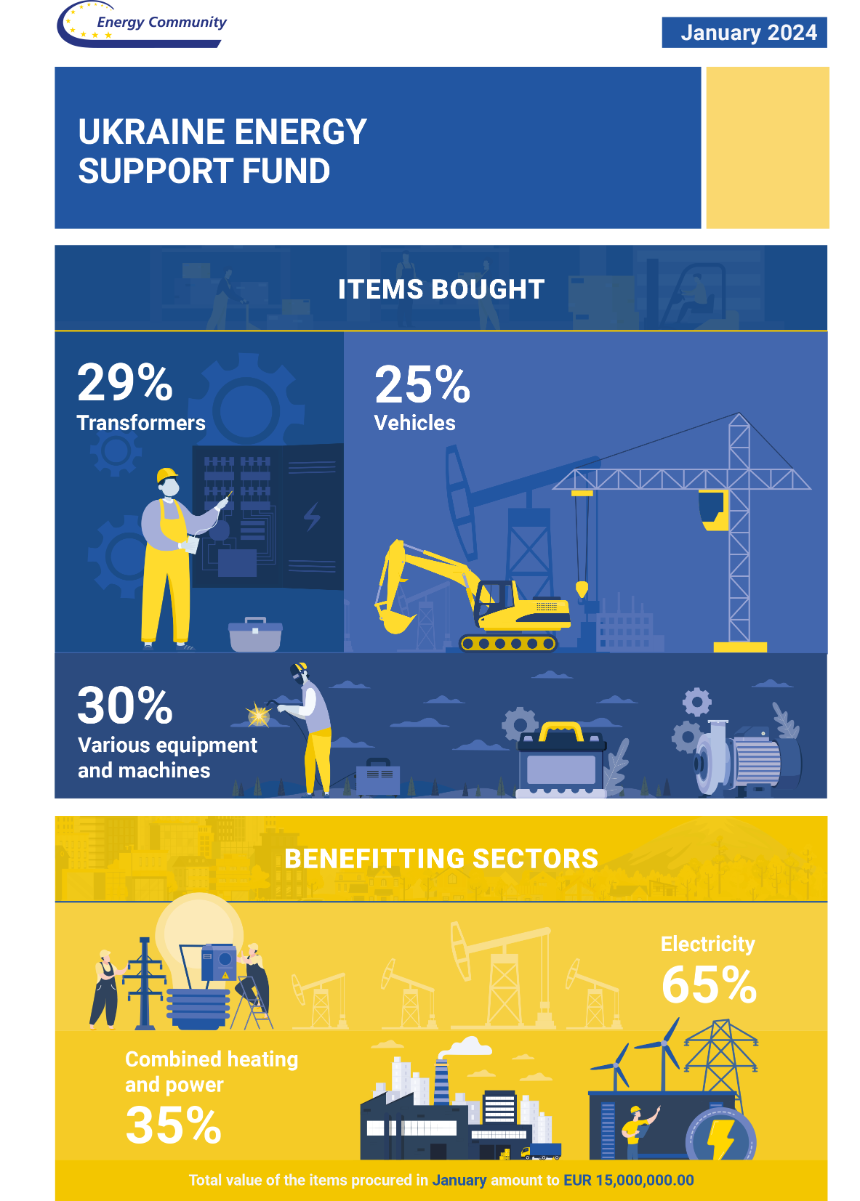
Berlin, [Date] — Germany has formally approved the relocation of key combined heat and power (CHP) plant equipment to Ukraine, marking a significant escalation in Berlin’s support for Kyiv’s energy infrastructure as winter approaches. The move, confirmed by German officials and industry sources, involves the transfer of high-voltage transformers, generators, and control systems from decommissioned or idle facilities in Germany to Ukrainian power stations damaged by Russian strikes. According to the German Economy Ministry, the initiative—codenamed EnergieSicherheit 2024—aims to restore up to 15% of Ukraine’s pre-war electricity generation capacity by early 2025.
The decision follows months of behind-the-scenes negotiations between German energy regulators, Ukrainian officials, and European Union logistics experts. While the equipment itself is not new—much of it sourced from retired plants in Bavaria and North Rhine-Westphalia—the operation represents a logistical and political gamble. Ukrainian energy officials have warned that delays in transport or customs clearance could leave critical regions, including Lviv and Kharkiv, facing prolonged blackouts as temperatures drop.
Key Points:
- The transfer includes 42 high-voltage transformers, 18 gas turbine generators, and 75 control units, valued at approximately €120 million.
- Logistics are being coordinated with the EU’s Energy Community and Ukrainian military transport units to bypass Russian-controlled supply routes.
- Germany’s move contrasts with earlier EU restrictions on arms and dual-use technology transfers, signaling a shift in Berlin’s approach to energy aid.
- Ukrainian President Volodymyr Zelenskyy has framed the support as “a lifeline for our people,” though analysts caution the equipment alone may not prevent widespread outages.
Why Is Germany Sending CHP Equipment to Ukraine?
Germany’s decision stems from three interlocking crises: Ukraine’s deteriorating energy grid, Europe’s own gas shortages, and political pressure to avoid a humanitarian disaster this winter. Russian missile and drone strikes have destroyed or damaged nearly 40% of Ukraine’s power generation capacity since 2022, according to a September report by the Kyiv School of Economics. Without intervention, Ukrainian officials project that up to 12 million people could face prolonged power cuts by December.

For Germany, the move also serves as a strategic counter to Russian propaganda claims that Europe is abandoning Ukraine. “This is not just about charity—it’s about ensuring Ukraine can withstand the coming winter and maintain its ability to fight,” said a senior official from the German Foreign Office, speaking on condition of anonymity. The equipment transfer aligns with Berlin’s broader Zeitenwende energy policy, which has already seen Germany accelerate coal plant restarts and fast-track LNG terminal projects.
Context: Ukraine’s energy sector has been a deliberate target of Russian aggression. Since October 2022, Moscow has launched over 1,200 strikes on Ukrainian power infrastructure, according to the Institute for the Study of War. The EnergieSicherheit 2024 initiative is the first large-scale EU-led effort to directly replace destroyed equipment.
Who Is Involved—and What Are Their Roles?
The operation involves a complex web of stakeholders, each with distinct responsibilities:
| Stakeholder | Role | Key Challenges |
|---|---|---|
| German Economy Ministry | Coordinates equipment selection, funding (€120M), and export permits under EU dual-use regulations. | Balancing domestic energy needs with Ukraine’s demands; ensuring no critical German infrastructure is left vulnerable. |
| Ukrainian Energy Ministry | Identifies damaged sites (prioritizing Zaporizhzhia and Dnipro plants) and oversees installation. | Logistical delays due to Russian shelling near repair crews; corruption risks in procurement. |
| EU Energy Community | Provides customs clearance, transport insurance, and cross-border legal compliance. | Navigating sanctions on Russian-controlled territories for transit routes. |
| German Military Logistics (Bundeswehr) | Secures transport via rail and road, with some shipments using armored convoys. | Russian sabotage risks along Polish-Ukrainian border routes. |
| Private Sector (Siemens, RWE, Vattenfall) | Donates spare parts, technical expertise, and training for Ukrainian engineers. | Liability concerns over post-installation maintenance in a war zone. |
Notably, the transfer excludes nuclear components, as Ukraine’s Energoatom corporation has separately secured fuel supplies from the U.S. and France. However, German officials have hinted at future discussions on repairing damaged nuclear reactors, including the besieged Zaporizhzhia plant.
How Will the Equipment Be Transported—and When Will It Arrive?
The logistics of moving 1,000-ton transformers and sensitive control systems across war-torn Europe present unprecedented challenges. German authorities have outlined a phased approach:
- Phase 1 (October–November 2024): Pre-positioning of spare parts and smaller components via commercial freight (e.g., DB Cargo trains from Munich to Lviv).
- Phase 2 (December 2024–January 2025): Heavy equipment transport using a mix of:
- Armed military convoys for high-risk routes (e.g., through Slovakia).
- Rail shipments via the Railway Ukraine network, with priority given to nighttime operations.
- Airlift of critical control systems via leased Antonov An-124 cargo planes (funded by the EU).
- Phase 3 (February 2025): On-site installation by German-Ukrainian engineering teams, with remote monitoring via satellite links.
Ukrainian officials have set a target of restoring 3.5 gigawatts of capacity by March 2025—enough to power a city the size of Hamburg. However, delays are likely. A similar 2023 EU initiative to repair a single thermal power plant in Mykolaiv took six months due to Russian interference with supply chains.
What Are the Risks—and Could This Backfire?
While the transfer is framed as humanitarian aid, experts warn of potential unintended consequences:
- Russian Retaliation: Moscow has previously targeted energy infrastructure in Poland and Romania in response to Western support for Ukraine. A German official briefed on security planning acknowledged that “the risk of escalation is real,” though no specific threats have been made public.
- Domestic Political Fallout: German opposition parties, including the AfD, have criticized the move as a diversion from domestic energy crises, such as coal phase-out delays. The Bundesrechnungshof (Federal Audit Office) has also questioned the €120 million cost in a letter to Economy Minister Robert Habeck.
- Equipment Mismatch: Some Ukrainian power plants use Soviet-era standards incompatible with German systems. The Ukrainian Energy Agency estimates that 20% of transferred equipment may require costly retrofitting.
- Long-Term Dependence: While the short-term boost is clear, Ukraine’s energy sector will still rely on Western aid for years. A World Bank report from August 2024 projected that Ukraine would need $15 billion in external funding to fully repair its grid by 2026.
Despite these risks, Ukrainian Energy Minister Yuriy Boyko called the German initiative “a turning point.” “This is the first time a major European country has treated our energy crisis as an existential threat rather than a secondary issue,” he told reporters in Kyiv.
How Does This Compare to Past EU Energy Aid for Ukraine?
The German CHP equipment transfer is the largest single aid package for Ukraine’s energy sector since the war began, but it builds on earlier—often overlooked—efforts:
| Initiative | Scope | Outcome | Key Difference |
|---|---|---|---|
| EU Solidarity Lanes (2022) | Fuel deliveries from Poland, Romania, and Hungary. | Temporarily stabilized diesel supplies but failed to address grid repairs. | Short-term relief vs. long-term infrastructure restoration. |
| German Coal Plant Restarts (2023) | Reopening of 10 lignite plants to offset Russian gas cuts. | Reduced German dependence on Russian gas but no direct Ukrainian benefit. | Domestic focus vs. direct foreign aid. |
| EU Technical Assistance Mission (2023–24) | Deployment of 500 engineers to repair damaged substations. | Restored 1.2 GW of capacity but lacked heavy equipment. | Labor vs. hardware support. |
| Current CHP Transfer (2024) | Full-scale relocation of power generation assets. | Potential to restore 3.5 GW—nearly triple past efforts. | Scale and direct impact on Ukraine’s grid. |
Analysts at Bruegel, a Brussels-based think tank, note that while previous aid was fragmented, the German initiative represents a “coordinated industrial response.” “This is less about charity and more about recognizing that Ukraine’s energy collapse would destabilize the entire European winter,” said Simone Tagliapietra, a senior fellow at Bruegel.
What Happens If the Transfer Fails?
Ukrainian officials and international aid groups have outlined three potential failure scenarios—and their cascading effects:
- Logistical Collapse:
- If Russian strikes disrupt rail or road routes, shipments could be delayed by months.
- Example: A 2023 attack on a train depot in Kramatorsk halted a French-supplied medical aid convoy for two weeks.
- Impact: Blackouts in western Ukraine could extend into spring 2025.
- Equipment Incompatibility:
- Soviet-era power plants may lack the interfaces for German-made control systems.
- Example: A 2019 EU-funded repair project in Donetsk failed due to voltage standard mismatches.
- Impact: Transferred generators could sit idle, wasting €120 million.
- Russian Countermeasures:
- Moscow could escalate strikes on Ukrainian repair crews or energy hubs.
- Example: In October 2023, Russian forces targeted a Ukrainian Energy Agency office in Kyiv, killing three staff.
- Impact: A spiral of retaliation could trigger broader EU military aid debates.
To mitigate these risks, Germany has quietly negotiated asylum guarantees for Ukrainian technicians working on the project, and the EU is considering designating energy aid convoys as protected humanitarian corridors under the Geneva Conventions.
What’s Next for Ukraine’s Energy Sector?
Even if the CHP transfer succeeds, Ukraine’s energy future hinges on three unresolved questions:
- Sustainable Funding: The €120 million German package covers only equipment costs. Ukraine’s Energy Strategy 2030 requires $40 billion in total repairs—where will the rest come from?
- Decarbonization vs. Survival: Ukraine had pledged to phase out coal by 2035, but war has forced a rethink. German officials say they will not block Ukraine from restarting mothballed coal plants if necessary.
- Long-Term Grid Security: Without Western guarantees, Ukraine’s energy sector remains vulnerable to Russian sabotage. A leaked NATO internal report from July 2024 warned that “Ukraine’s grid is now a hybrid warfare target—equipment aid alone won’t change that.”
In the short term, the German initiative buys time. But as one Kyiv-based energy consultant put it, “This is like patching a sinking ship. The real question is whether Europe is willing to build a new one.”
For now, the focus remains on delivering the equipment before winter. German Economy Minister Robert Habeck told reporters that “every day counts.” With temperatures already dropping in eastern Ukraine, the race is on.
Frequently Asked Questions
Q: Will this equipment actually work in Ukraine’s power grid?
A: Most of the CHP equipment is designed for European standards, but some Soviet-era plants may require adapters. Ukrainian officials have already identified 12 sites where retrofitting will be necessary. The German government is providing technical teams to oversee compatibility checks.
Q: How is Germany paying for this?
A: The €120 million cost is being covered by a mix of German federal funds, EU emergency aid, and private donations from companies like Siemens and RWE. No public debt is being incurred by Ukraine.
Q: Could Russia retaliate against Germany for this aid?
A: There is a risk, though no direct threats have been made. Russia has previously targeted energy infrastructure in Poland and Romania in response to Western support. German security forces are coordinating with Ukrainian authorities to secure transport routes.
Q: What happens if the equipment doesn’t arrive in time?
A: Ukrainian energy officials have warned that without the CHP equipment, up to 12 million people could face prolonged blackouts by December. The government has already begun rationing heating fuel in affected regions.
Q: Is this part of a larger EU energy aid package?
A: Yes. The German initiative is being coordinated with the EU’s Energy Community, which is also exploring the transfer of spare parts from other member states, including France and Italy. A full EU-wide energy aid strategy is expected to be unveiled in Brussels by December 2024.
Q: Will this help Ukraine win the war?
A: Indirectly, yes. Energy security is critical for Ukraine’s military and civilian resilience. However, analysts stress that equipment alone won’t determine the war’s outcome—political and military support remain essential.
Q: What’s the timeline for restoring power?
A: German officials aim to have the first shipments arrive by mid-December, with installations completed by March 2025. Full restoration of 3.5 GW of capacity is expected by late spring, though delays are possible due to Russian interference.
