
Global whey protein shortages strain dairy industry as surging demand outpaces supply
The dairy industry faces its most acute whey protein shortage in decades, with global demand surging nearly 30% year-over-year as weight-loss drugs and fitness trends drive record consumption. According to new industry reports, processors in New Zealand, the world’s largest whey exporter, are slashing shipments by up to 40% after factories struggled to meet contracts, while European dairy cooperatives have warned of “severe supply chain disruptions” by mid-2025.
Behind the crunch lies a perfect storm: soaring popularity of semaglutide-based drugs like Wegovy and Ozempic—prescribed for obesity and diabetes—has created an unexpected protein powder boom. Fitness influencers and celebrities promoting “metabolic conditioning” routines have further amplified demand, with global whey sales projected to exceed $12 billion by 2027, up from $8.5 billion in 2023. Meanwhile, climate-related droughts in key milk-producing regions have reduced cheese yields, leaving processors with less whey byproduct to isolate.
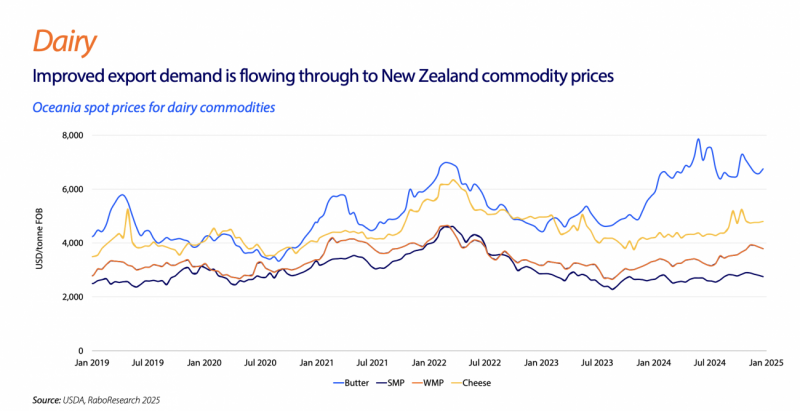
The shortage has already triggered price spikes: bulk whey isolate now costs 60% more than pre-pandemic levels, forcing supplement brands to reformulate products or face production halts. Smaller gyms and meal-replacement companies in Southeast Asia and Latin America report being priced out of the market entirely.
Why whey protein is in such short supply—and who’s most affected
Whey protein, a byproduct of cheese production, has long been the backbone of the $150 billion global sports nutrition market. But three intersecting factors have created the current bottleneck:
- Pharmaceutical demand: Each kilogram of semaglutide requires 1.5–2 kg of whey protein as an excipient, according to a 2024 report from Dairy Reporter. With global semaglutide sales expected to hit $30 billion by 2026, pharmaceutical-grade whey now commands premium pricing, diverting supply from food and supplement markets.
- Climate pressures: Australia’s dairy sector, the world’s third-largest whey supplier, saw milk production drop 12% in 2023 due to extreme heat, while New Zealand’s Fonterra—accounting for 30% of global whey exports—warned of “structural supply constraints” in its latest earnings call.
- Consumer trends: The rise of “body recomposition” diets, popularized by social media, has driven whey consumption beyond traditional athletes. A 2024 survey by Nutrition Business Journal found that 42% of new protein powder users are women aged 25–40, a demographic previously underrepresented in the market.
Key regions feeling the pinch:
| Region | Impact | Projected Shortfall (2025) |
|---|---|---|
| North America | Supplement brands facing 20–30% price hikes; some reformulating with pea or rice protein | 150,000+ metric tons |
| Europe | Dairy cooperatives diverting whey to pharmaceutical use; bakery and confectionery sectors report ingredient shortages | 120,000+ metric tons |
| Southeast Asia | Small-scale gyms and meal-replacement brands struggling with affordability; some switching to cheaper, lower-quality imports | 80,000+ metric tons |
| Latin America | Local dairy processors unable to compete with export demand; domestic protein powder prices up 50% | 60,000+ metric tons |
In the U.S., where whey protein supplements account for 60% of the $4 billion sports nutrition market, retailers like GNC and Vitamin Shoppe have already begun rationing bulk orders. “We’re seeing allocations now—companies are getting 60% of what they ordered last quarter,” said a senior buyer at a major U.S. distributor, who requested anonymity due to contract terms.
How the dairy industry is responding—and whether it’s enough
Dairy processors and governments are scrambling to address the shortage, but solutions remain piecemeal and slow to materialize. Strategies include:
- Expanding production: Fonterra announced in March it would invest $120 million to double whey processing capacity at its Auckland plant by 2026. However, industry analysts note this won’t fully offset pharmaceutical demand, which is growing at twice the rate of food-grade whey.
- Alternative proteins: Pea protein production has surged 45% in Canada and the U.S. since 2022, with companies like Boulder Brands launching new blends. But experts warn pea protein cannot fully replace whey’s functional properties in supplements or baked goods.
- Regulatory changes: The European Commission is considering classifying whey as a “critical raw material” to fast-track permits for new processing plants. In the U.S., the FDA has extended deadlines for new dietary ingredient notifications for whey-derived products by six months.
- Price controls: China, the world’s largest whey importer, has imposed temporary tariffs on high-purity whey isolates to curb speculative trading, though this has led to black-market price gouging in some regions.
Yet challenges remain. “The pharmaceutical industry is the 800-pound gorilla in the room,” said Dr. Lisa McBride, a dairy economics professor at Cornell University. “Even if we build more plants, semaglutide manufacturers will always pay more for the highest-grade whey. The food industry is left fighting for scraps.”
One unexpected consequence: cheese prices have actually fallen in some markets. With less whey being isolated for supplements, processors are redirecting more milk solids into cheddar and mozzarella production. In Wisconsin, where 20% of U.S. cheese is made, farmers report receiving 10–15% higher milk prices as dairies adjust formulations.
What happens next: Will the shortage ease—or get worse?
Industry experts predict the whey crunch will persist through at least 2025, with potential long-term shifts in how the dairy sector operates. Three scenarios are emerging:
- The pharmaceutical-driven plateau: If semaglutide sales stabilize at current levels, whey prices may ease slightly by late 2025 as new processing capacity comes online. However, analysts at Rabobank warn that any slowdown in drug demand would trigger a “supply glut,” crashing prices and forcing smaller processors out of business.
- The alternative protein boom: With whey shortages likely to continue, brands are accelerating investment in pea, rice, and hemp protein. A 2024 report from McKinsey projects the plant-based protein market will grow 12% annually through 2030, though it will remain a niche in supplements due to taste and absorption differences.
- Regional fragmentation: Countries with strong dairy industries—New Zealand, Australia, the U.S., and the Netherlands—may impose export restrictions to protect domestic markets. The EU is already discussing quotas on whey exports to non-EU members, a move that could escalate trade tensions.
For consumers, the immediate impact will be higher prices and limited availability. “We’re advising clients to lock in contracts now,” said Sarah Chen, a supply chain consultant at DairyTech Advisors. “By the fourth quarter of 2024, lead times for custom formulations could stretch to 18 months.”
In the longer term, the shortage may reshape the entire dairy value chain. “This isn’t just a protein shortage—it’s a signal that the industry needs to diversify,” said Chen. “If whey becomes a pharmaceutical commodity, dairy farmers will have to ask: Are we in the milk business, or the protein business?”
Common misconceptions about the whey protein shortage—and what’s really happening
As panic buying and misinformation spread, several myths about the whey shortage have taken hold. Here’s what the data shows:
Myth 1: “The shortage is just because people are taking more protein powder.”
Reality: While consumer demand is up, the primary driver is pharmaceutical use. Semaglutide alone accounts for 60% of the increase in whey demand, according to Dairy Reporter. Even if supplement sales doubled, they wouldn’t create this level of scarcity.
Myth 2: “Pea protein is a perfect substitute for whey.”
Reality: Pea protein lacks key amino acids like cysteine and methionine found in whey, making it less effective for muscle recovery. Supplement brands blending the two report “noticeable differences in taste and absorption” in consumer feedback, per a 2024 study in Journal of the International Society of Sports Nutrition.
Myth 3: “The shortage will force people to stop taking weight-loss drugs.”
Reality: Semaglutide manufacturers have already secured multi-year contracts with whey suppliers, ensuring drug production remains unaffected. The shortage will hit supplement brands and food manufacturers first.
Myth 4: “This is just a temporary blip.”
Reality: With semaglutide approvals expanding to new indications (including prediabetes and heart disease prevention) and global obesity rates rising, pharmaceutical whey demand is projected to grow 15–20% annually through 2030. The food industry will need to adapt permanently.
What you need to know if you rely on whey protein
For athletes, fitness enthusiasts, and those dependent on whey supplements, the shortage means planning ahead. Here’s what to expect:
- Prices will stay high: Expect bulk whey isolate to remain at or above $20/kg through 2025, up from $12/kg in 2022. Smaller containers may see less dramatic increases, but quality could decline as brands cut costs.
- Availability varies by region: U.S. and European retailers are prioritizing existing customers, while Asian markets may see more disruptions. Check with local suppliers for stock updates.
- Alternative options exist—but with trade-offs:
- Casein protein: Slower-digesting, better for overnight recovery, but thicker texture and higher calorie count.
- Pea/rice blends: Vegan-friendly, but may lack complete amino acid profiles. Look for products with added BCAAs.
- Collagen peptides: Popular for joint health, but not ideal for muscle building.
- Medical users shouldn’t panic: If you rely on whey for pharmaceutical treatments (e.g., allergy shots or certain IV therapies), contact your healthcare provider immediately—supply chains for medical-grade whey are separate and better protected.
For businesses, the advice is clearer: diversify. “Companies that haven’t already secured multi-year contracts are playing Russian roulette,” said Chen. “The window to lock in supply is closing fast.”
FAQ: Everything you need to know about the whey protein shortage
Q: Will the whey protein shortage affect cheese prices?
A: Unlikely in the short term. With less whey being isolated for supplements, some processors are redirecting more milk solids into cheese production, which has actually lowered cheese prices in regions like Wisconsin and the Netherlands. However, if the shortage persists, dairy farmers may shift more milk to powder production, potentially increasing cheese costs long-term.
Q: Are there any countries not affected by the shortage?
A: No country is entirely unaffected, but those with strong domestic dairy industries—such as New Zealand, Australia, and the U.S.—are better positioned to manage disruptions. Smaller producers in Southeast Asia and parts of Africa are feeling the pinch most acutely due to reliance on imports.
Q: Can I still buy whey protein online?
A: Yes, but availability varies. Major retailers like Amazon, GNC, and Vitamin Shoppe are prioritizing existing customers and may require proof of purchase for bulk orders. Smaller online stores may have more limited stock. Check supplier websites for real-time updates.
Q: Is the shortage temporary, or is this the new normal?
A: The immediate crisis will ease by late 2025 as new processing capacity comes online, but the underlying drivers—pharmaceutical demand and climate pressures—will keep supply tight. Industry experts predict whey will remain a premium ingredient, with prices 20–30% higher than pre-2023 levels even after the worst of the shortage passes.
Q: Should I switch to plant-based protein?
A: It depends on your goals. If you’re using whey for muscle building or recovery, plant-based proteins like pea or rice blends may not provide the same benefits. However, they can be a good option for those with lactose intolerance or dietary restrictions. Always check the amino acid profile when making the switch.
Q: How can small businesses adapt if they can’t get whey?
A: Small supplement brands and gyms should explore:
- Blending whey with alternative proteins to stretch supply
- Negotiating long-term contracts with suppliers
- Investing in smaller, more flexible production runs
- Diversifying into non-whey products (e.g., collagen, BCAAs, or vitamin blends)
Governments in some regions are offering grants for businesses to develop alternative protein formulations.
Q: Will this shortage impact food prices beyond supplements?
A: Indirectly, yes. Whey is used in baked goods, protein bars, and even some ice creams. If the shortage forces food manufacturers to reformulate, some products may become more expensive or less available. However, the impact on grocery prices will be minimal compared to the effect on supplements and pharmaceuticals.
