
Studio 54, founded by Steve Rubell and Ian Schrager, redefined the economics of exclusivity in New York City nightlife during the 1970s. According to local media reports, the club leveraged a strict door policy to create a high-status brand that attracted global celebrities and immense wealth before closing due to legal and financial scandals.
How did Studio 54 monetize exclusivity?
The business model of Studio 54 relied on the creation of artificial scarcity. Unlike traditional venues that prioritized ticket sales or cover charges, Rubell and Schrager focused on the “filter” at the entrance. According to reports, the club’s value was derived from who was not allowed inside, making entry a primary status symbol for the era’s elite.
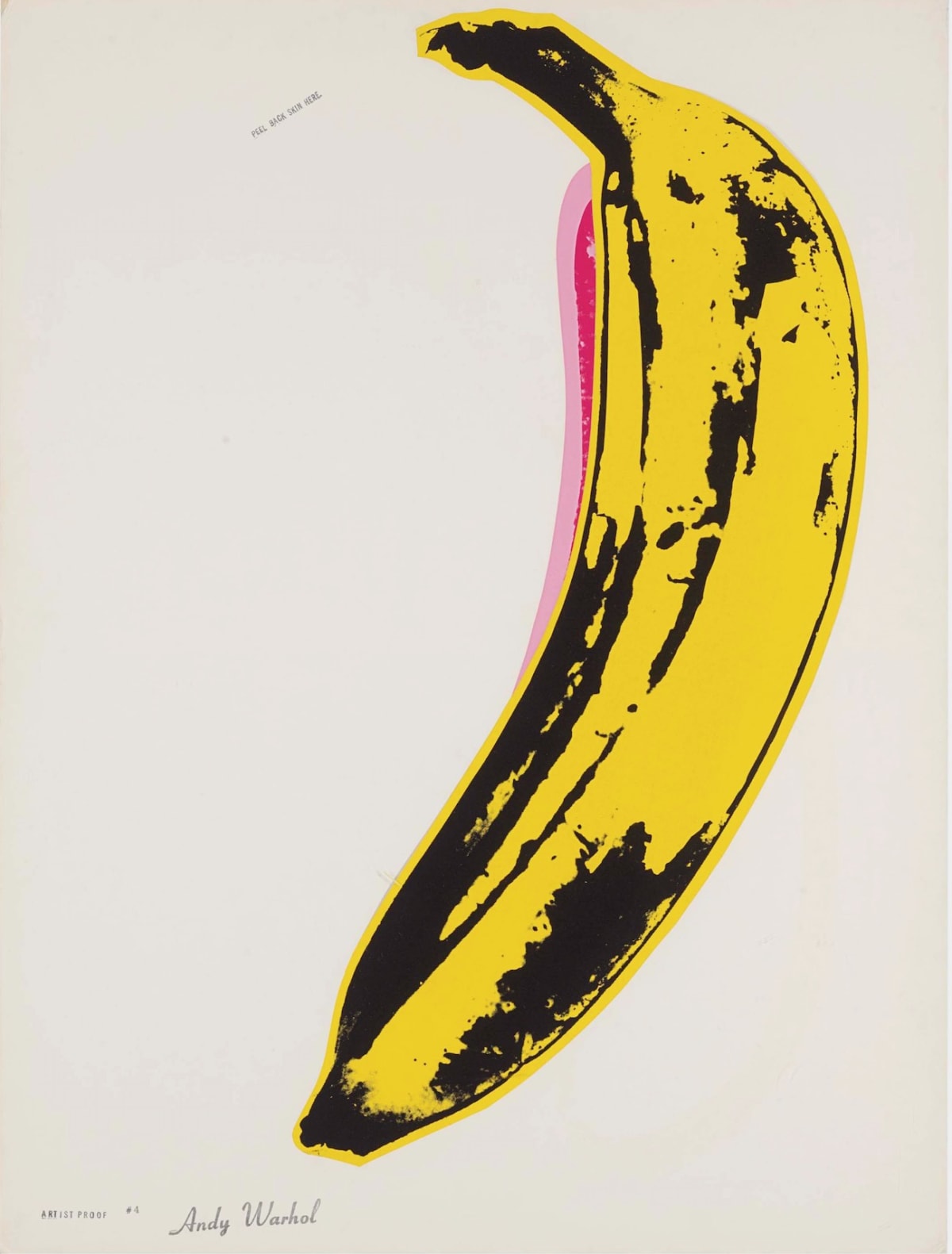
By restricting access to a curated mix of celebrities, fashion icons, and the wealthy, the club transformed a physical space into a luxury brand. This strategy attracted high-profile figures such as Andy Warhol, Grace Jones, and Liza Minnelli, which in turn increased the venue’s desirability to the general public and the corporate class.
What caused the financial and operational collapse of the venue?
The club’s operational success was undermined by a culture of excess that eventually drew the attention of law enforcement. Local media reports indicate that the venue became synonymous with rampant drug use and sexual freedom, creating a volatile environment that conflicted with city regulations.
The decline culminated in legal actions against the founders. Steve Rubell and Ian Schrager faced charges related to tax evasion and the operation of an illegal business. These legal battles, combined with the increasing scrutiny of the club’s internal activities, led to the eventual shuttering of the legendary establishment.
What is the long-term economic impact on the nightlife industry?
Studio 54 shifted the hospitality industry’s approach to “VIP” experiences. By proving that exclusivity could be a more powerful draw than the quality of the product itself, the club laid the groundwork for modern luxury branding and the “velvet rope” economy seen in global nightlife today.
The transition from a simple dance hall to a cultural epicenter demonstrated how social capital—the value of who one knows—could be converted into commercial success. This precedent continues to influence how high-end venues manage guest lists and membership tiers to maintain brand prestige.
