
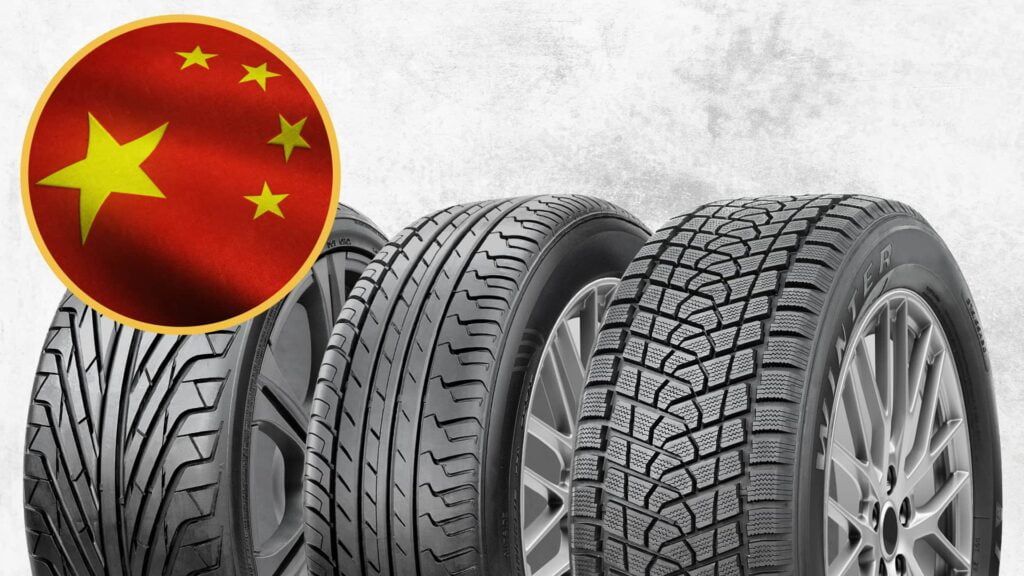
The European Union is implementing anti-dumping duties of up to 45.3% on tire imports from China to protect continental industrial production from unfair pricing. According to reports from L’Usine Nouvelle, these measures aim to curb the influx of low-cost Chinese products that undercut European manufacturers by selling below production costs.
- Maximum Duty: 45.3% on specific Chinese tire imports.
- Primary Goal: Stimulating European industrial production and preventing market distortion.
- Mechanism: Anti-dumping tariffs designed to offset artificially low import prices.
Why the EU is targeting Chinese tire imports
The European Commission’s move addresses “dumping,” a trade practice where a country exports goods at prices lower than those charged in its home market or below the cost of production. According to reports from L’Usine Nouvelle, this strategy has allowed Chinese tire manufacturers to capture significant market share within the EU by offering prices that local producers cannot match without incurring losses.
By applying tariffs as high as 45.3%, the EU intends to neutralize this price advantage. This regulatory tool acts as a corrective measure to restore fair competition, ensuring that European companies are not pushed out of their own market by state-subsidized or artificially cheap imports.
How these duties impact European industrial production
The core objective of these tariffs is to create a protective shield for the European tire industry, potentially boosting domestic manufacturing. When import costs rise, the price gap between Chinese and European-made tires narrows, making local production more commercially viable.
Industry analysts cited by L’Usine Nouvelle suggest that this shift could encourage European firms to maintain or expand their production capacities. Reducing the reliance on Chinese imports is viewed as a way to safeguard industrial jobs and preserve the technical expertise associated with tire manufacturing within the continent.
What this means for consumers and transport costs
While the duties protect manufacturers, they introduce a new economic burden for end-users. Anti-dumping duties typically result in higher retail prices for tires, as the cost of the tariff is often passed from importers to consumers.
This price increase is expected to hit the logistics and transport sectors hardest. According to the reporting, companies relying on high-volume tire replacements for trucking and shipping fleets may see an increase in operational costs. This creates a tension between the goal of industrial sovereignty and the desire to keep transportation costs low for the general public.
The broader context of EU-China trade tensions
The tire tariffs are not an isolated event but part of a larger trend of EU trade defense mechanisms. The European Union has increasingly utilized anti-dumping probes to counter Chinese industrial dominance in sectors perceived as strategic, most notably in the electric vehicle (EV) market.
According to L’Usine Nouvelle, the success of these tire duties in boosting local production will serve as a benchmark for whether trade barriers can effectively revitalize European industry without causing excessive inflation in consumer goods.
