Dapagliflozin Reduces Insulin Requirements at Discharge After CABG in Patients With T2D
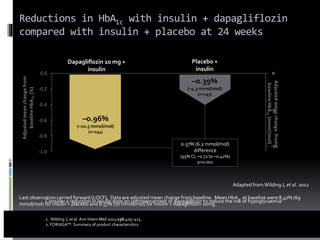
Dapagliflozin reduces the total amount of insulin required for patients with Type 2 Diabetes (T2D) at the time of hospital discharge following Coronary Artery Bypass Grafting (CABG), according to clinical data reported by HCPLive. The SGLT2 inhibitor helps stabilize blood glucose levels during the perioperative period, decreasing the reliance on exogenous insulin as patients transition from surgical recovery to home care.
How Dapagliflozin Affects Insulin Needs After Heart Surgery
Patients with Type 2 Diabetes undergoing Coronary Artery Bypass Grafting (CABG) frequently experience significant fluctuations in blood glucose. The physiological stress of major cardiac surgery, combined with the administration of corticosteroids and the body’s natural inflammatory response, often triggers severe hyperglycemia. Traditionally, clinicians manage these spikes using intensive insulin protocols, including intravenous insulin drips and subcutaneous sliding scales.
Clinical observations reported by HCPLive indicate that the introduction of Dapagliflozin—a sodium-glucose cotransporter 2 (SGLT2) inhibitor—alters this trajectory. By promoting the excretion of glucose through the urine, the drug provides a non-insulin-dependent mechanism for glucose lowering. This additive effect reduces the total units of insulin necessary to maintain target glycemic levels by the time the patient is cleared for discharge.
The reduction in insulin requirements is not merely a matter of dosing. According to the reported findings, the use of Dapagliflozin helps smooth the “peaks and valleys” of blood sugar levels. This stability reduces the risk of hypoglycemia, a dangerous complication in post-surgical cardiac patients who may already be hemodynamically unstable.
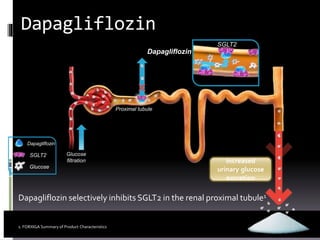
- Mechanism: Dapagliflozin blocks glucose reabsorption in the proximal tubules of the kidney.
- Outcome: Increased urinary glucose excretion (glucosuria).
- Clinical Result: Lower fasting and postprandial plasma glucose levels without increasing insulin secretion.
The Challenge of Post-CABG Hyperglycemia
Hyperglycemia following CABG is more than a metabolic inconvenience; it is a clinical risk factor. High blood sugar levels in the immediate post-operative window are associated with an increased incidence of deep sternal wound infections, pneumonia, and prolonged hospital stays. The surgical trauma of CABG triggers a “stress response,” releasing catecholamines and cortisol, which increase insulin resistance and stimulate the liver to produce more glucose.
For a patient with T2D, this response is amplified. The medical team must balance the need to keep glucose below 180 mg/dL (a common target) while avoiding the catastrophic drop of hypoglycemia. Relying solely on insulin to manage this balance is often difficult because insulin sensitivity changes rapidly as the patient recovers from anesthesia and begins mobilizing.
The integration of SGLT2 inhibitors like Dapagliflozin provides a secondary pathway for glucose control that does not depend on the body’s fluctuating sensitivity to insulin.
Comparing Glycemic Management Strategies
To understand the impact of Dapagliflozin, it is necessary to compare it with the standard of care used in most cardiac surgical wards. Most protocols rely on “basal-bolus” insulin regimens or sliding scale insulin (SSI).
| Management Approach | Primary Mechanism | Common Post-CABG Risks | Insulin Dependence |
|---|---|---|---|
| Insulin-Only (Standard) | Direct glucose uptake via cells | High risk of hypoglycemia; frequent dosing adjustments | High |
| Dapagliflozin + Insulin | Renal glucose excretion + cellular uptake | Risk of euglycemic ketoacidosis; dehydration | Reduced |
The data suggests that adding Dapagliflozin allows for a more gradual weaning of insulin. When patients are discharged, those on the combined therapy often require fewer subcutaneous injections, which simplifies their home medication regimen and improves adherence.
Why Reduced Insulin at Discharge Matters for Patient Outcomes
The transition from hospital to home is one of the most vulnerable periods for a cardiac patient. The requirement for complex insulin regimens increases the burden on the patient and their caregivers. By reducing the insulin requirement at discharge, Dapagliflozin potentially lowers the risk of post-discharge hypoglycemic events, which can lead to readmission or cardiac stress.
Simplification of Medication Regimens
Many T2D patients struggle with the “needle burden” of multiple daily insulin injections. A reduced insulin requirement means fewer injections or the ability to switch from a complex basal-bolus regimen to a simpler once-daily oral medication combined with a lower dose of basal insulin.
Impact on Hospital Resource Utilization
Managing unstable blood sugar requires constant monitoring by nursing staff. Frequent finger-stick tests and the need to adjust insulin doses every few hours consume significant clinical time. A more stable glycemic profile, supported by an SGLT2 inhibitor, can potentially reduce the nursing workload associated with glycemic titration.
Long-term Cardiovascular Benefits
Beyond the immediate post-surgical window, Dapagliflozin is known for its cardioprotective and renoprotective properties. For a patient who has just undergone CABG, the long-term ability of SGLT2 inhibitors to reduce heart failure hospitalizations provides an added layer of preventative care that insulin alone cannot offer.
Clinical Considerations and Safety Guardrails
While the reduction in insulin requirements is a positive outcome, the use of Dapagliflozin in a surgical setting requires strict clinical oversight. There are specific risks associated with SGLT2 inhibitors that surgeons and endocrinologists must monitor.
Euglycemic Diabetic Ketoacidosis (EDKA)
One of the most critical concerns is euglycemic diabetic ketoacidosis. Unlike traditional DKA, where blood sugar is extremely high, EDKA can occur with near-normal glucose levels. The surgical stress of CABG, combined with fasting (NPO status) and the use of SGLT2 inhibitors, can create a metabolic environment conducive to ketone production. According to standard safety protocols, SGLT2 inhibitors are typically paused shortly before surgery and restarted only once the patient is eating and hydrated.
Renal Function and Volume Depletion
Dapagliflozin acts as a mild diuretic. Post-CABG patients are often managed with aggressive diuretic therapy to prevent pulmonary edema and manage fluid overload. The additive diuretic effect of Dapagliflozin could potentially lead to hypotension or acute kidney injury (AKI) if not balanced with adequate hydration. Clinicians must monitor serum creatinine and glomerular filtration rate (GFR) closely before restarting the medication.
The Role of Hydration
Because SGLT2 inhibitors cause glucose and water loss through urine, maintaining a state of euvolemia is essential. The reported success in reducing insulin requirements is contingent upon the patient being hemodynamically stable and adequately hydrated during the recovery phase.
Integrating Dapagliflozin into the Perioperative Timeline
The application of Dapagliflozin is not a constant process but a timed intervention. The timeline typically follows a specific pattern to maximize benefit while minimizing risk:
- Pre-Operative Phase: Dapagliflozin is generally discontinued 2 to 4 days prior to the CABG procedure to mitigate the risk of EDKA during the fasting period.
- Intra-Operative Phase: Blood glucose is managed exclusively with insulin, as the patient is NPO and the risk of dehydration is high.
- Immediate Post-Operative Phase: Insulin remains the primary tool for managing the acute stress-induced hyperglycemia in the ICU.
- Recovery Phase: Once the patient is tolerating oral intake and renal function is stable, Dapagliflozin is reintroduced.
- Discharge Phase: The additive effect of the drug allows clinicians to taper insulin doses, resulting in the reduced insulin requirements noted in the HCPLive report.
Broader Implications for Diabetic Surgical Care
The finding that Dapagliflozin reduces insulin requirements at discharge suggests a shift in how perioperative diabetes is managed. For decades, the “insulin-only” approach was the gold standard for surgical patients due to its potency and predictability. However, the emergence of SGLT2 inhibitors introduces a “glucose-dependent” mechanism—meaning the drug only lowers glucose if it is high, significantly reducing the risk of over-correction (hypoglycemia).
This development aligns with a broader trend in cardiology to move toward medications that offer “disease-modifying” benefits. Instead of simply treating the symptom (high blood sugar), Dapagliflozin addresses the underlying cardiovascular risk profile of the patient.
For further reading on metabolic management in cardiac patients, a related explainer on perioperative glucose targets may provide additional context on the current guidelines for surgical care.
Addressing Common Misconceptions
There are several common misunderstandings regarding the use of SGLT2 inhibitors in the cardiac surgical population. Clarifying these is essential for both patients and providers.
Misconception 1: Dapagliflozin replaces insulin entirely.
In the context of CABG, Dapagliflozin is an adjunct, not a replacement. Most patients still require some form of basal insulin to manage their T2D, especially during the high-stress recovery period. The drug reduces the amount of insulin needed, but it does not eliminate the need for it in all cases.
Misconception 2: The drug is started immediately after surgery.
Starting an SGLT2 inhibitor in the first few hours after CABG would be dangerous due to the risk of dehydration and renal instability. The benefit seen at discharge is the result of a carefully timed reintroduction once the patient is stable.
Misconception 3: Lower insulin requirements always mean better health.
While reducing insulin dependence is generally positive, the primary goal is glycemic stability. The value of Dapagliflozin lies in its ability to keep blood sugar within a target range with less volatility, rather than simply lowering the dose of another drug.
Frequently Asked Questions
What is CABG and why does it affect blood sugar?
Coronary Artery Bypass Grafting (CABG) is a surgery used to improve blood flow to the heart. The procedure causes significant systemic stress, which triggers the release of hormones like cortisol. These hormones increase insulin resistance, causing blood sugar levels to spike even in patients who are normally well-controlled.
How does Dapagliflozin differ from insulin?
Insulin is a hormone that forces glucose into the cells for energy. Dapagliflozin is an SGLT2 inhibitor that tells the kidneys to flush excess glucose out through the urine. Because it removes glucose from the body rather than shifting it into cells, it has a lower risk of causing hypoglycemia.
Is it safe to use Dapagliflozin after heart surgery?
According to clinical reports, it is safe when managed by a medical team. The primary risks are dehydration and euglycemic ketoacidosis. These are managed by pausing the drug before surgery and ensuring the patient is hydrated and eating before restarting the medication.
Will this medication shorten the hospital stay?
While the primary finding is a reduction in insulin requirements at discharge, more stable blood sugar levels are generally associated with fewer complications, such as infections. This can potentially lead to a more efficient recovery and a shorter overall hospital stay.
Can all Type 2 Diabetes patients use this approach?
No. Patients with severe renal impairment (very low GFR) or those at high risk for ketoacidosis may not be suitable candidates for SGLT2 inhibitors. The decision to use Dapagliflozin must be made by a physician based on the patient’s kidney function and overall health.
The shift toward utilizing Dapagliflozin in the post-CABG window represents a more nuanced approach to metabolic health. By leveraging renal glucose excretion, clinicians can reduce the reliance on exogenous insulin, simplify discharge medications, and potentially improve the long-term cardiovascular trajectory of patients with Type 2 Diabetes. As more data emerges, this integrated approach may become a standard component of perioperative cardiac care.
