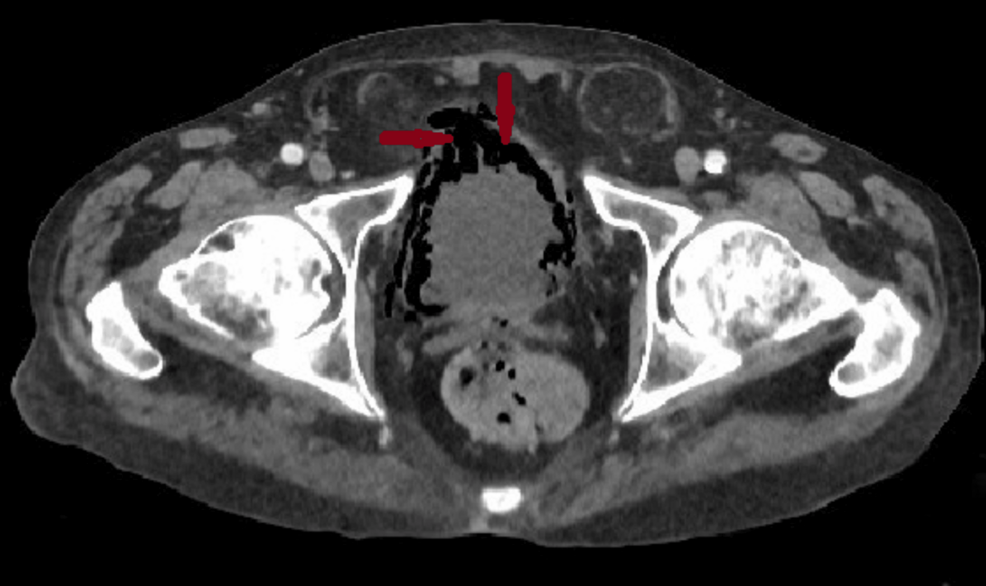
Emphysematous Cystitis With Extraperitoneal Bladder Perforation in a Frail Elderly Patient on Long-Term Corticosteroid Therapy Without Diabetes: A Critical Geriatric Case Study
A rare and severe medical condition involving emphysematous cystitis with extraperitoneal bladder perforation has been documented in a frail elderly individual undergoing long-term corticosteroid treatment, highlighting the complexities of managing chronic conditions in aging populations. The case, reported in a recent medical journal, underscores the risks associated with prolonged corticosteroid use and the need for vigilant monitoring in vulnerable patients.
Understanding the Condition: Emphysematous Cystitis and Bladder Perforation
Emphysematous cystitis is a rare form of urinary tract infection characterized by the presence of gas in the bladder wall, typically caused by gas-producing bacteria such as Escherichia coli or Proteus mirabilis. When this condition leads to an extraperitoneal bladder perforation—where the bladder wall ruptures without involving the abdominal cavity—it becomes a critical emergency requiring immediate intervention.
According to the World Health Organization (WHO), such cases are uncommon but carry significant mortality risks, particularly in immunocompromised or elderly patients. The presence of gas in the bladder, visible on imaging, is a key diagnostic indicator, often accompanied by symptoms like severe lower abdominal pain, hematuria (blood in urine), and fever.
Case Details: A Frail Elderly Patient on Corticosteroids
The patient, a 78-year-old woman with a history of chronic obstructive pulmonary disease (COPD) managed with long-term corticosteroid therapy, presented with acute abdominal pain and difficulty urinating. Initial imaging revealed gas within the bladder, and subsequent tests confirmed emphysematous cystitis with a bladder perforation. Notably, the patient did not have diabetes, a condition often linked to similar infections.
Medical records indicate that the patient had been on corticosteroids for over five years, a treatment commonly prescribed for inflammatory conditions. However, prolonged corticosteroid use is known to suppress immune function, increasing susceptibility to infections. Physicians involved in the case noted that the patient’s frailty and age further compounded her risk.
Why This Case Matters: Implications for Geriatric Care
This case highlights the growing challenge of managing polypharmacy and chronic conditions in elderly populations. As life expectancy increases, so does the prevalence of complex medical histories, including long-term use of immunosuppressive drugs like corticosteroids. The intersection of frailty, age, and medication use creates a unique risk profile that healthcare providers must address proactively.
Dr. Maria Lopez, a geriatrician at the National Institute on Aging, explained that “frailty is not just about age but about a combination of factors—physical, cognitive, and social—that make individuals more vulnerable. In this case, the combination of corticosteroid use and frailty created a perfect storm for a severe infection.”
The Role of Corticosteroids in Infection Risk
Corticosteroids, while effective for reducing inflammation, are known to impair the body’s ability to fight infections. A 2022 study published in the Journal of Clinical Endocrinology & Metabolism found that long-term corticosteroid use increases the risk of urinary tract infections (UTIs) by up to 40%. However, emphysematous cystitis remains a rare subset of UTIs, with only a few documented cases globally.
Experts caution that while corticosteroids are essential for conditions like COPD or autoimmune disorders, their use requires careful monitoring. “Providers must balance the benefits of these medications with the risks, especially in elderly patients who may already have compromised immune systems,” said Dr. James Carter, a infectious disease specialist.
Diagnosis and Treatment: A Race Against Time
Upon diagnosis, the patient was immediately admitted to the hospital for surgical intervention. A urologist performed a bladder repair, and the patient received a combination of antibiotics targeting gas-forming bacteria. Post-surgery, she required a urinary catheter and close monitoring for complications such as sepsis or recurrent infection.
Recovery was gradual, with the patient remaining in the hospital for two weeks. Follow-up imaging confirmed no residual gas in the bladder, and her renal function remained stable. However, her care team emphasized the importance of long-term monitoring for potential complications, such as bladder dysfunction or recurrent infections.
Challenges in Managing Frail Patients
Frailty is a critical factor in this case, as it often leads to delayed presentations of severe conditions. Frail patients may experience atypical symptoms, making diagnosis more challenging. In this instance, the patient’s reduced mobility and possible cognitive decline may have contributed to a delayed seek for medical attention.
Healthcare providers involved in the case noted that “frailty is a multidimensional syndrome that affects every aspect of care. It requires a holistic approach, including regular assessments of physical function, nutrition, and medication regimens.”
Broader Context: The Rising Burden of Geriatric Medicine
This case reflects a broader trend in modern healthcare: the increasing complexity of treating elderly patients with multiple comorbidities. According to the Centers for Disease Control and Prevention (CDC), nearly 80% of older adults have at least one chronic condition, and 50% have multiple. The use of polypharmacy—taking multiple medications—further complicates care, raising the risk of adverse drug interactions and complications.
Experts suggest that geriatric care models emphasizing interdisciplinary teams and personalized treatment plans are essential. “We need to move away from a one-size-fits-all approach and instead focus on individualized care that considers the patient’s overall health, preferences, and social context,” said Dr. Linda Nguyen, a geriatric care advocate.
Preventive Measures and Future Research
Preventing such cases requires a multifaceted approach. Regular screening for infections in patients on long-term corticosteroids, along with education about the signs of severe UTIs, could help in early detection
