
Indonesia Expands Energy Partnerships in Africa Amid Geopolitical Tensions
Indonesia has intensified its efforts to secure alternative energy supplies, turning to African oil markets as tensions in the Strait of Hormuz escalate. This strategic pivot reflects broader concerns about energy security and supply chain resilience, according to government officials and industry analysts. The shift comes amid heightened geopolitical risks in the Middle East, which have disrupted traditional trade routes and prompted nations to diversify their energy sources.
The Strategic Shift in Energy Policy
Indonesia’s move to bolster oil imports from Africa marks a significant departure from its historical reliance on Middle Eastern suppliers. According to a report from the Indonesian Ministry of Energy and Mineral Resources, the nation has increased its African oil imports by 18% in the first half of 2024 compared to the same period in 2023. This trend aligns with a broader strategy to reduce dependence on volatile regions and strengthen ties with emerging energy producers in Africa.
The decision follows a series of high-level meetings between Indonesian officials and African counterparts, including a recent delegation to Nigeria and Angola. These discussions focused on long-term partnerships, infrastructure investments, and the potential for joint exploration projects. “Africa represents a critical opportunity to diversify our energy portfolio,” said a senior ministry official, who requested anonymity due to the sensitivity of the negotiations.
Key Drivers of the Energy Realignment
Several factors have accelerated Indonesia’s energy diversification. The most immediate is the ongoing instability in the Strait of Hormuz, a vital chokepoint for global oil trade. Recent incidents, including the 2024 attacks on commercial vessels in the region, have underscored the risks of over-reliance on Middle Eastern supplies. Additionally, Indonesia’s growing energy demand, driven by industrial expansion and population growth, has outpaced domestic production, necessitating increased imports.
Geopolitical shifts have also played a role. The European Union’s gradual decoupling from Russian energy markets has created new opportunities for African oil to fill gaps in global supply chains. Indonesian officials have noted that African producers are increasingly prioritizing partnerships with non-traditional buyers, offering more favorable terms and long-term contracts.
Key Stakeholders and Partnerships
Indonesia’s energy strategy involves a complex web of stakeholders, including government agencies, private sector entities, and international partners. The Ministry of Energy and Mineral Resources oversees policy coordination, while state-owned enterprises like Pertamina play a central role in procurement and logistics. Private oil traders and international energy firms have also been drawn into the equation, offering expertise in market navigation and infrastructure development.
African nations such as Nigeria, Angola, and Gabon have emerged as primary partners. These countries possess significant untapped oil reserves and are eager to expand their global market share. For instance, Nigeria’s National Petroleum Corporation has reportedly entered preliminary talks with Indonesian investors to explore joint ventures in offshore drilling and refining. Similarly, Angola’s state-owned Sonangol has expressed interest in exporting crude oil to Indonesia, citing mutual economic benefits.
Challenges and Risks
Despite the opportunities, the shift to African oil is not without challenges. Infrastructure gaps in some African countries, including limited port capacity and aging transport networks, could hinder the efficiency of oil deliveries. Additionally, political instability in certain regions poses risks to long-term partnerships. For example, Nigeria’s ongoing security issues in the Niger Delta have raised concerns about the reliability of supply chains.
Economic factors also play a role. While African oil is often cheaper than Middle Eastern alternatives, transportation costs and fluctuating exchange rates can affect overall affordability. Indonesian analysts warn that the country must balance cost considerations with the need for stable, secure supplies. “Diversification is essential, but it must be managed carefully to avoid creating new vulnerabilities,” said Dr. Rina Wijaya, an energy economist at the Indonesian Institute of Sciences.
Implications for Global Energy Markets
Indonesia’s pivot to African oil could have far-reaching implications for global energy markets. By increasing demand from African producers, the country may help stabilize prices and reduce the market’s sensitivity to Middle Eastern disruptions. This shift could also encourage other nations to explore alternative suppliers, further diversifying the global energy landscape.
However, the move may also strain existing relationships with traditional suppliers. Middle Eastern countries, which have long been major exporters to Indonesia, could view the shift as a strategic threat. Analysts suggest that Indonesia must navigate these dynamics carefully to avoid diplomatic tensions. “While diversification is prudent, it’s important to maintain good relations with all partners,” said a senior analyst at the Asia-Pacific Energy Research Centre.
Broader Geopolitical Considerations
The energy realignment reflects broader geopolitical trends, including the growing influence of African nations in global energy markets. As African countries seek to reduce reliance on Western markets, they are increasingly turning to Asian partners like Indonesia, China, and India. This trend could reshape global trade routes and economic alliances, with potential implications for energy security in the Asia-Pacific region.
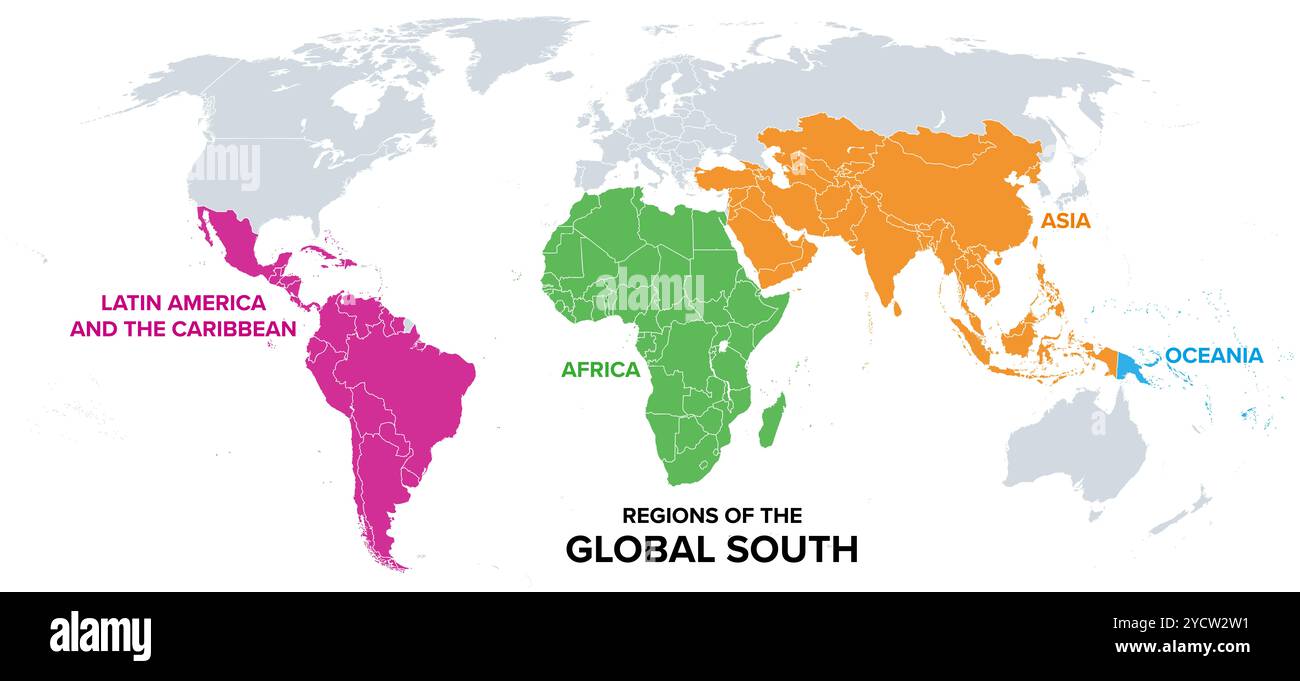
Indonesia’s strategy also aligns with its broader foreign policy goals. By strengthening ties with African nations, the country aims to enhance its diplomatic influence and secure strategic partnerships. This approach mirrors similar moves by other emerging economies, such as Brazil and India, which have also sought to expand their global energy networks.
Reactions and Expert Perspectives
The shift has drawn mixed reactions from industry experts and policymakers. While some praise Indonesia’s proactive approach, others caution against overreliance on any single region. “Diversification is a smart move, but it’s important to maintain a balanced portfolio,” said Dr. Arif Hidayat, a political analyst at the University of Indonesia. “Relying too heavily on Africa could expose Indonesia to new risks, especially if regional instability persists.”
International observers have also taken note. The International Energy Agency (IEA) highlighted the potential for Indonesia’s strategy to contribute to global energy stability. “By tapping
