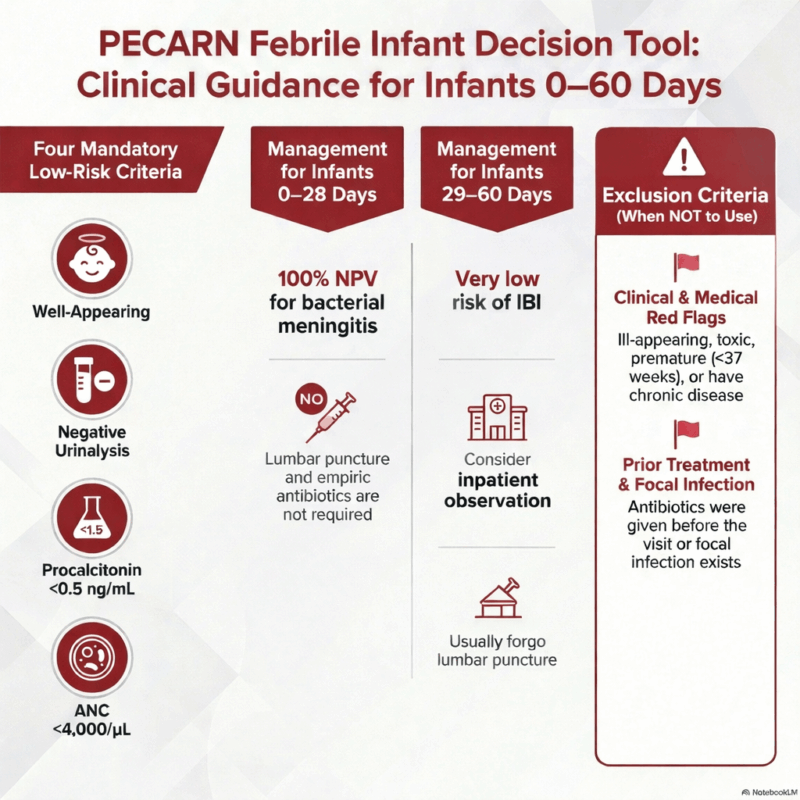
Understanding the Prevalence of Bacterial Infections in Infants with Fever
Approximately 10% of infants presenting with fever in emergency departments are diagnosed with a bacterial infection, according to a 2023 analysis by the Centers for Disease Control and Prevention (CDC). This statistic underscores the critical need for rapid and accurate diagnostic protocols to differentiate between viral and bacterial causes of fever in young children.
What Are the Common Bacterial Infections Linked to Fever in Infants?
Infants under three months old are particularly vulnerable to severe bacterial infections, with Escherichia coli (E. coli) and Group B Streptococcus (GBS) being the most frequently identified pathogens. A 2022 study published in the Journal of Pediatrics found that 7% of neonates with fever tested positive for E. coli, while 4% had GBS. These infections can progress rapidly, leading to sepsis, meningitis, or respiratory failure if untreated.
Other common bacterial causes include Staphylococcus aureus and Streptococcus pneumoniae, which are more prevalent in infants between three and 12 months. These pathogens often present with overlapping symptoms, making clinical differentiation challenging without laboratory testing.
Key Factors Influencing Bacterial Infection Rates
- Age: Neonates (under 28 days) face the highest risk due to underdeveloped immune systems.
- Geographic Location: Regions with limited access to vaccines or healthcare services report higher infection rates.
- Immune Status: Infants with congenital or acquired immunodeficiencies are at greater risk.
How Are Bacterial Infections Diagnosed in Febrile Infants?
Healthcare providers rely on a combination of clinical evaluation, blood tests, and urine analysis to identify bacterial infections. A 2021 guideline from the American Academy of Pediatrics (AAP) emphasizes the use of procalcitonin (PCT) levels as a biomarker for bacterial infection. Elevated PCT levels above 2 ng/mL are strongly associated with bacterial etiology, though the test is not definitive on its own.
Additionally, blood cultures remain the gold standard for diagnosing bloodstream infections. However, results can take 24–48 hours, delaying targeted treatment. Rapid molecular tests, such as polymerase chain reaction (PCR) assays, are increasingly used to detect specific pathogens within hours.
Diagnostic Challenges and Overuse of Antibiotics
Despite advancements, diagnosing bacterial infections in infants remains complex. A 2023 report by the World Health Organization (WHO) noted that up to 30% of febrile infants in low-resource settings receive unnecessary antibiotics due to limited diagnostic tools. This overuse contributes to antimicrobial resistance, a growing global health threat.
Conversely, under-treatment can lead to severe complications. The CDC recommends a “wait-and-see” approach for infants older than 28 days with no alarming symptoms, but close monitoring is essential. Parents are advised to seek immediate care if an infant exhibits lethargy, poor feeding, or a bulging fontanelle.
Why This Issue Matters for Parents and Healthcare Providers
The prevalence of bacterial infections in febrile infants has significant implications for public health policy and clinical practice. In the U.S., the CDC estimates that 150,000 infants annually present to emergency departments with fever, with 10–15% requiring hospitalization. Similar trends are observed in Europe and Asia, though regional variations exist due to differences in healthcare infrastructure and vaccination coverage.
For parents, understanding the risks and signs of bacterial infections is crucial. Dr. Maria Lopez, a pediatric infectious disease specialist at Johns Hopkins Hospital, emphasizes, “Fever in infants is never a minor concern. Even a slight temperature elevation can signal a serious infection, especially in the first few months of life.”
Impact on Healthcare Systems
The management of febrile infants places a significant burden on healthcare systems. A 2022 study in Health Affairs found that
