Iran Updates: U.S. will hit Iran “hard” again after “playing us for suckers,” Trump says – CBS News
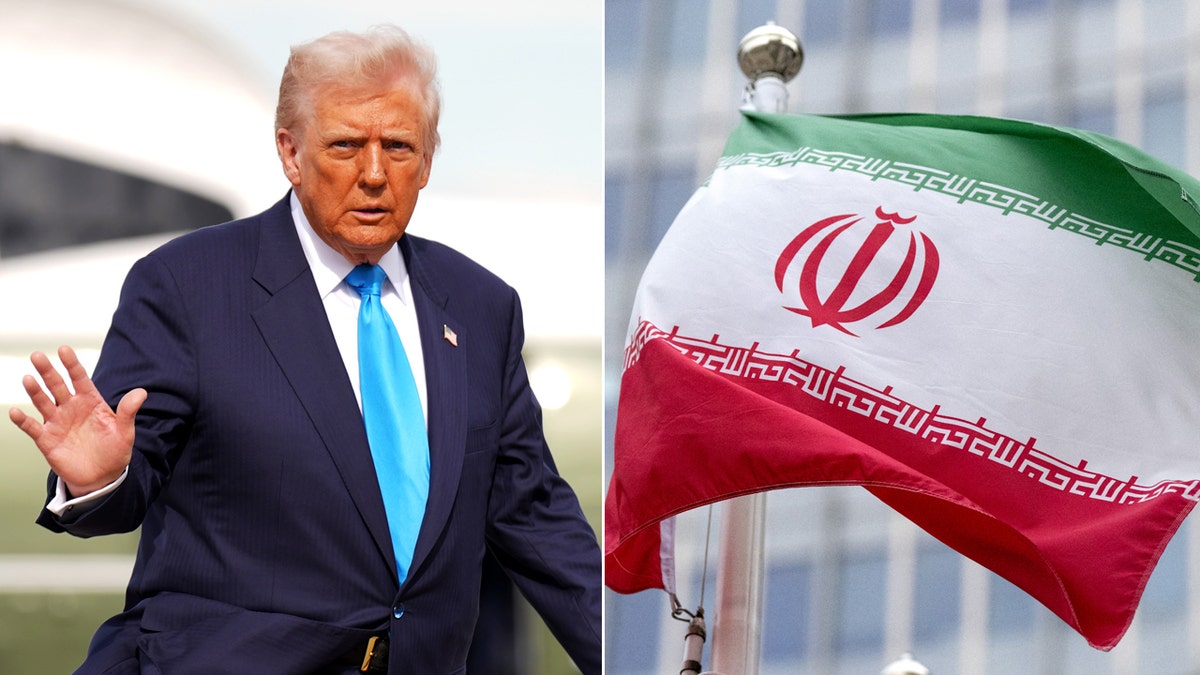
Former President Donald Trump stated the U.S. will hit Iran “hard” again, claiming Tehran “played us for suckers,” according to CBS News. This escalation follows reports from NBC News of fresh attacks by both nations and an AP News report that the U.S. military fired on an Iranian oil tanker.
Why is the U.S. threatening to hit Iran “hard” again?
The current surge in tension stems from a perceived diplomatic failure and a series of tactical military engagements. According to CBS News, Donald Trump asserted that the United States will return to a hardline military stance because Iran “played us for suckers.” This rhetoric suggests a belief that previous diplomatic overtures or strategic pauses were exploited by Tehran to regain leverage.
Adding to this friction, Axios reports that Trump “boiled over” specifically after Tehran kept him waiting during diplomatic interactions. This personal frustration appears to have accelerated the shift toward more aggressive public vows. CNN has further reported that Trump vowed to launch attacks against Iran “today,” signaling a move from strategic threats to immediate operational intent.
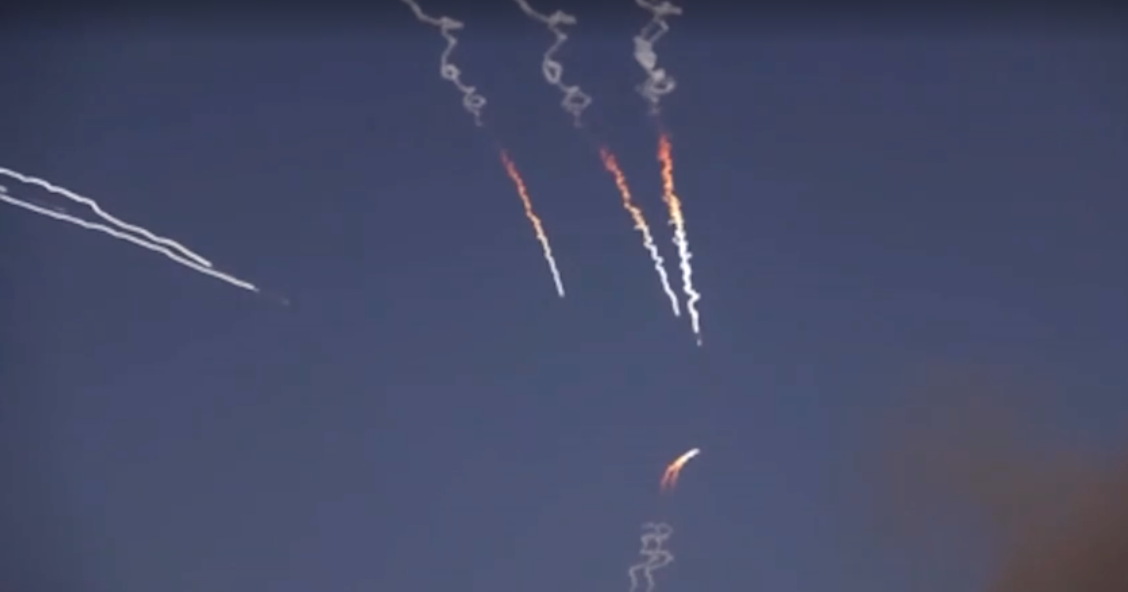
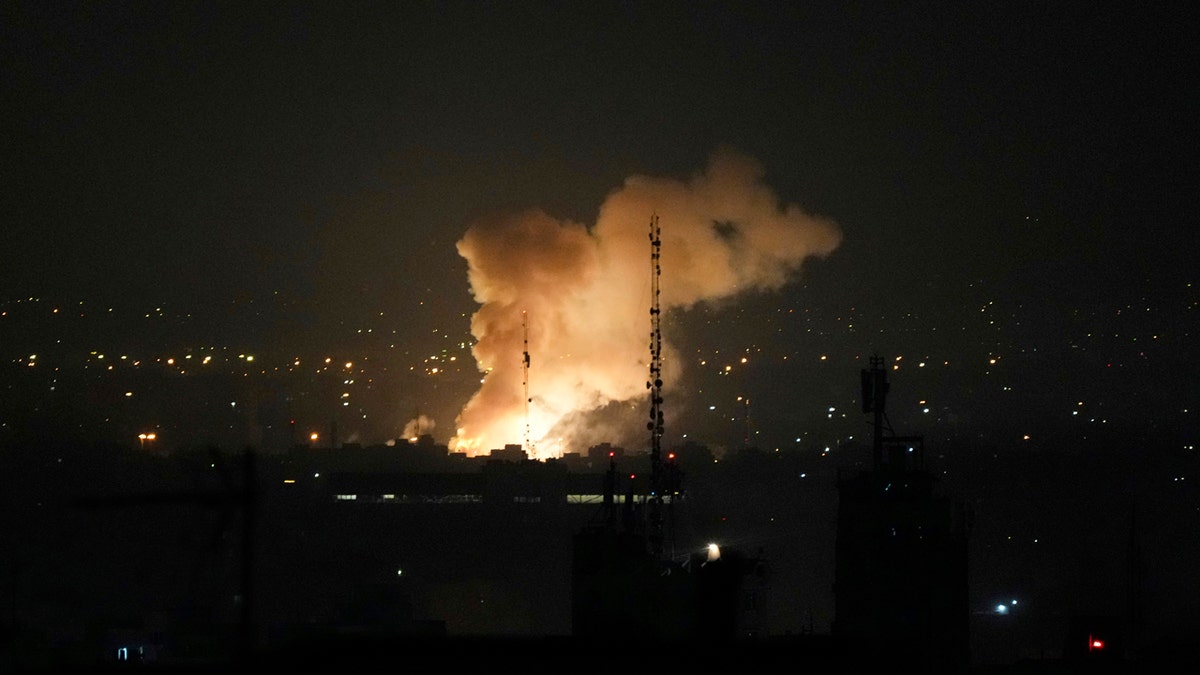
The situation is not merely rhetorical. NBC News reports that both the U.S. and Iran have already launched “fresh attacks” against one another. These exchanges create a feedback loop where each strike justifies the next, moving the conflict from a cold war of sanctions to active kinetic engagement.
“U.S. will hit Iran ‘hard’ again after ‘playing us for suckers,'” Trump said, according to CBS News.
What military actions have been confirmed in the latest Iran updates?
While the rhetoric focuses on future strikes, concrete military action has already occurred. The AP News reports that the U.S. military fired on a tanker attempting to transport oil from Iran. This action targets Iran’s primary economic lifeline—its petroleum exports—which are heavily restricted by international and U.S. sanctions.
The targeting of oil tankers serves a dual purpose. First, it disrupts the flow of capital to the Iranian government. Second, it demonstrates U.S. naval dominance in critical waterways, such as the Strait of Hormuz, where most Iranian oil transits. By firing on a tanker, the U.S. military transitioned from monitoring sanctions violations to active interdiction.
The broader combat picture, as described by NBC News, involves “fresh attacks” from both sides. While specific targets for these attacks were not detailed in the immediate updates, the symmetry of the strikes indicates a high level of volatility. The combination of naval interdiction and direct attacks suggests a multi-domain conflict involving both sea and land/air assets.
Summary of Recent Escalations
- Rhetorical Shift: Trump claims the U.S. was “played for suckers” (CBS News).
- Diplomatic Breakdown: Trump expressed anger after Tehran delayed communications (Axios).
- Naval Engagement: U.S. military fired on an Iranian oil tanker (AP News).
- Direct Combat: Both nations launched “fresh attacks” (NBC News).
- Immediate Threats: Trump vowed to attack Iran “today” (CNN).
How do different news outlets frame the U.S.-Iran conflict?
The reporting on this escalation reveals a contrast in focus across major news organizations. Some outlets emphasize the psychological and personal drivers of the conflict, while others focus on tactical military movements.

| News Outlet | Primary Focus of Reporting | Key Narrative Angle |
|---|---|---|
| CBS News | Trump’s rhetoric | Perception of being “played” or deceived by Tehran. |
| Axios | Diplomatic friction | Personal frustration over Tehran’s delays. |
| NBC News | Active combat | The cycle of “fresh attacks” from both sides. |
| AP News | Tactical military action | The specific strike on an Iranian oil tanker. |
| CNN | Imminence of action | The vow to attack “today.” |
This divergence shows that the conflict is being fought on three levels simultaneously: the psychological level (Axios), the political level (CBS News), and the kinetic level (AP and NBC News). For a reader seeking a complete picture, the combination of these reports indicates that the U.S. is employing a “maximum pressure” strategy that blends economic warfare with direct military strikes.
Why does the targeting of oil tankers matter?
The report from AP News regarding the firing on an oil tanker is a critical detail. Iran’s economy is heavily dependent on oil exports. Because the U.S. has imposed strict sanctions to prevent the sale of Iranian crude, Tehran often uses “ghost fleets”—tankers that turn off their transponders and use deceptive shipping practices—to move oil to buyers, primarily in Asia.
By firing on these vessels, the U.S. military is not just stopping a shipment; it is increasing the risk and cost for any entity willing to trade with Iran. This creates a “chilling effect” on the market. If tankers are subject to military fire, insurance rates for ships in the region spike, and shipping companies may refuse to enter Iranian waters.
This tactical move aligns with the broader strategy of hitting Iran “hard,” as mentioned in the CBS News report. It moves the conflict from the political sphere into the economic sphere, targeting the Iranian government’s ability to fund its military and regional proxies.
For more on the geopolitical stakes, see a related explainer on Middle East oil corridors.
The role of diplomatic delays in military escalation
The report from Axios that Trump “boiled over” after Tehran kept him waiting provides insight into the volatility of the current situation. In high-stakes diplomacy, timing is often used as a tool of power. By delaying a response or a meeting, a government can signal indifference or attempt to force the other party into making concessions out of impatience.
In this instance, the delay appeared to backfire. Rather than gaining leverage, Tehran’s hesitation triggered a reactive shift in U.S. posture. This suggests that the current U.S. approach is highly sensitive to perceived slights or signs of weakness. When combined with the claim that the U.S. was “played for suckers,” it becomes clear that the drive toward military action is partially fueled by a desire to re-establish a position of strength.
Key Drivers of the Current Tension
- Perceived Deception: The belief that diplomatic gestures were not reciprocated in good faith.
- Timing as a Weapon: The use of delays by Tehran to signal power, which triggered U.S. anger.
- Economic Interdiction: The use of military force to stop sanctioned oil exports.
- Tit-for-Tat Violence: The cycle of “fresh attacks” that makes de-escalation difficult.
What are the potential implications of “hitting Iran hard”?
The vow to hit Iran “hard” again, as reported by CBS News and CNN, carries several immediate and long-term risks. First, there is the risk of a full-scale regional war. Iran has a history of responding to U.S. strikes by targeting U.S. bases in Iraq or Syria, or by utilizing proxies in the region.
Second, the focus on oil tankers could lead to a broader disruption of the Strait of Hormuz. Roughly one-fifth of the world’s total oil consumption passes through this narrow waterway. If Iran responds to the tanker strikes by mining the strait or attacking foreign vessels, global oil prices would likely surge, causing economic instability worldwide.
Third, the “fresh attacks” mentioned by NBC News suggest that the threshold for military engagement has already dropped. When both sides are actively striking one another, a single miscalculation—such as a missile hitting a civilian target or a high-ranking official—could trigger a conflict that neither side can easily exit.
The U.S. strategy appears to be one of “calculated escalation,” where the goal is to force Iran to the negotiating table by making the cost of defiance unbearable. However, as the Axios report suggests, this strategy is currently being driven by a volatile mix of tactical objectives and personal frustration.
Common misconceptions about U.S.-Iran tensions
One common misconception is that these tensions are solely about nuclear weapons. While the nuclear program remains a core issue, the current “Iran Updates” highlight other primary drivers: economic sanctions enforcement (the tanker strike) and diplomatic prestige (the “suckers” comment and the delays reported by Axios).
Another misconception is that the U.S. is only using sanctions. The report from AP News proves that the U.S. is employing kinetic military force to enforce those sanctions. This is a significant escalation from legal or financial penalties to active naval warfare.
Finally, some may view the “fresh attacks” as isolated incidents. However, when viewed alongside the vows to hit Iran “hard” and the targeting of economic assets, these events appear to be part of a coordinated campaign to destabilize the Iranian government’s current posture.
To understand the broader history of these sanctions, read a related explainer on U.S. economic warfare.
Frequently Asked Questions
What did Trump mean by saying the U.S. was “played for suckers”?
According to CBS News, this phrase refers to Trump’s belief that Iran took advantage of U.S. diplomatic efforts or strategic restraint without providing reciprocal concessions, leading to a decision to return to a “hard” military approach.
Did the U.S. military actually attack an Iranian ship?
Yes. AP News reports that the U.S. military fired on a tanker that was attempting to transport oil from Iran, targeting the country’s economic ability to bypass sanctions.
Why is Axios reporting that Trump “boiled over”?
Axios reports that Trump became extremely angry because Tehran kept him waiting during diplomatic processes, suggesting that the delay was viewed as a sign of disrespect or a tactical ploy by Iran.
Are there active attacks happening right now?
NBC News has reported that both the U.S. and Iran have launched “fresh attacks” against each other, indicating an active and ongoing cycle of military engagement.
When did Trump vow to attack Iran again?
According to CNN, Trump vowed to attack Iran “today,” emphasizing the imminence of the threatened military action.
The current trajectory of U.S.-Iran relations is defined by a shift away from diplomacy and toward active military and economic interdiction. With the U.S. military targeting oil tankers and both sides engaging in “fresh attacks,” the window for a peaceful resolution is narrowing. The focus now remains on whether the vow to hit Iran “hard” will manifest in a concentrated campaign or a series of sporadic, retaliatory strikes.
