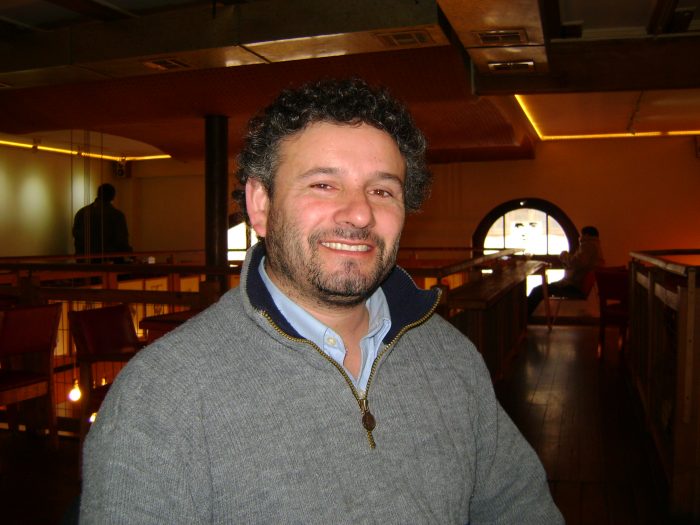
A former head of Chile’s National Fisheries and Aquaculture Service (Sernapesca) has been arrested as part of a sweeping crackdown on illegal fishing, shifting from the role of enforcer to a key player within a criminal network. The downfall of the former official serves as the center-piece of a wider investigation into systemic corruption involving the very authorities tasked with protecting marine resources.
- Operation Name: Operación Nereida
- Total Arrests: 54 individuals
- Key Suspects: Former Sernapesca chief, public officials, and carabineros (police)
- Estimated Revenue: Nearly 9 billion pesos
- Primary Target: Illegal commercialization of hydrobiological resources in Valdivia and surrounding regions
Inside Operación Nereida
The crackdown, titled Operación Nereida, was executed by the PDI (Investigative Police) to dismantle a sophisticated organization dedicated to the illegal trade of hydrobiological resources. While the operation centered on activities in Valdivia, the scope was interregional, targeting a coordinated effort to bypass fishing regulations for profit.
According to local media reports, the investigation revealed a network that did not merely evade the law but integrated it. The ring allegedly utilized the influence of public officials and members of the carabineros to facilitate its operations, creating a shield of institutional protection for its illegal activities.
The Scale of the Criminal Network
The financial stakes of the operation were immense. Reports indicate the network generated nearly 9 billion pesos in revenue through its illicit trade. The scale of the enterprise required a high level of coordination, blending criminal logistics with official government oversight to move resources undetected.
The PDI’s efforts resulted in the detention of 54 people. This number includes not only the operators of the illegal fishing vessels but also the government employees and police officers who allegedly enabled the scheme. The arrest of the former Sernapesca chief highlights a dramatic reversal of roles, as the individual previously responsible for pursuing illegal fishing was found to be integrated into the criminal structure.
