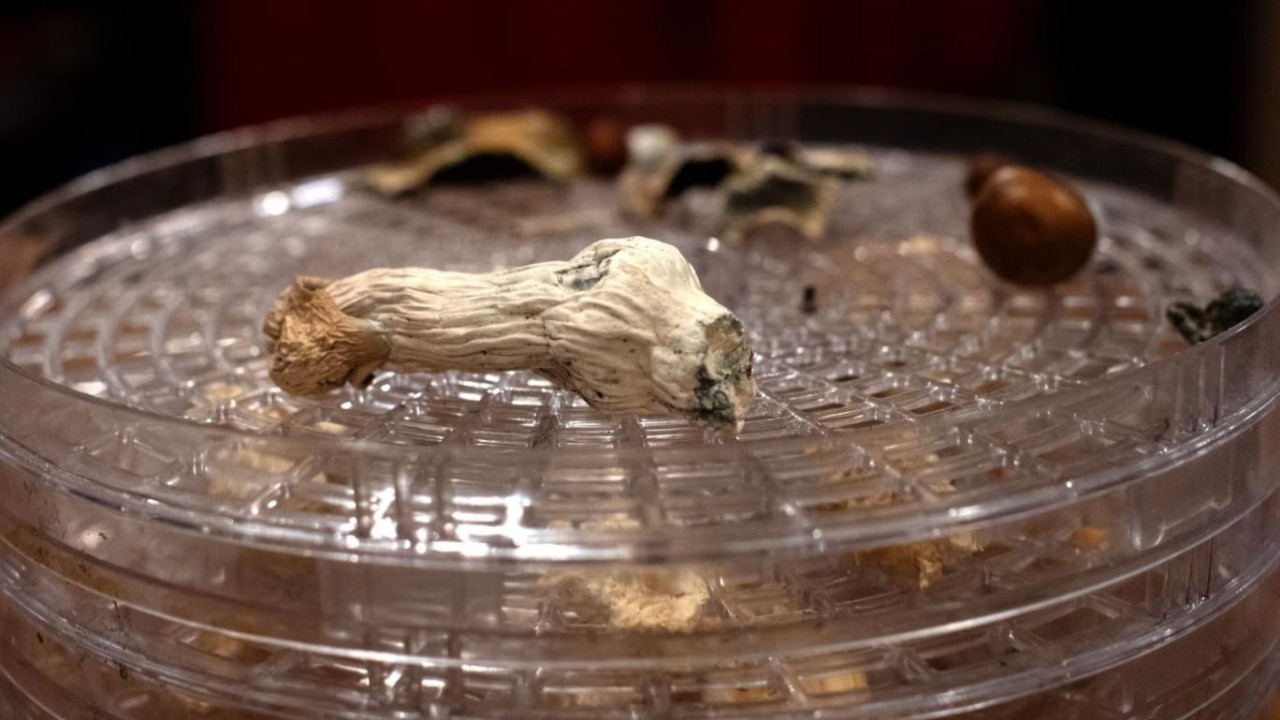
A woman with advanced Alzheimer’s disease has reportedly regained her ability to speak and remember after the use of a substance derived from hallucinogenic mushrooms. This unusual case, described as a discovery that has surprised the scientific community, suggests that certain compounds found in “magic mushrooms” may be capable of reversing symptoms of advanced dementia.
- Speech and Memory Recovery: A female patient with Alzheimer’s regained lost communication and memory functions.
- Active Compound: The improvement is attributed to a specific substance found in hallucinogenic mushrooms.
- Symptom Reversal: The research indicates a potential to reverse symptoms in cases of advanced dementia.
How the Treatment Impacted the Patient
According to research reports, a woman suffering from Alzheimer’s disease began speaking again after the administration of a hallucinogenic mushroom-based substance. The intervention reportedly allowed her to recover speech and memory abilities that had been lost to the progression of the disease.
While Alzheimer’s is typically characterized by a steady decline in cognitive function, this case is being highlighted because the patient regained abilities previously considered lost, offering new hope for the treatment of the deadly condition.
The Use of Hallucinogenic Substances in Dementia Care
The research focuses on a specific substance found in what are commonly known as “magic mushrooms.” Rather than treating the disease with traditional pharmaceutical approaches, this study explored the effects of hallucinogenic compounds on the brain’s ability to function despite advanced dementia.
Reports characterize the findings as a “discovery that surprised the scientific world,” noting that the research managed to reverse symptoms of a disease that is generally viewed as irreversible in its advanced stages.
Current Understanding and Limitations
Researchers describe this as an unusual study, suggesting that the results are outlier events rather than a standardized cure. While the recovery of speech and memory in this specific patient is a significant observation, the findings are presented as a source of hope rather than a widely available medical protocol.
Because the reports focus on a specific case and an “unusual” study, the broader applicability of this treatment to all Alzheimer’s or dementia patients remains unconfirmed.
