
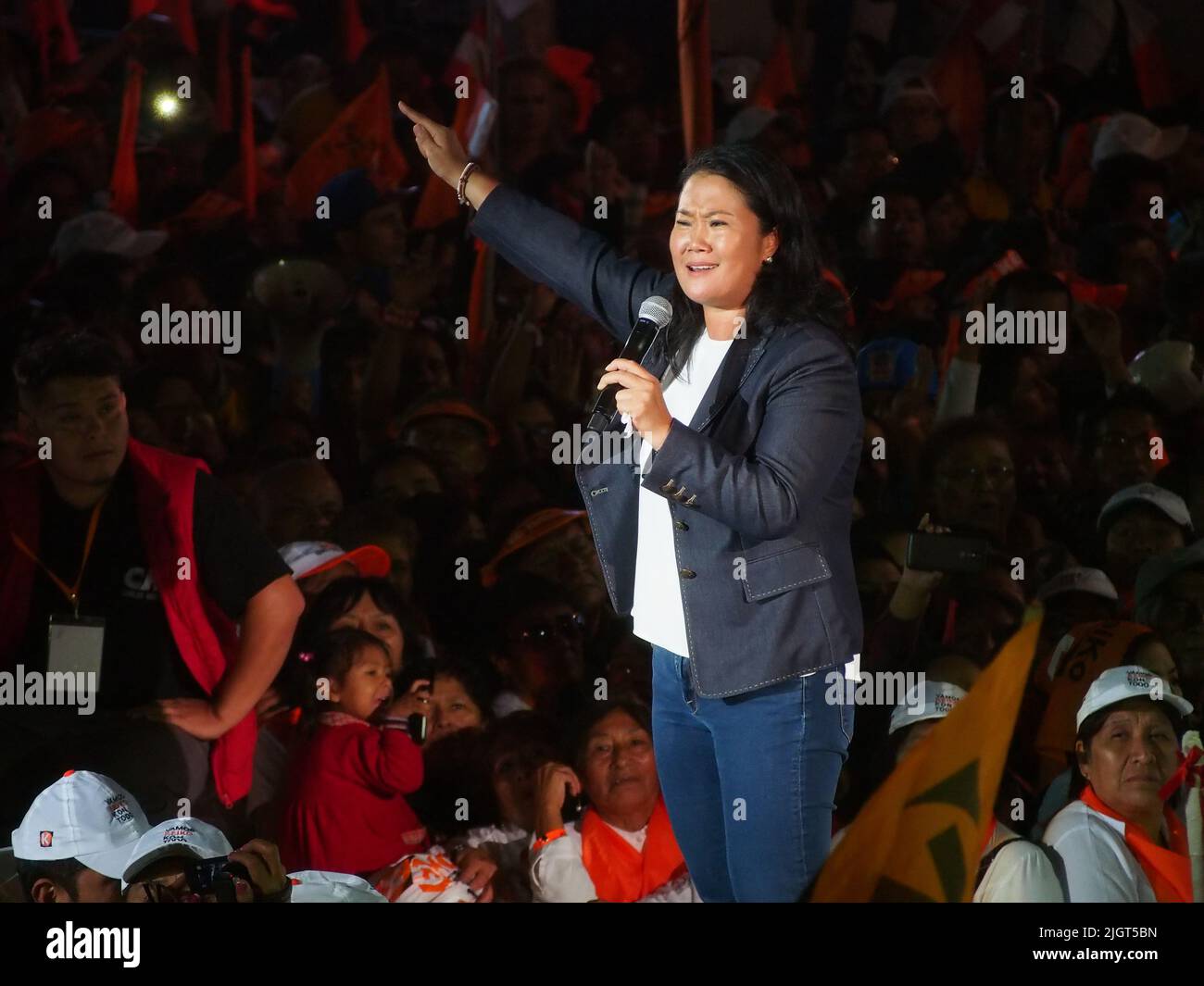
Peru is holding a presidential runoff election this Sunday, June 7, to choose between right-wing candidate Keiko Fujimori and left-wing candidate Roberto Sánchez. Local reports describe the race as a technical tie, marked by extreme political polarization and a general lack of public support for both contenders.
- Election Date: Sunday, June 7
- Candidates: Keiko Fujimori (Right) and Roberto Sánchez (Left)
- Current Standing: Technical tie
- Primary Context: High polarization and systemic political instability
A Polarized Electorate in a Technical Tie
Voting began calmly across Peru for an election that local media reports characterize as the most polarized in the country’s recent history. The contest has narrowed down to two ideological opposites: the right-wing Fujimori and the left-wing Sánchez. According to current polling and media analysis, the two candidates have entered the runoff in a technical tie, leaving the final outcome uncertain.
Public Discontent and Candidate Rejection
While the runoff will definitively name the next president, the process is overshadowed by a widespread lack of enthusiasm for the finalists. Reports indicate that the election is being defined by a general rejection of both Fujimori and Sánchez, suggesting that a significant portion of the electorate feels unrepresented by either candidate.
Parliamentary Tension and the “Vacancia” Factor
The election takes place against a backdrop of chronic governmental instability. A central driver of this volatility is the relationship between the executive branch and the Parliament. Local reports highlight the role of “vacancia”—the constitutional mechanism used to remove a president from office—as a key factor in the nation’s ongoing political fragility.
The outcome of Sunday’s vote will determine who leads the country, but the winner will inherit a political environment where the Parliament holds significant power to disrupt presidential terms.
