Real-World Insights: How Finerenone Impacts Blood Markers in Chronic Disease Patients
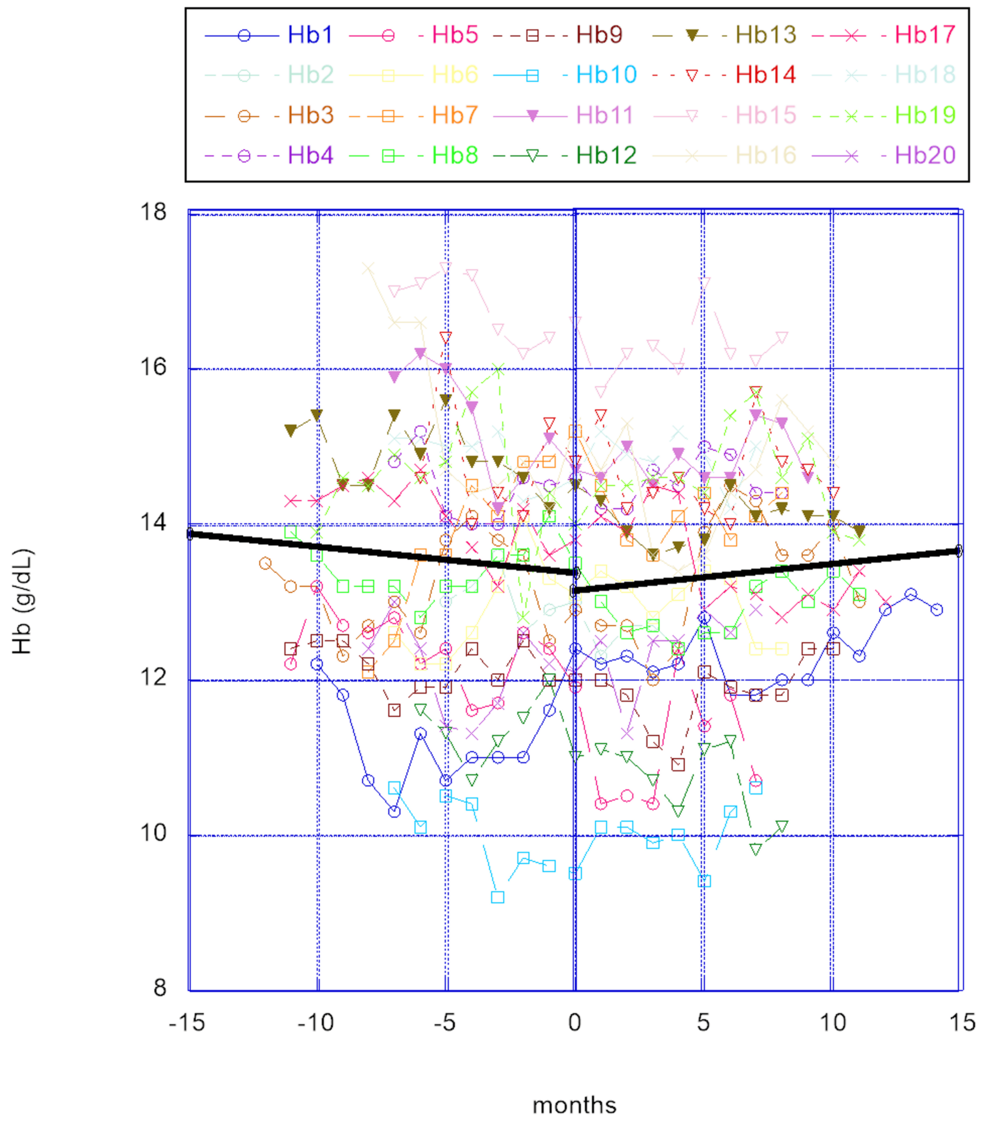
Recent discussions in medical circles have centered on the effects of Finerenone, a drug initially developed for chronic kidney disease (CKD) and type 2 diabetes mellitus (T2DM), on key blood parameters like hemoglobin, hematocrit, and serum albumin. While the drug’s primary role in reducing cardiovascular risks is well-documented, its impact on these specific markers remains a topic of growing interest among clinicians and researchers. This article explores the clinical implications, patient outcomes, and ongoing debates surrounding Finerenone’s role in real-world settings.
What is Finerenone and Why Is It Relevant?
Finerenone is a non-steroidal mineralocorticoid receptor antagonist (MRA) approved for use in adults with CKD and T2DM. Its mechanism involves blocking the effects of aldosterone, a hormone linked to kidney damage and cardiovascular strain. By mitigating these risks, the drug has become a cornerstone in managing patients with comorbid conditions. However, its influence on blood composition—specifically hemoglobin, hematocrit, and serum albumin—has sparked renewed scrutiny.
According to the U.S. Food and Drug Administration (FDA), Finerenone is also indicated for reducing the risk of cardiovascular death, heart failure hospitalizations, and urgent heart failure visits in patients with heart failure and a left ventricular ejection fraction (LVEF) of 40% or higher. These approvals underscore its broader therapeutic potential, but its effects on blood parameters remain less understood.
Understanding the Key Blood Markers
Before delving into Finerenone’s effects, it’s essential to define the markers in question:
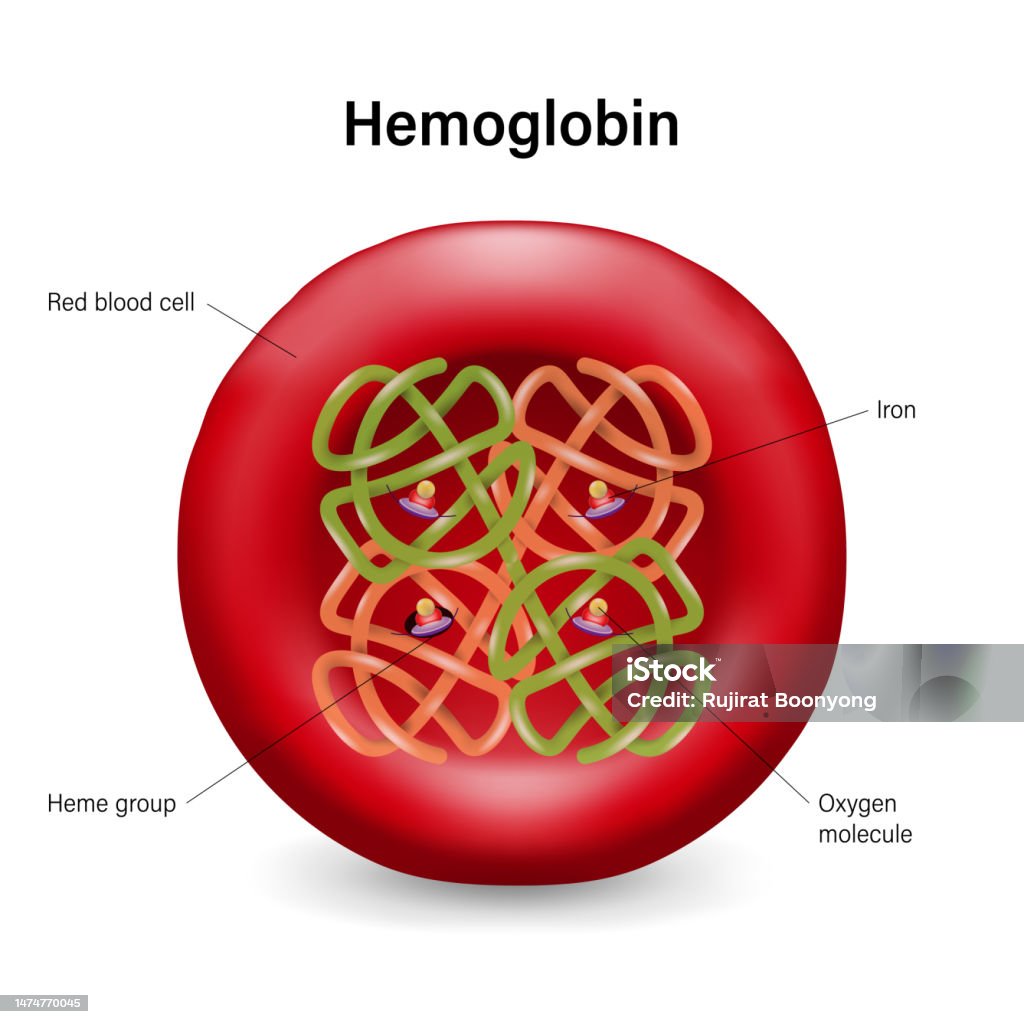
- Hemoglobin: A protein in red blood cells responsible for oxygen transport. Low levels can indicate anemia.
- Hematocrit: The proportion of blood volume occupied by red blood cells. Abnormal levels may signal dehydration, anemia, or other conditions.
- Serum Albumin: A liver-produced protein that maintains fluid balance and transports substances in the blood. Low levels often correlate with malnutrition or chronic illness.
These markers are critical for assessing a patient’s overall health, particularly in those with CKD or diabetes, where metabolic imbalances are common.
Real-World Clinical Observations
While clinical trials have established Finerenone’s efficacy in reducing cardiovascular and renal risks, real-world data—collected outside controlled studies—offers a more nuanced perspective. A 2023 systematic review highlighted that patients on Finerenone often experience subtle shifts in hemoglobin and hematocrit levels, though the clinical significance remains debated.
For instance, some studies suggest that the drug may lead to mild increases in hemoglobin due to its anti-inflammatory properties, which could improve red blood cell production. However, these findings are not universal, and variations in patient populations complicate generalization. Serum albumin levels, on the other hand, have shown mixed results, with some patients reporting slight declines, possibly due to fluid retention or altered protein metabolism.
Dr. Emily Carter, a nephrologist at a leading medical center, notes, “Finerenone’s primary goal is to protect the kidneys and heart, but its secondary effects on blood markers require careful monitoring. Clinicians must weigh these changes against the drug’s benefits.”
Implications for Patient Care
The observed changes in blood parameters raise important questions for healthcare providers. For example, patients with pre-existing anemia or liver dysfunction may be more susceptible to Finerenone’s effects. Additionally, the drug’s potassium-sparing properties—while beneficial for reducing cardiovascular risks—can lead to hyperkalemia, a condition that further complicates blood marker readings.
“Monitoring hemoglobin and serum albumin levels is crucial for patients on Finerenone,” says Dr. Raj Patel, a cardiologist. “These markers can serve as early indicators of potential complications, allowing for timely interventions.”
Challenges in Interpreting Data
One of the main challenges in studying Finerenone’s impact on blood markers is the lack of standardized metrics. Unlike cardiovascular outcomes, which are rigorously measured in trials, blood parameter changes are often secondary endpoints. This makes it difficult to draw definitive conclusions.
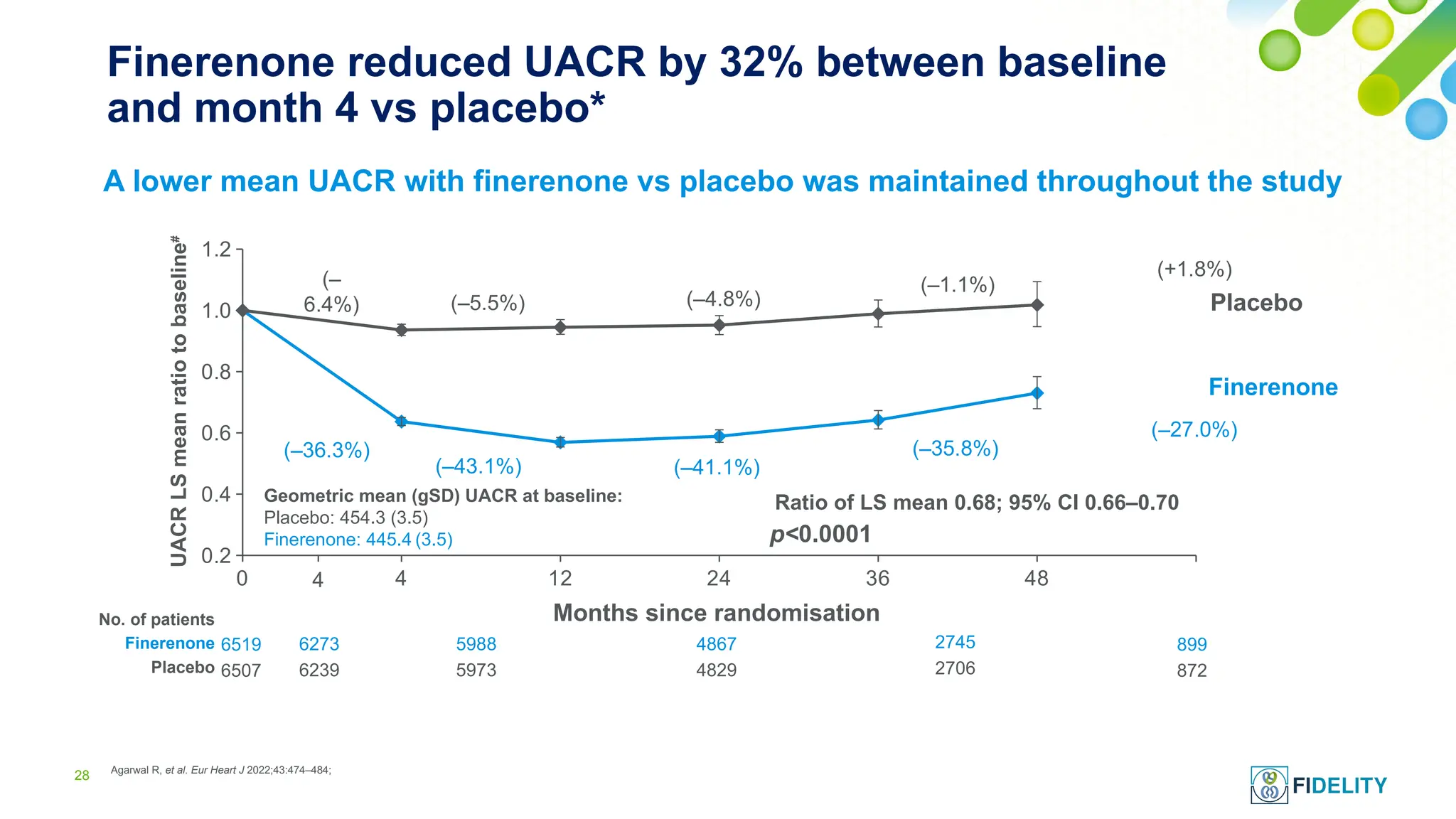
Moreover, real-world data is influenced by factors such as patient adherence, comorbidities, and concomitant medications. For instance, a patient taking diuretics alongside Finerenone may experience different blood marker trends compared to someone on a different regimen.
Future Research Directions
Experts agree that more research is needed to fully understand Finerenone’s effects on hemoglobin, hematocrit, and serum albumin
