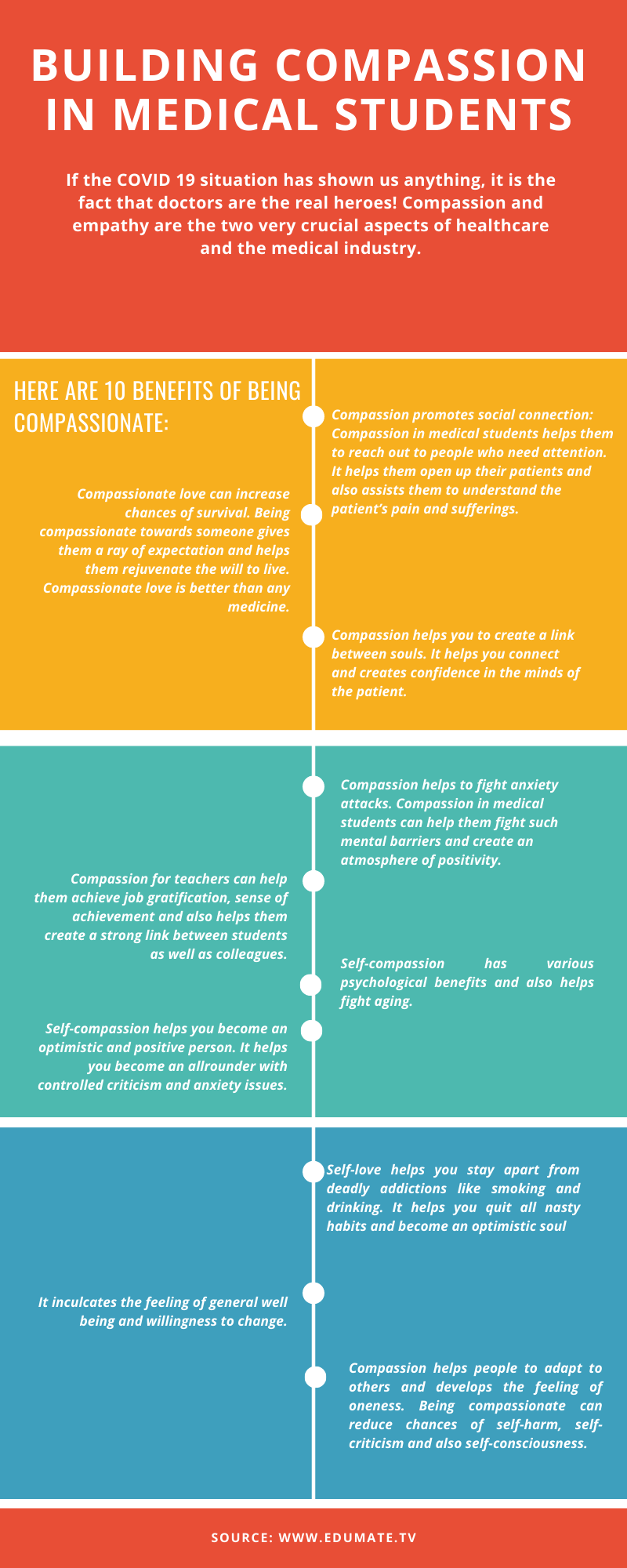
Modern medical education often prioritizes technical proficiency over the human connection, leading to a perceived dehumanization of patient care. A proposal for the formal teaching of compassion in medicine suggests that the ability to alleviate suffering is a professional skill that can—and should—be taught to medical students to improve both patient outcomes and physician well-being.
Compassion vs. Empathy: A Critical Distinction
A central argument in the push for revised medical curricula is the distinction between empathy and compassion. While these terms are often used interchangeably, they represent different psychological and professional responses to suffering.
Empathy is described as the ability to feel what another person feels. While valuable, empathy alone can lead to emotional exhaustion or “empathic distress” for the provider, as they absorb the patient’s pain without a clear path toward resolution.
Compassion, by contrast, is defined as the emotional response to another’s suffering combined with an authentic desire to alleviate that suffering. According to the commentary, compassion is an active process that transforms the feeling of empathy into a purposeful, helpful action.
The Risk of Technical Dehumanization
The current structure of medical training frequently emphasizes the “science” of medicine—diagnostics, pharmacology, and surgical precision—at the expense of the “art” of healing. This imbalance can create a clinical environment where patients are viewed as sets of symptoms or biological puzzles rather than whole human beings.
This trend toward technical dehumanization does not only affect the patient. The author argues that when physicians are trained to detach emotionally to maintain efficiency, they are more susceptible to burnout. By stripping away the human element of the profession, the practice of medicine can become a repetitive technical exercise, eroding the intrinsic rewards and meaning that originally drew many students to the field.
Can Compassion Be Taught as a Skill?
A common misconception in healthcare is that compassion is an innate personality trait—that a doctor is either “born with it” or they are not. The plea for educational reform challenges this notion, asserting that compassion is a competency that can be developed, practiced, and refined.

Compassion is not a natural gift bestowed upon a few, but a professional skill that can be acquired through training, reflection, and intentional practice.
Integrating compassion into medical school means moving beyond simple “bedside manner” tips. It involves formal training in active listening, the recognition of patient vulnerability, and the development of emotional intelligence. By treating compassion as a core clinical skill, institutions can ensure that all graduates—regardless of their natural disposition—possess the tools to provide humane care.
Impact on Patient and Provider Health
The argument for teaching compassion is not merely moral, but clinical. The relationship between a physician and a patient is a therapeutic tool in its own right. When patients feel truly seen and understood, the benefits include:
- Increased Trust: Patients are more likely to be honest about their symptoms and adhere to treatment plans when they trust their provider.
- Improved Outcomes: The reduction of patient anxiety through compassionate care can lead to better physiological responses and faster recovery times.
- Physician Resilience: Shifting from empathy (feeling pain) to compassion (acting to help) protects the provider from emotional burnout by providing a sense of agency and purpose.
Ultimately, the call for the teaching of compassion suggests that the goal of medicine is not simply the absence of disease, but the holistic care of the person. Formalizing this training is presented as a necessary step to restore the human heart to the center of healthcare.
