
WHO hands over medical supplies to Zambia for Ebola prevention – Global Times
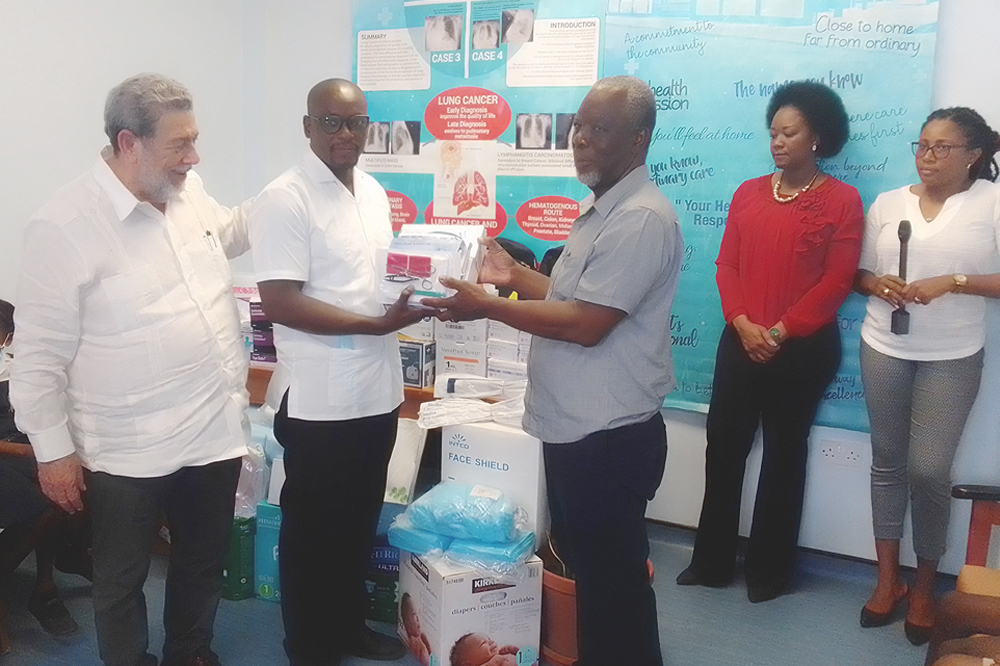
The World Health Organization (WHO) has delivered essential medical supplies to Zambia to bolster the nation’s defenses against Ebola. This strategic move comes as Zambia intensifies its health surveillance following reports from the Club of Mozambique that two suspected cases of the virus recently tested negative, prompting a surge in screening efforts across the country.
What are the details of the WHO medical supply handover?
According to reports from the Global Times, the World Health Organization has officially handed over medical supplies to the Zambian government. While the specific inventory of the shipment was not detailed, such handovers typically focus on strengthening the capacity of local health systems to detect, isolate, and treat potential outbreaks of viral hemorrhagic fevers.
The delivery is part of a broader effort to ensure that Zambia is not caught off guard by the emergence of Ebola. By providing these resources, the WHO aims to bridge gaps in the local healthcare infrastructure, ensuring that frontline workers have the necessary tools to manage a crisis if it arises.
The provision of medical supplies by the WHO serves as a critical preventative measure, shifting the focus from reactive treatment to proactive readiness.
How is Zambia responding to suspected Ebola cases?
The urgency of the WHO’s support is underscored by recent health scares within the region. As reported by the Club of Mozambique, Zambia recently identified two suspected cases of Ebola. Following rigorous testing, both individuals tested negative for the virus.
Despite the negative results, the Zambian government has not scaled back its vigilance. Instead, the country has stepped up its screening processes. This increase in surveillance is designed to catch any potential importation of the virus early, particularly at border crossings and in high-traffic transit hubs.
The decision to increase screening despite the negative tests reflects a “zero-failure” approach to public health. In the context of Ebola, a single undetected case can lead to rapid community transmission, making early detection the most effective tool for containment.
- Case Identification: Two suspected individuals were isolated and tested.
- Test Results: Both suspected cases were confirmed as negative for Ebola.
- Current Action: Enhanced screening protocols have been implemented nationwide.
Why is Ebola prevention critical for Zambia?
Ebola Virus Disease (EVD) is a severe, often fatal illness that spreads through direct contact with the blood, secretions, organs, or other bodily fluids of infected people, or with surfaces contaminated with these fluids. For a country like Zambia, the risk is often linked to regional mobility and the movement of people across borders.

The implications of an Ebola outbreak extend beyond the immediate health crisis. Such events can lead to:
- Economic Disruption: Trade and travel restrictions often follow an outbreak, impacting GDP and local businesses.
- Healthcare Strain: The intensive care required for Ebola patients can overwhelm general hospital wards, delaying treatment for other critical conditions.
- Public Panic: Without clear communication and visible readiness (such as the WHO supplies), suspected cases can trigger widespread anxiety.
By integrating the supplies provided by the WHO with increased screening, Zambia is attempting to build a “firewall” against the virus. This strategy is intended to ensure that any one of the suspected cases that does test positive can be isolated immediately, preventing a localized incident from becoming a national epidemic.
The role of the World Health Organization in regional health security
The WHO’s involvement in Zambia is a manifestation of its role as the directing and coordinating authority on international health work. When the WHO hands over supplies, it is rarely a standalone event; it is typically part of a comprehensive support package that includes technical guidance and training.
In the case of Ebola prevention, the WHO generally focuses on several key pillars of readiness:
| Readiness Pillar | Focus Area | Goal |
|---|---|---|
| Surveillance | Border screening and community reporting | Early detection of suspected cases |
| Material Support | PPE, diagnostic kits, and medical equipment | Protecting health workers and accurate testing |
| Capacity Building | Training for clinicians and lab technicians | Standardized response protocols |
The Global Times report highlights the material support aspect of this pillar. By ensuring that the physical tools for prevention are on the ground, the WHO reduces the time between the detection of a suspected case and the implementation of containment measures.
Understanding the significance of “negative” suspected cases
To the general public, a negative test result for a suspected Ebola case might seem like a non-event. However, from a public health perspective, these incidents are highly significant. They serve as “stress tests” for the national health system.
When Zambia identifies suspected cases and processes them through a screening and testing pipeline, it verifies that its surveillance systems are working. The fact that the Club of Mozambique reported these cases being tested and cleared indicates that the reporting chain—from the community level to the laboratory—is functional.
Moreover, these incidents justify the need for the supplies delivered by the WHO. They prove that the threat is not theoretical but a tangible possibility that requires constant monitoring. The transition from “suspected case” to “negative result” is the desired outcome of a strong screening system, but the process of getting to that result is what builds the country’s resilience.
Common misconceptions about Ebola screening
There is often a misunderstanding that screening is only necessary when an outbreak is already occurring. In reality, preventative screening is designed to prevent the outbreak from starting. This includes:
- Temperature checks: Identifying febrile illness in travelers.
- Symptom questionnaires: Tracking travel history to known hotspots.
- Contact tracing: Identifying anyone who may have come into contact with a suspected patient.
By stepping up these measures now, Zambia is treating the “negative” results not as a reason to relax, but as a reason to refine their processes.
Broader implications for Southern African health stability
Zambia’s approach to Ebola prevention has ripple effects across Southern Africa. Health security is a collective effort; a weakness in one country’s surveillance can be exploited by a virus to enter an entire region. The coordination between the Zambian government and the WHO provides a model for neighboring states.
The proactive nature of this response—receiving supplies before a confirmed case exists and increasing screening after negative results—demonstrates a shift toward “preemptive health security.” This is a departure from the historical trend of reacting only after a virus has established a foothold in the population.
For those interested in how international bodies manage these risks, a related explainer on global health surveillance may provide more context on the mechanisms used to track zoonotic diseases.
Frequently Asked Questions
What exactly did the WHO provide to Zambia?
While the Global Times reported that the WHO handed over medical supplies for Ebola prevention, the specific list of items was not disclosed. Typically, these supplies include Personal Protective Equipment (PPE), rapid diagnostic test kits, and specialized equipment for isolating infectious patients.
Why is Zambia increasing screening if the suspected cases were negative?
According to the Club of Mozambique, Zambia is stepping up screening to maintain a high state of alert. Negative results confirm that the current cases were not Ebola, but they do not eliminate the risk of future importations. Increased screening ensures that the next suspected case is identified and managed just as quickly.
Is there currently an Ebola outbreak in Zambia?
No. Based on the available reports, the suspected cases tested negative, and the current activities—including the WHO supply handover—are focused on prevention and readiness rather than responding to an active outbreak.
How does the WHO decide which countries receive these supplies?
The WHO typically allocates resources based on risk assessments, including a country’s proximity to known outbreaks, the volume of cross-border travel, and the existing strength of the local healthcare infrastructure.
What should travelers to Zambia know about these measures?
Travelers may encounter increased health screenings at ports of entry. These are standard preventative measures intended to ensure regional safety and do not indicate an active emergency.
