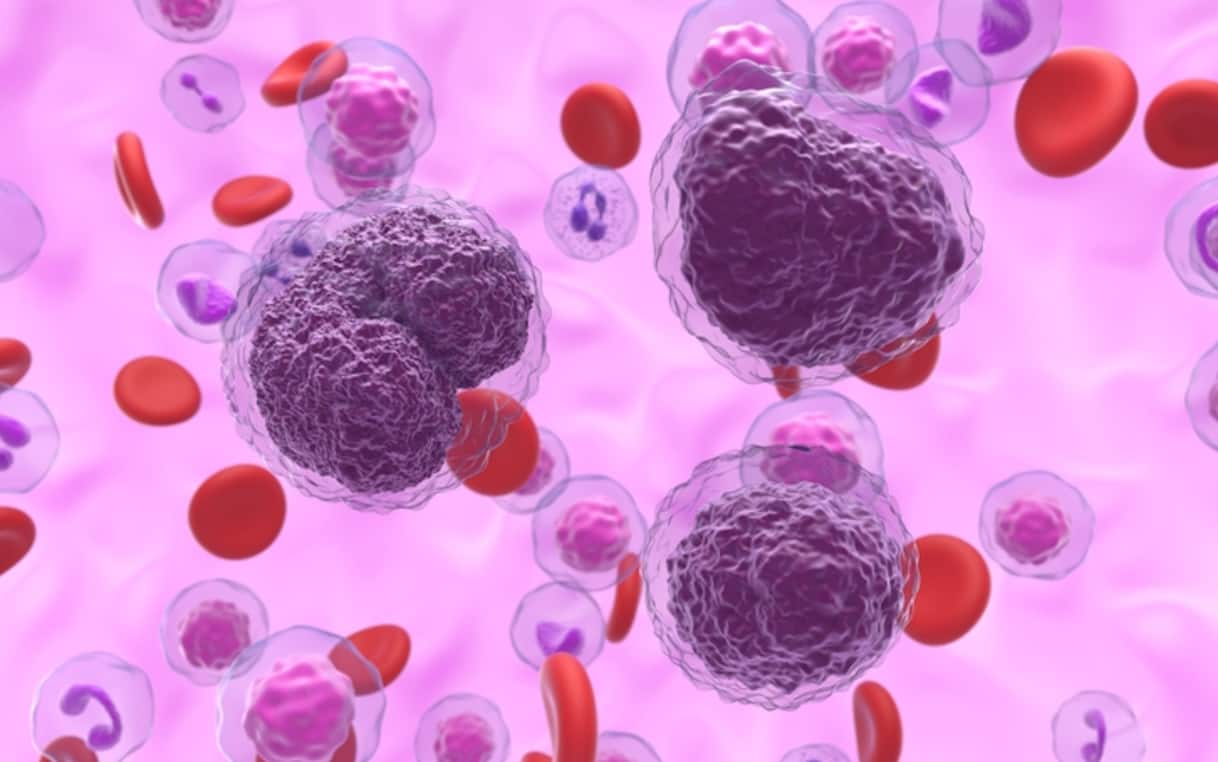
New research into targeted therapies is offering fresh options for patients with Hodgkin lymphoma, particularly those facing relapsed or refractory forms of the disease. Recent data indicates that a new molecular approach, delivered via a pill rather than traditional chemotherapy, is showing significant efficacy in patients who have not responded to standard treatments.
- A new targeted therapy was found to be effective in one out of every two patients with relapsed or refractory Hodgkin lymphoma.
- Data presented at the American Society of Clinical Oncology (ASCO) showed a complete response in 35% of patients treated with a new molecule.
- The treatment is administered as a pill, providing an alternative to chemotherapy.
A Shift Toward Targeted Treatment
For many patients, the standard path for treating Hodgkin lymphoma involves chemotherapy. However, new developments in pharmacology are introducing targeted therapies that aim to eliminate tumors without the systemic toxicity typically associated with chemotherapy. One such development is a medication delivered in pill form designed to target the cancer more precisely.
This approach is specifically aimed at patients with refractory disease—meaning the cancer has not responded to initial treatment—or those experiencing recidives, where the cancer returns after a period of remission.
Clinical Outcomes and Response Rates
Research highlighting the efficacy of this new molecule has shown promising results in challenging patient populations. According to the research teams, the therapy was effective in 50% of patients dealing with relapses.
Further evidence shared during the ASCO conference detailed the impact of the new molecule, noting that 35% of patients achieved a complete response, meaning all detectable signs of the cancer disappeared during the evaluation period.
International Research Contributions
The development of these therapies has seen significant contributions from researchers in Italy, including specialists in Milan. The presentation of these findings at a major international forum like ASCO underscores the global effort to refine treatment protocols for blood cancers.
While these results provide a new avenue for those who have exhausted traditional options, the focus remains on integrating these targeted molecules into broader clinical practice to improve long-term survival rates and quality of life for patients with Hodgkin lymphoma.
