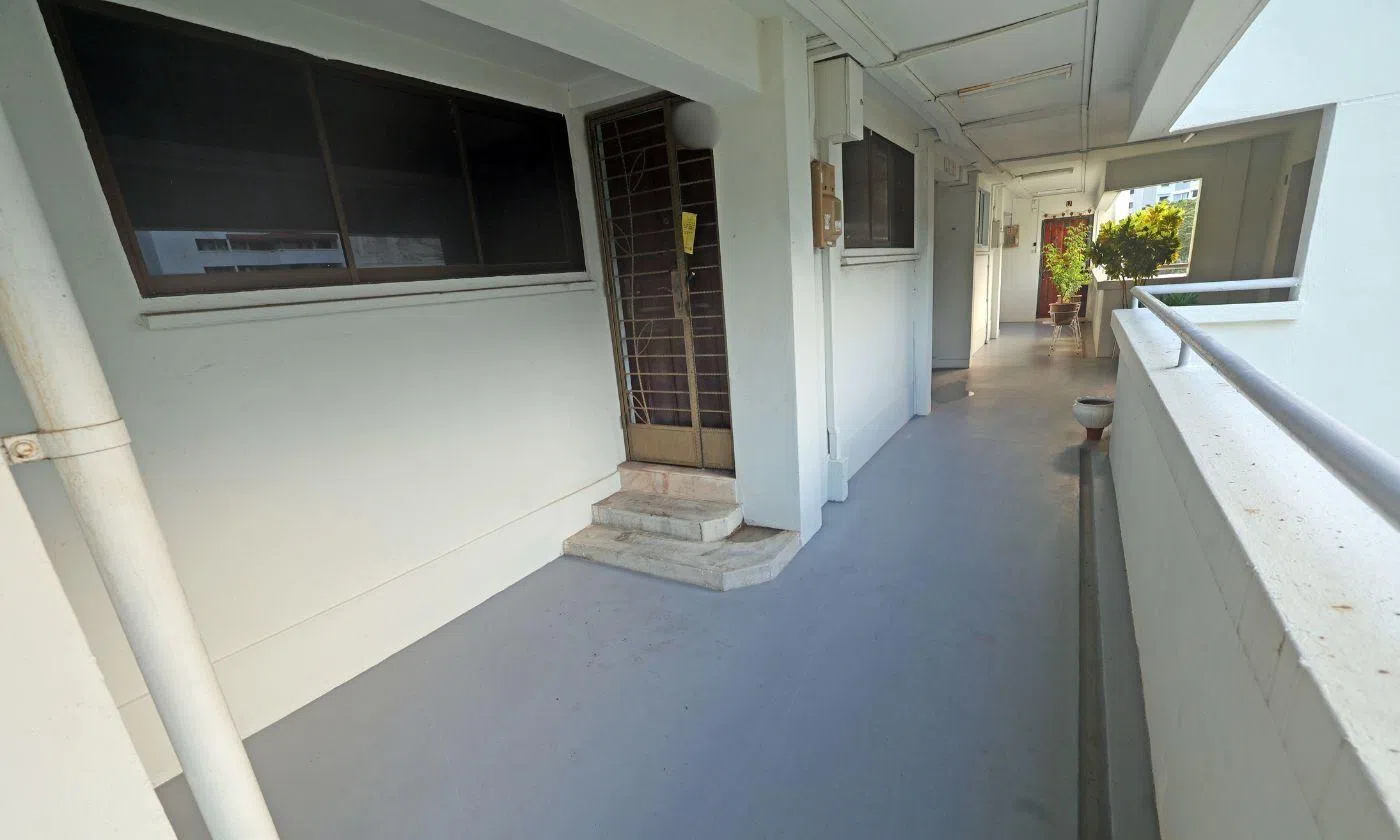
Man, 60, Dies in Tampines Flat, Neighbours Thought Unit Was Empty Until Odour Detected
A sobering incident in Tampines has brought the issue of social isolation and urban anonymity back into the spotlight. A 60-year-old man was discovered deceased in his flat, a discovery that occurred only after neighbors noticed a distinct odour emanating from the residence. Adding a layer of tragedy to the event, those living in the immediate vicinity had previously assumed the unit was unoccupied, highlighting a precarious gap in community awareness and the silent nature of social withdrawal.
This case, described as a man, 60, dies in Tampines flat, neighbours thought unit was empty until odour detected – Stomp, serves as a stark reminder of how easily an individual can slip through the cracks of a densely populated residential area. In an era of high-rise living and digital connectivity, the physical proximity of neighbors does not always translate to social connection, leading to scenarios where deaths may go unnoticed for significant periods.
The Discovery in Tampines: A Timeline of Silence
The events leading to the discovery of the deceased man in Tampines underscore a common but distressing pattern in urban environments. The core of the tragedy lies not just in the death itself, but in the period of time that elapsed between the man’s passing and the eventual discovery of his body.
According to the reported details, the man, aged 60, had been living in a Tampines flat. For a period of time, the neighbors surrounding the unit did not observe any activity coming from the home. In many high-density housing estates, it is not uncommon for residents to assume a neighboring unit is vacant, especially if the occupant is known to be quiet, keeps to themselves, or maintains a low profile.
The silence was eventually broken not by a welfare check or a family visit, but by the biological reality of decomposition. It was only when a noticeable odour began to permeate the hallway and enter neighboring units that residents became suspicious. This odour acted as the final, grim signal that something was wrong inside the flat, prompting the notification of authorities.
Key Elements of the Incident
- The Deceased: A 60-year-old male.
- The Location: A residential flat in Tampines.
- The Catalyst for Discovery: The detection of a foul odour by neighbors.
- The Misconception: Neighbors had mistakenly believed the unit was empty.
The transition from a “quiet neighbor” to a “perceived empty unit” is a dangerous threshold in urban living, where the absence of noise is often mistaken for the absence of a resident.
The Psychology of Urban Anonymity
To understand why neighbors in a tight-knit residential hub like Tampines would believe a unit was empty, it is necessary to examine the psychology of modern urban living. In many cities, the “culture of privacy” often overrides the “culture of community.”
The “Invisible Neighbor” Phenomenon
Many individuals, particularly those in their 60s or older, may experience a gradual withdrawal from social circles. This can be due to retirement, the loss of a spouse, or health issues. When a person stops appearing in common areas or ceases to interact with neighbors, the human brain often fills in the gap with the most logical explanation: the person has moved out.
This phenomenon is exacerbated by the architectural design of modern flats, which are built for privacy and soundproofing. When a unit becomes silent, there are few external cues to indicate whether the resident is simply sleeping, traveling, or no longer alive.
The Barrier of Social Hesitation
Even when neighbors notice a lack of activity, there is often a social barrier that prevents them from investigating. The fear of intruding on someone’s privacy or the assumption that “someone else must be checking on them” often leads to inaction. In the case of the man, 60, dies in Tampines flat, neighbours thought unit was empty until odour detected – Stomp, this hesitation likely played a role in the delay of discovery.
Understanding “Lonely Deaths” in a Modern Context
The term “lonely death” (known as kodokushi in Japan) describes a situation where an individual dies alone and remains undiscovered for a significant amount of time. While often associated with East Asian societies, this is a global trend affecting aging populations in developed urban centers worldwide.
The risk factors for such an event are often a combination of social, economic, and psychological factors:
| Risk Factor | Impact on Discovery | Common Manifestation |
|---|---|---|
| Social Isolation | No one is alerted to the person’s absence. | Lack of immediate family or close friends nearby. |
| Health Decline | Sudden incapacity prevents the person from seeking help. | Chronic illness or sudden cardiac event. |
| Urban Design | Physical barriers mask the state of the home. | Soundproof walls and private entrances. |
| Psychological Withdrawal | The individual actively avoids social contact. | Depression or personality changes following retirement. |
The Role of Odour in Forensic Discovery
In cases where there is no one to report a missing person, the detection of odour is frequently the only way a body is discovered. This is a harrowing experience for neighbors and first responders, but it is a critical indicator in forensic investigations.
When a person dies alone, the process of decomposition begins immediately. As bacteria break down organic matter, they release gases such as putrescine and cadaverine. In a confined space like a flat, these gases accumulate until they leak through door seals or ventilation systems. By the time an odour is detectable by neighbors in a hallway, the body has typically been there for several days, depending on the temperature and humidity of the environment.
For the residents of the Tampines block, the detection of the odour was the only clue that the “empty” unit was, in fact, occupied by someone who had passed away. This highlights the critical need for more proactive community checks, as biological signals are the last resort for discovery.
Bridging the Gap: How to Prevent Social Isolation
The tragedy of the man in Tampines serves as a catalyst for discussing how communities can better support their elderly and isolated members. Preventing “lonely deaths” requires a shift from passive coexistence to active community vigilance.
Recognizing the Warning Signs
Neighbors can play a pivotal role in early intervention. While respecting privacy is important, noticing certain “red flags” can save lives. These include:
- Mail Accumulation: A buildup of letters, flyers, or newspapers in the letterbox is one of the most reliable signs that a resident is not accessing their mail.
- Unusual Silence: If a neighbor who usually has a specific routine (e.g., leaving for work at 8 AM or walking a dog) suddenly stops, it warrants a check.
- Curtain Patterns: Curtains that remain closed for days or weeks on end, regardless of the time of day.
- Lack of Lighting: A home that remains dark throughout the evening and night when it was previously lit.
Proactive Community Engagement
Encouraging small, low-pressure interactions can create a safety net. A simple “hello” in the lift or a brief chat in the corridor establishes a baseline of presence. When these interactions stop, the absence is felt more acutely, making it more likely that someone will reach out or contact authorities for a welfare check.
For those interested in further reading, a related explainer on community support networks can provide more strategies for fostering neighborhood resilience.
The Legal and Administrative Process Following such Discoveries
When a body is found under these circumstances—where the death was not witnessed and occurred in a private residence—a standard legal protocol is followed to ensure the death was from natural causes and not foul play.
Initial Response
Once the odour is reported, the police and the Singapore Civil Defence Force (SCDF) typically secure the premises. They enter the flat to confirm the death and ensure there are no immediate hazards (such as gas leaks) that could have contributed to the incident or endangered the building.
Coroner’s Investigation
Because the man was found alone and the time of death is uncertain, the case is usually referred to the Coroner. The goal is to determine the cause of death. This involves:
- Forensic Examination: Determining the approximate time of death and the biological cause (e.g., heart failure, stroke).
- Scene Analysis: Checking for signs of struggle, forced entry, or suicide notes.
- Medical History Review: Examining the deceased’s health records to see if there were pre-existing conditions.
Notification of Next of Kin
One of the most difficult tasks for authorities in these cases is locating the next of kin. When a person is socially isolated, they may not have updated emergency contacts. Authorities work through government records and digital footprints to find family members to inform them of the passing.
Addressing the Broader Social Implication
The incident involving the man, 60, dies in Tampines flat, neighbours thought unit was empty until odour detected – Stomp is more than a local news story; it is a symptom of a wider societal challenge. As the population ages and family structures evolve, the traditional support system of the multi-generational household is diminishing.
Many seniors now live alone in HDB flats, and while government initiatives provide some support, the “last mile” of care often depends on the kindness and alertness of strangers—the neighbors.
The Tension Between Privacy and Care
There is a delicate balance between respecting an individual’s right to privacy and the necessity of intervention. Many people value their independence and may resist help. However, as this case demonstrates, absolute privacy can lead to an absolute lack of support in a crisis.
Communities are encouraged to find a middle ground: “casual vigilance.” In other words not spying on neighbors, but maintaining enough of a relationship that a total disappearance is noticed within hours or days, rather than weeks.
Frequently Asked Questions
Why did it take so long for the man in Tampines to be found?
The discovery was delayed because neighbors believed the flat was empty. In high-density urban areas, a lack of noise or activity is often misinterpreted as vacancy rather than a medical emergency or death.
What should I do if I suspect a neighbor is in trouble but I don’t want to intrude?
If you notice red flags—such as piling mail or a sudden stop in a known routine—the safest course of action is to contact local community leaders or the police for a welfare check. It is better to have a “false alarm” than to discover a tragedy too late.
How common are “lonely deaths” in Singapore?
While exact statistics vary, the trend of elderly individuals living alone is increasing as the population ages. This makes the risk of undetected deaths a growing concern for urban planners and social workers.
What is the most reliable sign that someone living alone may need help?
The most reliable external sign is often the accumulation of mail or newspapers. Since most residents check their mail daily or weekly, a buildup is a strong indicator that the occupant is unable to do so.
Who is responsible for checking on isolated seniors?
While government agencies and social services provide systemic support, the first line of defense is often the immediate community—neighbors, friends, and local volunteers who can spot changes in daily behavior.
The events in Tampines serve as a poignant reminder that in the heart of a bustling city, the greatest danger is often the silence of a neighbor. By fostering a culture of awareness and casual connection, communities can ensure that no one has to face their final moments in total anonymity.
