
This Astronaut Lost His Speech: A Medical Mystery in Space That Changed His Life
In the silent vacuum of orbit, communication is the only lifeline between a crew and the world they left behind. For one NASA astronaut, that lifeline was suddenly severed—not by a mechanical failure of the radio or a glitch in the telemetry, but by a terrifying biological malfunction. The news that this astronaut lost his speech, a medical mystery in space that changed his life – The Times of India and other global outlets have highlighted, serves as a stark reminder that the human body is not yet fully adapted for the rigors of long-term space habitation.
The incident, which unfolded aboard the International Space Station (ISS), triggered an immediate and high-stakes response from mission control. When an astronaut suddenly finds themselves unable to speak, the implications extend far beyond a personal medical crisis; it becomes a mission-critical emergency. In an environment where every second counts and every procedure is choreographed, a sudden loss of verbal communication can lead to catastrophic errors. This event not only forced an early return for the crew but has now sparked a fundamental re-evaluation of how NASA and other space agencies screen candidates and monitor neurological health during deep-space missions.
The Sudden Silence: What Happened Aboard the ISS
The onset of the condition was abrupt. While performing routine duties aboard the ISS, the astronaut experienced a sudden inability to produce spoken language. This condition, known medically as aphasia, is typically associated with damage to the language-processing centers of the brain, often resulting from a stroke, traumatic brain injury, or a neurological event. However, in the microgravity environment of the ISS, the diagnostic possibilities were far more complex.
The terror of the situation was compounded by the setting. Imagine being 250 miles above Earth, surrounded by the most complex machinery ever built, and suddenly discovering that while you can think and understand, the bridge between your mind and your voice has collapsed. The astronaut was conscious and aware, but the ability to articulate words had vanished.
“The psychological toll of losing one’s voice in an environment where verbal confirmation is the primary safety protocol cannot be overstated. It transforms a high-tech laboratory into a place of profound isolation.”
The crew’s immediate reaction was one of coordinated urgency. Following strict emergency protocols, the crew members and ground control worked to stabilize the astronaut and determine if the speech loss was a symptom of a larger, life-threatening event, such as a cerebral hemorrhage or an acute allergic reaction. Because the ISS lacks the advanced imaging capabilities of a terrestrial hospital—such as MRI or CT scanners—the medical team had to rely on remote telemetry and the astronaut’s own non-verbal feedback to piece together the puzzle.
The Decision for an Emergency Return
While the astronaut’s condition was monitored, the risks of remaining in orbit became untenable. Space is an unforgiving environment; any neurological instability could lead to further complications that the ISS medical bay is simply not equipped to handle. The decision was made to terminate the mission early and bring the crew back to Earth.

The logistics of an early return are grueling. It requires the synchronization of orbital mechanics, the preparation of landing sites, and the coordination of recovery teams. The urgency of this evacuation underscored the severity of the medical mystery. This wasn’t merely a case of “space sickness” or fatigue; it was a neurological anomaly that demanded immediate Earth-based intervention.
Decoding the Mystery: The Cause of the Speech Loss
Once back on Earth, a battery of exhaustive tests was conducted to uncover why a healthy, rigorously screened astronaut would suddenly lose the ability to speak. The revelation of the cause provided a mixture of relief and caution for the scientific community. While the specific medical details were kept private for a period, the subsequent disclosures pointed toward a complex interaction between the astronaut’s physiology and the unique stressors of the space environment.
The investigation focused on several key theories:
- Cerebrovascular Shifts: In microgravity, bodily fluids shift toward the head (the “puffy face” phenomenon). This increases intracranial pressure, which can potentially affect blood flow to critical areas of the brain.
- SANS (Spaceflight-Associated Neuro-ocular Syndrome): While primarily affecting vision, SANS demonstrates how fluid shifts can deform the optic nerve and flatten the eyeball, suggesting that the brain’s physical structure can be altered by orbit.
- Undiagnosed Predispositions: The possibility that the environment of space acted as a catalyst for a latent medical condition that would have remained dormant on Earth.
- Environmental Toxins: An investigation into whether any off-gassing from station materials or atmospheric anomalies contributed to the neurological event.
The eventual diagnosis revealed that the event was a rare medical emergency that, while treatable on Earth, would have been fatal or permanently disabling had it progressed in orbit. The “mystery” was not just about the what, but the why—why did this happen now, and could it happen to others?
| Factor | Earth Environment | Space Environment (ISS) | Impact on Neurological Health |
|---|---|---|---|
| Gravity | 1G (Constant) | Microgravity | Fluid shift toward the cranium |
| Pressure | Atmospheric Standard | Regulated/Pressurized | Potential for intracranial pressure spikes |
| Radiation | Protected by Atmosphere | High Cosmic Radiation | Potential for cellular/neural damage |
| Medical Access | Immediate (ER/MRI) | Limited (Telemedicine) | Delayed diagnosis of acute events |
Why This Matters: Implications for the Future of Space Exploration
The story of this astronaut who lost his speech, a medical mystery in space that changed his life, is more than a human-interest piece; it is a cautionary tale for the future of human expansion into the cosmos. As NASA prepares for the Artemis missions to return humans to the Moon and eventually sends crews to Mars, the “safety margin” for medical emergencies shrinks to zero.
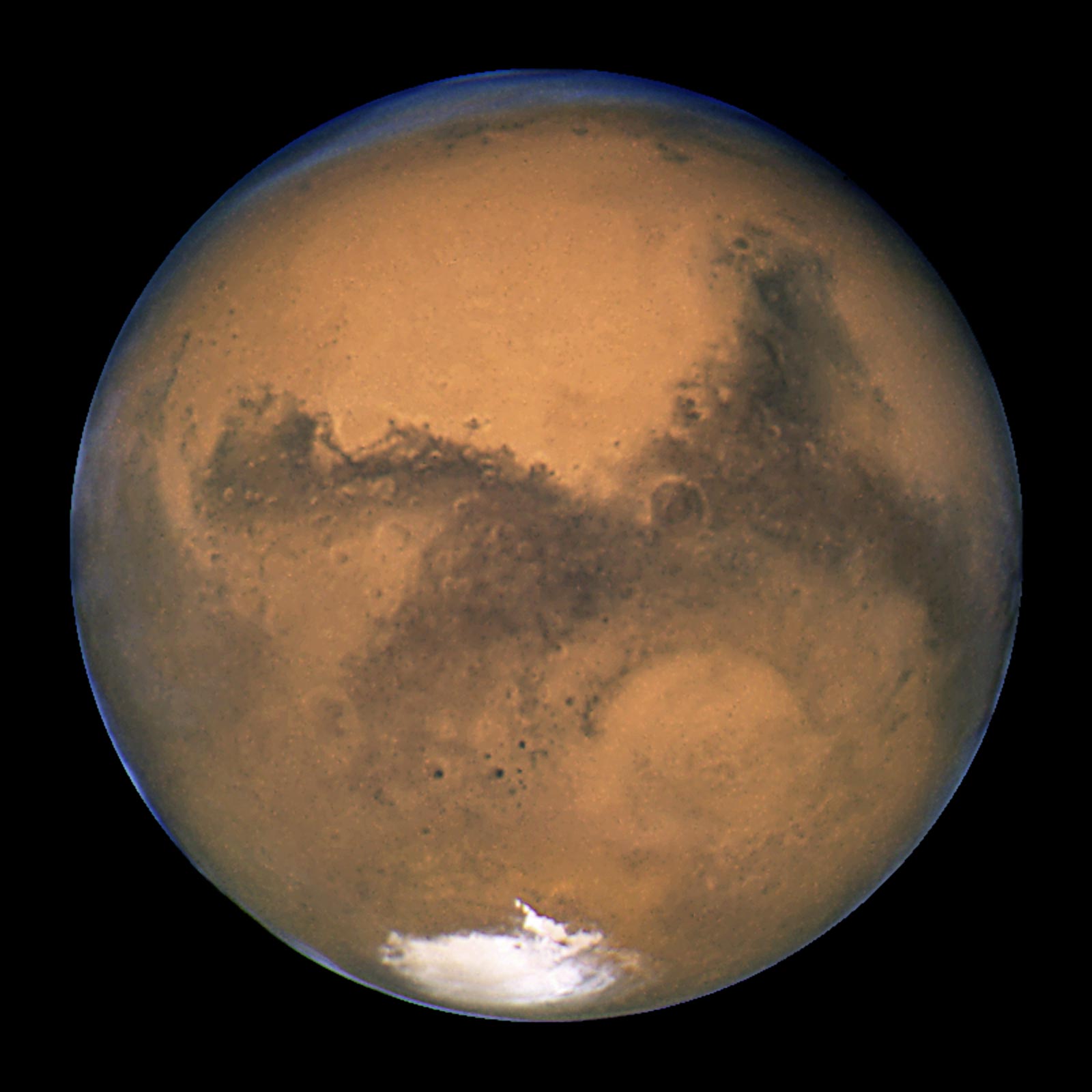
The “Mars Problem”
On the ISS, an emergency return takes hours or days. On a mission to Mars, the crew will be millions of miles away from Earth, with a travel time of several months. If an astronaut suffers a neurological event like aphasia or a stroke halfway to the Red Planet, there is no “early return” option. The crew must be entirely self-sufficient.
This incident has forced NASA to reconsider several critical areas of mission planning:
- Advanced On-board Diagnostics: The need for miniaturized, high-resolution imaging tools (like portable ultrasound or AI-driven EEG) that can diagnose neurological events in real-time.
- Autonomous Medical AI: Since communication delays to Mars can reach 20 minutes each way, ground control cannot guide a surgery or a complex medical intervention in real-time. AI must be capable of diagnosing and suggesting treatments autonomously.
- Enhanced Screening: The criteria for “flight ready” may need to be expanded to include more rigorous neurological stress testing to identify those predisposed to fluid-shift-related brain issues.
- Pharmaceutical Countermeasures: Developing drugs that can regulate intracranial pressure or protect neural pathways from the effects of microgravity.
For more information on how NASA is tackling these challenges, you might find a related explainer on deep space health protocols useful.
The Human Element: A Life Changed
Beyond the scientific data and the mission logs lies the personal story of the astronaut. Losing the ability to speak is a profound trauma. For a professional whose entire career is built on precision, communication, and leadership, the sudden loss of voice is a stripping away of identity.
The recovery process was not just physical, but psychological. The astronaut had to navigate the frustration of aphasia, the fear of the unknown, and the knowledge that their body had “failed” them in the most public and high-stakes environment imaginable. However, this experience also provided a unique perspective on human resilience. The transition from a “perfect” specimen of NASA’s elite to a patient fighting to regain a basic human function brought a new level of empathy and understanding to the astronaut’s life.
This journey from silence back to speech has turned the astronaut into an advocate for space medicine. By sharing the details of this medical mystery, they are helping to ensure that the next generation of explorers is better protected. The event changed their life by shifting their focus from the destination of the mission to the fragility and wonder of the human biological machine.
Common Misconceptions About Space Health
In the wake of this story, several misconceptions have surfaced in public discourse. It is important to clarify these points to understand the actual risks of spaceflight:
- Misconception: Space causes “brain damage.”
Reality: Space does not cause generic brain damage, but it does cause physiological adaptations. Fluid shifts and radiation are risks, but they are manageable with the right countermeasures. - Misconception: The astronaut was “unfit” for flight.
Reality: Astronauts undergo the most rigorous medical screening in human history. This event was a “black swan”—an unpredictable occurrence that happened despite all precautions. - Misconception: Communication is only about radios.
Reality: As this case proves, the most critical communication link is the neurological one between the brain and the vocal apparatus.
The Path Forward: Integrating Lessons into Space Policy
The aftermath of this medical mystery has led to a shift in how space agencies view the “human factor.” For decades, the focus was on the engineering of the rocket and the station. While the human was a variable, the assumption was that a healthy person would remain healthy if provided with basic exercise and nutrition.
We are now entering an era of “Precision Space Medicine.” This involves tailoring health monitoring to the individual’s genetic and physiological makeup. By understanding how different people react to microgravity, NASA can predict who might be at risk for neurological events. This move toward personalized medicine is essential for the survival of crews on multi-year missions.
the incident has highlighted the need for better psychological support for astronauts facing medical crises. The isolation of space amplifies the trauma of illness. Future missions will likely include more robust mental health resources and communication tools that allow astronauts to express themselves even when verbal speech is compromised.
Frequently Asked Questions
What exactly is the “speech loss” mentioned in the story?
The speech loss is likely a form of aphasia, a neurological disorder that affects the ability to communicate. In this specific case, it was a sudden onset occurring in microgravity, making it a medical mystery until the astronaut could be evaluated on Earth.
Did this incident happen because of a failure in NASA’s screening?
No. Astronauts undergo extremely rigorous health checks. This event was an unpredictable medical emergency, likely triggered by the unique environment of space (such as fluid shifts) rather than a pre-existing condition that was missed.
How does this affect future missions to Mars?
It emphasizes the danger of “distance from Earth.” While the ISS crew could return home, Mars crews cannot. This has accelerated the development of autonomous medical AI and advanced on-board diagnostic tools to handle neurological emergencies without Earth’s immediate help.
Is losing speech a common occurrence in space?
No, this was a particularly rare and isolated incident. However, other neurological and physiological changes—such as SANS (affecting vision)—are more common and are being actively studied by space agencies.
Can an astronaut return to flight after such an event?
That depends on the specific diagnosis and the astronaut’s recovery. NASA’s flight surgeons determine fitness for flight based on a stringent set of medical criteria to ensure the safety of the individual and the crew.
The legacy of this event is not one of failure, but of discovery. Every medical anomaly in space is a data point that helps us understand the limits of the human body. By solving the mystery of the astronaut who lost his speech, science moves one step closer to making the stars a sustainable home for humanity. The transition from a terrifying silence to a shared lesson ensures that future explorers will not have to face the unknown alone or unheard.
