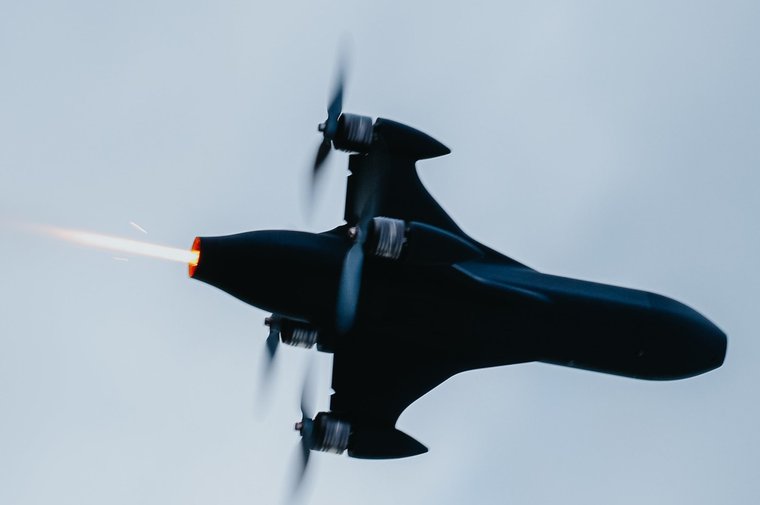
May Land Forces Roundup: Counter-Drone Systems Move Up the Agenda – Shephard Media
The landscape of modern land warfare is undergoing a rapid transformation, characterized by a shift toward integrated, multi-layered defense systems. As highlighted in the broader trends of the May land forces roundup: counter-drone systems move up the agenda – Shephard Media, military priorities are pivoting toward the neutralization of unmanned aerial systems (UAS). Nowhere is this shift more evident than on the eastern flank of NATO, where Latvia is currently implementing a comprehensive security overhaul along its border with Russia.
Facing a surge in drone incursions and an increasingly volatile regional security environment, Latvia has moved beyond traditional border patrols. The state is now deploying a sophisticated blend of high-tech interceptors and “low-tech” physical fortifications. This strategic pivot reflects a global realization: land forces can no longer operate effectively without a robust, dedicated counter-drone capability integrated directly into their frontline posture.
The Escalation of Border Drone Incursions
The catalyst for Latvia’s urgent security upgrades has been a series of drone incursions across its border. These incidents have demonstrated the vulnerability of sovereign airspace to small, agile, and often difficult-to-detect unmanned aircraft. In response, the Latvian government has accelerated the deployment of specialized assets designed to detect, track, and neutralize these threats in real-time.
The primary objective is to create a “denial zone” that prevents unauthorized drones from conducting reconnaissance or delivering payloads. This represents not merely a matter of national policing but a critical component of territorial defense. The integration of these systems into the border infrastructure ensures that any aerial breach is met with an immediate and automated response, reducing the reliance on human reaction times which can be too slow for high-speed drone threats.
The convergence of physical barriers and electronic countermeasures represents a new era of “hybrid fortification,” where the goal is to slow down ground movements while simultaneously blinding and neutralizing aerial eyes.
High-Tech Defense: Interceptors and Automated Turrets
As part of its modernized defense strategy, Latvia is integrating a variety of active counter-drone technologies. The focus is on mobility and automation, ensuring that the border remains defended even in remote or sparsely populated areas.
Mobile Intercept Units
To counter the unpredictable nature of drone flight paths, Latvia has dispatched mobile intercept units to the Russian border. Unlike static installations, these units can be rapidly redeployed to “hotspots” where incursions are most frequent. These units typically combine electronic warfare (EW) capabilities—such as signal jamming to sever the link between the drone and its operator—with kinetic options for physical neutralization.
Interceptor Drones and Automated Turrets
Moving beyond passive jamming, the Latvian defense architecture now includes the deployment of interceptor drones. These “hunter-killer” UAS are designed to engage intruder drones in mid-air, providing a proactive layer of defense that can push the engagement zone further away from critical infrastructure.
Complementing these aerial assets are automated turrets. These systems utilize advanced sensors and AI-driven targeting to identify and engage low-flying targets without requiring a constant human operator. By automating the detection-to-engagement cycle, Latvia significantly increases the probability of a successful intercept.
| Defense Asset | Primary Function | Strategic Advantage |
|---|---|---|
| Mobile Intercept Units | Rapid deployment & jamming | Flexibility and adaptability to threat movement |
| Interceptor Drones | Active aerial engagement | Ability to neutralize threats far from the border line |
| Automated Turrets | Autonomous target engagement | Reduced reaction time and 24/7 surveillance |
| Anti-Mobility Barriers | Physical ground obstruction | Forcing enemy movement into “kill zones” |
Physical Fortifications: The Return of ‘Dragon’s Teeth’
While the May land forces roundup: counter-drone systems move up the agenda – Shephard Media emphasizes the digital and electronic side of warfare, Latvia is simultaneously reinforcing the physical dimension of its border. The deployment of anti-mobility barriers, specifically “Dragon’s Teeth,” marks a return to classic defensive engineering tailored for modern threats.
What are Dragon’s Teeth?
Dragon’s Teeth are reinforced concrete pyramids designed to impede the movement of armored vehicles, and tanks. By creating a jagged, impassable terrain, these barriers prevent enemy forces from conducting rapid breakthroughs or “blitz” maneuvers across the border. They do not stop an army entirely, but they force vehicles to slow down, funnel them into predictable channels, and make them vulnerable to anti-tank weapons and artillery.
The Synergy of Physical and Electronic Barriers
The deployment of Dragon’s Teeth is not an isolated effort; it is designed to work in tandem with the new counter-drone systems. The strategic logic is as follows:
- Channelization: Physical barriers force ground forces into specific corridors.
- Surveillance: Automated turrets and sensors monitor these corridors with high precision.
- Neutralization: Counter-drone systems prevent the enemy from using UAS to scout the barriers or provide real-time targeting data for artillery to clear the obstacles.
By combining these elements, Latvia is creating a “deep defense” system where the enemy is slowed down physically and blinded electronically.
The NATO Dimension: A New Corps for the Baltics
Latvia’s unilateral border reinforcements are taking place within a broader framework of NATO strategic realignment. There are currently plans for NATO to establish a new corps specifically dedicated to Estonia and Latvia. This move signals a transition from a “tripwire” deterrence strategy to a “forward defense” posture.

The creation of a dedicated corps would provide several critical advantages:
- Command and Control: A localized command structure allows for faster decision-making during a crisis.
- Resource Integration: It facilitates the seamless integration of national assets (like Latvia’s automated turrets) with NATO-wide intelligence and reinforcements.
- Enhanced Deterrence: The physical presence of a permanent, high-readiness corps serves as a powerful deterrent against potential aggression.
The synergy between national border fortifications and NATO’s organizational shifts suggests that the Baltic states are preparing for a long-term state of heightened tension, requiring a permanent and sustainable defensive infrastructure.
Analysis: Why Counter-Drone Systems are Now a Priority
The shift highlighted in the May land forces roundup: counter-drone systems move up the agenda – Shephard Media is not an accident. It is a direct response to the lessons learned from recent conflicts, where the drone has evolved from a surveillance tool to a primary weapon system.
The Democratization of Air Power
Historically, air superiority was the domain of wealthy nations with expensive jet fleets. Today, low-cost commercial drones modified for military use have “democratized” the air. Small units can now possess organic aerial reconnaissance and strike capabilities, making traditional camouflage and concealment nearly obsolete.
The Challenge of “Swarms”
Military planners are increasingly concerned with “drone swarms”—the use of multiple drones acting in coordination to overwhelm traditional air defenses. This is why Latvia is investing in automated turrets and interceptor drones; human operators cannot keep pace with the volume and speed of a swarm attack.
The Integration Gap
One of the primary misconceptions in modern defense is that “buying a jammer” is enough. The reality is that counter-drone warfare requires a layered approach. A jammer might stop a commercial drone, but it won’t stop a pre-programmed autonomous drone. This is why the combination of electronic warfare, kinetic interceptors, and physical barriers is the only viable path forward.
For more information on the evolution of border security, see our related explainer on hybrid warfare strategies.
Strategic Implications for Regional Security
The fortification of the Latvian border has implications that extend beyond the immediate vicinity of the Russian frontier. It sets a precedent for how other NATO members on the eastern flank may approach their own border security.
Potential for Escalation vs. Stability
Critics might argue that the deployment of “Dragon’s Teeth” and automated turrets could be seen as provocative. However, from a defensive standpoint, these measures are designed to reduce the likelihood of a successful “fait accompli” attack—where an aggressor seizes territory so quickly that the international community cannot react in time.
The Economic Cost of Permanent Defense
Maintaining a high-tech border is an expensive endeavor. The cost of automated turrets, the maintenance of interceptor drone fleets, and the construction of massive concrete barriers place a significant burden on the national budget. This necessitates a close partnership with NATO to share the financial and technological load.
As land forces continue to adapt, the “roundup” of priorities will likely move toward even greater integration of AI and autonomous systems. The goal is to move toward a “smart border” that can identify a threat, categorize it, and neutralize it with minimal human intervention, all while physical barriers ensure that the ground remains impassable.
Frequently Asked Questions
What are “Dragon’s Teeth” and why is Latvia using them?
Dragon’s Teeth are reinforced concrete obstacles shaped like pyramids. They are used to block the movement of tanks and armored vehicles, forcing them to slow down or move into specific areas where they can be more easily targeted by defending forces.

How do interceptor drones differ from standard drones?
While standard drones are typically used for surveillance or dropping payloads, interceptor drones are specifically designed to hunt and neutralize other drones. They may do this by ramming the target, using nets, or employing other kinetic means to destroy the intruder in mid-air.
What is the purpose of mobile intercept units?
Mobile intercept units provide flexibility. Instead of relying on a fixed wall of defense, these units can be moved to wherever drone incursions are most frequent, allowing the military to adapt its electronic jamming and interception capabilities in real-time.
Why is NATO planning a new corps for Estonia and Latvia?
The new corps is intended to enhance the command and control of forces in the region. By having a dedicated organizational structure for these two nations, NATO can respond more quickly to threats and better integrate national defense efforts with alliance-wide resources.
Are automated turrets fully autonomous?
While these systems use AI to detect and track targets, they generally operate under a “human-in-the-loop” or “human-on-the-loop” framework to ensure that engagement decisions comply with international law and rules of engagement.
The ongoing evolution of land force priorities, as seen in the May land forces roundup: counter-drone systems move up the agenda – Shephard Media, underscores a fundamental shift in military doctrine. The integration of automated aerial defenses and physical ground barriers in Latvia serves as a blueprint for the future of territorial sovereignty in an age of unmanned warfare. As these systems mature, the focus will likely shift from mere detection to fully integrated, autonomous denial zones.
