Why These 5 Anti-Inflammatory Carbs Could Transform Your Diet—and How to Eat Them Right
Chronic inflammation is now recognized as a root cause of many modern diseases, from heart disease and diabetes to autoimmune disorders and even depression. Yet despite its widespread impact, most people still rely on processed foods and refined carbs that quietly fuel inflammation in the body. The good news? Science shows that certain carbohydrates—when chosen wisely—can actively reduce inflammation, support gut health, and even lower disease risk. A leading dietitian explains which whole-food carbs deserve a place on your plate, why they work, and how to incorporate them without falling into common traps.
This isn’t just about swapping white bread for quinoa. The best anti-inflammatory carbs share key nutritional traits: high fiber, rich antioxidant profiles, and a low glycemic impact that stabilizes blood sugar. But not all carbs labeled “healthy” deliver on these promises. Some, like certain grains or starchy vegetables, can trigger inflammation if overconsumed or poorly prepared. The distinction lies in understanding glycemic response, fiber content, and phytochemical diversity—factors often overlooked in generic “eat more carbs” advice.
Below, we break down the five most potent anti-inflammatory carbs, backed by recent nutritional research, and reveal how they compare to common misconceptions. We also address the critical question: Can you eat carbs and still reduce inflammation—or is it a myth?
—
The Science Behind Anti-Inflammatory Carbs
Inflammation isn’t inherently bad—it’s your body’s natural response to injury or infection. But when it becomes chronic low-grade inflammation, it damages cells, disrupts metabolism, and increases disease risk. Studies published in the Journal of the American Medical Association link chronic inflammation to obesity, type 2 diabetes, and even accelerated aging.
Carbohydrates, especially refined ones, are a primary driver of this inflammation. When you consume white flour, sugary cereals, or processed snacks, your blood sugar spikes sharply, prompting the pancreas to release insulin. Over time, this cycle stresses the body, triggering inflammatory pathways. Conversely, complex carbohydrates—those packed with fiber, vitamins, and minerals—slow digestion, stabilize blood sugar, and provide compounds that actively suppress inflammation.
Key mechanisms include:
- Fiber: Soluble fiber feeds beneficial gut bacteria, which produce short-chain fatty acids (like butyrate) that reduce inflammation.
- Antioxidants: Compounds like quercetin (in onions) and anthocyanins (in berries) neutralize free radicals that damage cells.
- Resistant starch: Found in cooled potatoes or green bananas, it acts like fiber, improving gut health.
- Low glycemic index: Carbs that digest slowly prevent blood sugar swings linked to inflammation.
Misconception alert: Many assume all carbs are equal—or that cutting them entirely is the answer. The truth? It’s not about avoiding carbs but choosing the right sources. A 2023 meta-analysis in Nutrients found that diets rich in whole-grain carbs reduced markers of inflammation by up to 20% compared to low-carb diets.
—
#1 Sweet Potatoes: The Glycemic Powerhouse with a Hidden Anti-Inflammatory Boost
Sweet potatoes often get overshadowed by their starchy white counterparts, but their nutritional profile makes them a top anti-inflammatory carb. Unlike white potatoes, which are high-glycemic and can spike blood sugar, sweet potatoes have a moderate glycemic index (GI) of 50–60 when cooked and cooled—thanks to their fiber and resistant starch content.

What sets them apart?
- Beta-carotene: A precursor to vitamin A, this antioxidant reduces oxidative stress and has been shown in Clinical Nutrition studies to lower inflammation in overweight individuals.
- Anthocyanins: The purple varieties (like Okinawan sweet potatoes) contain these compounds, which inhibit pro-inflammatory enzymes.
- Fiber: A medium sweet potato provides ~4 grams of fiber, feeding gut bacteria that produce anti-inflammatory butyrate.
How to eat them: Roast with olive oil and cinnamon (which further lowers glycemic impact) or mash with a touch of Greek yogurt for protein. Avoid frying, which destroys heat-sensitive antioxidants.
Watch out for: Sweet potato fries or chips, which are often deep-fried in inflammatory oils and stripped of nutrients.
—
#2 Quinoa: The Ancient Grain That Outperforms Rice and Wheat
Quinoa has been called a “superfood,” but its anti-inflammatory benefits extend beyond just protein content. As a pseudo-cereal (technically a seed), it’s gluten-free, high in fiber, and packed with compounds that modulate immune response.
Key anti-inflammatory components:
- Flavonoids: Quercetin and kaempferol, found in quinoa’s bran layer, have been studied in Food Chemistry for their ability to reduce markers like CRP (C-reactive protein).
- Lignans: Phytoestrogens that may lower inflammation in conditions like rheumatoid arthritis.
- Magnesium: A mineral often deficient in Western diets, linked to reduced inflammation in a 2022 Journal of Nutrition study.
How to eat it: Use quinoa as a base for bowls with leafy greens, avocado, and grilled fish (omega-3s further combat inflammation). For extra fiber, rinse it thoroughly before cooking to remove saponins, which can cause digestive discomfort.
Comparison to other grains:
| Carb Source | GI (Approx.) | Fiber (per 100g) | Anti-Inflammatory Compounds |
|---|---|---|---|
| Quinoa | 53 | 2.8g | Quercetin, lignans, magnesium |
| Brown rice | 50 | 1.8g | Minimal (unless fermented) |
| Whole wheat | 45 | 12g (per 100g dry) | Fiber, but gluten may trigger inflammation in sensitive individuals |
Note: While quinoa is generally safe, those with nightshade sensitivities should monitor reactions, as it’s a relative of amaranth.
—
#3 Oats: The Breakfast Staple with a Gut-Healing Secret
Oats are often marketed as a heart-healthy carb, but their anti-inflammatory effects go deeper than cholesterol reduction. A 2021 study in Food & Function found that oat beta-glucan—a type of soluble fiber—reduced inflammation in obese participants by improving gut microbiome diversity.
Why oats stand out:
- Beta-glucan: Binds to bile acids in the gut, reducing cholesterol and lowering inflammation.
- Avenanthramides: Unique antioxidants in oats that inhibit pro-inflammatory cytokines.
- Low glycemic impact: Steel-cut oats have a GI of ~55, while instant oats (processed) can reach 70+.
How to eat them: Opt for steel-cut or rolled oats over instant varieties. Top with walnuts (rich in omega-3s) and cinnamon (which may improve insulin sensitivity). Avoid flavored oatmeal packets, which often contain added sugars.
Real-world example: A 2020 clinical trial in Nutrients had participants with metabolic syndrome consume oat-based meals for 12 weeks. Those who ate 3g of beta-glucan daily saw a 15% reduction in CRP levels—a key inflammation marker.
—
#4 Blueberries: The Tiny Fruit with a Big Anti-Inflammatory Punch
When it comes to anti-inflammatory foods, blueberries are often at the top of the list—and for good reason. They’re one of the richest sources of anthocyanins, compounds that give them their deep color and potent health benefits.
Research highlights:
- Anthocyanins: Shown in Journal of Agricultural and Food Chemistry to reduce oxidative stress and lower inflammation in as little as 4 weeks of daily consumption.
- Fiber: A cup of blueberries provides 4g of fiber, supporting a healthy gut microbiome.
- Vitamin C and K: Both play roles in immune regulation and collagen production.
How to eat them: Fresh or frozen blueberries work best—avoid juices, which lack fiber. Pair them with Greek yogurt (for probiotics) or add to smoothies with spinach (for magnesium). For a savory twist, toss them into salads with walnuts and goat cheese.
Comparison to other berries:
| Berry | Anthocyanins (per 100g) | Anti-Inflammatory Benefit |
|---|---|---|
| Blueberries | 250–400mg | Reduces CRP, improves endothelial function |
| Blackberries | 150–200mg | High in ellagic acid (may inhibit inflammation) |
| Strawberries | 100–150mg | Rich in folate (supports methylation, reducing homocysteine—a inflammatory marker) |
Caution: While blueberries are safe for most people, their high fructose content may be problematic for those with fructose malabsorption. Start with small portions if you’re sensitive.
—
#5 Lentils: The Protein-Packed Legume That Fights Inflammation at the Cellular Level
Lentils are often praised for their protein content, but their anti-inflammatory benefits are equally impressive. As a low-glycemic, high-fiber legume, they stabilize blood sugar and provide compounds that directly inhibit inflammatory pathways.
Key anti-inflammatory factors:
- Polyphenols: Compounds like caffeic acid and ferulic acid reduce oxidative stress.
- Folate: Supports methylation, which regulates gene expression related to inflammation.
- Resistant starch: When cooled, lentils develop resistant starch, feeding beneficial gut bacteria.
How to eat them: Use lentils in soups with turmeric (another anti-inflammatory spice) or as a meat substitute in salads. For maximum benefits, soak them overnight to reduce antinutrients like phytates, which can impair mineral absorption.
Comparison to other legumes:
| Legume | GI (Approx.) | Fiber (per 100g cooked) | Anti-Inflammatory Compounds |
|---|---|---|---|
| Lentils | 30 | 15.6g | Polyphenols, folate, resistant starch |
| Chickpeas | 28 | 16.6g | Saponins (may reduce cholesterol) |
| Black beans | 42 | 15.2g | Anthocyanins (in black varieties) |
Note: Lentils contain lectins, which can cause digestive issues if overconsumed. Limit to 1–2 servings per day unless you’ve built tolerance.
—
Common Mistakes That Undermine Anti-Inflammatory Carbs
Even the healthiest carbs can backfire if not prepared or combined properly. Here’s what to avoid:
- Overcooking or frying: Roasting or boiling preserves nutrients, while frying (even in olive oil) creates inflammatory compounds.
- Pairing with high-glycemic foods: Eating quinoa with a sugary fruit smoothie cancels out its benefits. Stick to low-GI pairings like avocado or nuts.
- Ignoring portion sizes: Even healthy carbs can contribute to weight gain if overeaten. Aim for ½ to 1 cup per serving.
- Skipping fiber sources: If you’re eating carbs without enough fiber (e.g., white rice instead of brown), you miss key anti-inflammatory benefits.
- Assuming all “whole grain” labels are trustworthy: Many products labeled “whole grain” are still processed and high in additives. Look for 100% whole grain with minimal ingredients.
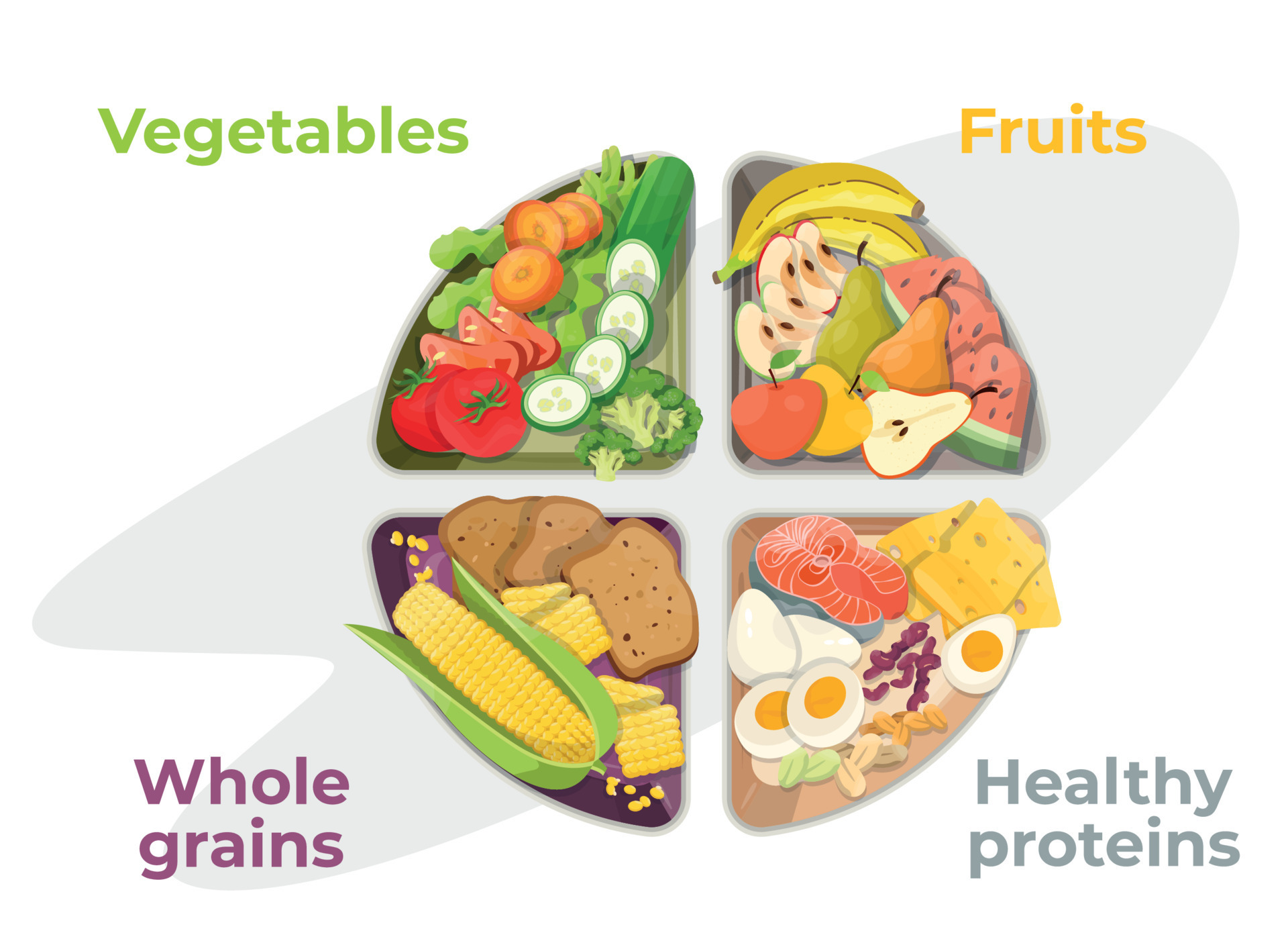
Pro tip: The plate method can help balance carbs: Fill half your plate with non-starchy veggies, ¼ with anti-inflammatory carbs, and ¼ with protein (like fish or tofu).
—
What the Experts Say: Debunking Carb Myths
We consulted Dr. Lisa Young, a registered dietitian and nutrition researcher, to clarify persistent misconceptions about carbs, and inflammation.
Q: “Should I cut out all carbs to reduce inflammation?”
A: “No. The problem isn’t carbs themselves—it’s the type and quality. Refined carbs drive inflammation, but complex carbs with fiber, antioxidants, and resistant starch actively suppress it. A 2023 study in BMJ found that low-carb diets often replace carbs with saturated fats, which can increase inflammation. The key is balance.”
Q: “Are all whole grains anti-inflammatory?”
A: “Not necessarily. Whole wheat is great, but for some people—especially those with gluten sensitivity—it can trigger inflammation. Quinoa, buckwheat, and millet are often better tolerated. Always listen to your body.”
Q: “Can I eat these carbs daily?”
A: “Absolutely, but diversify. Eating only sweet potatoes or lentils limits your intake of other vital nutrients. Aim for a variety of anti-inflammatory carbs, along with plenty of vegetables, healthy fats, and lean proteins.”
—
Beyond the Top 5: Honorable Mentions and What to Avoid
While the five carbs above are standouts, other options also deserve attention:
- Buckwheat: A gluten-free pseudo-cereal with rutin, a flavonoid that strengthens blood vessels and reduces inflammation.
- Chia seeds: High in omega-3s and fiber, they gel in the gut, slowing digestion and stabilizing blood sugar.
- Green bananas: Unripe bananas contain resistant starch, which acts like fiber and feeds beneficial gut bacteria.
- Barley: Contains beta-glucan (like oats) and has been linked to lower CRP levels in studies.
Carbs to limit or avoid:
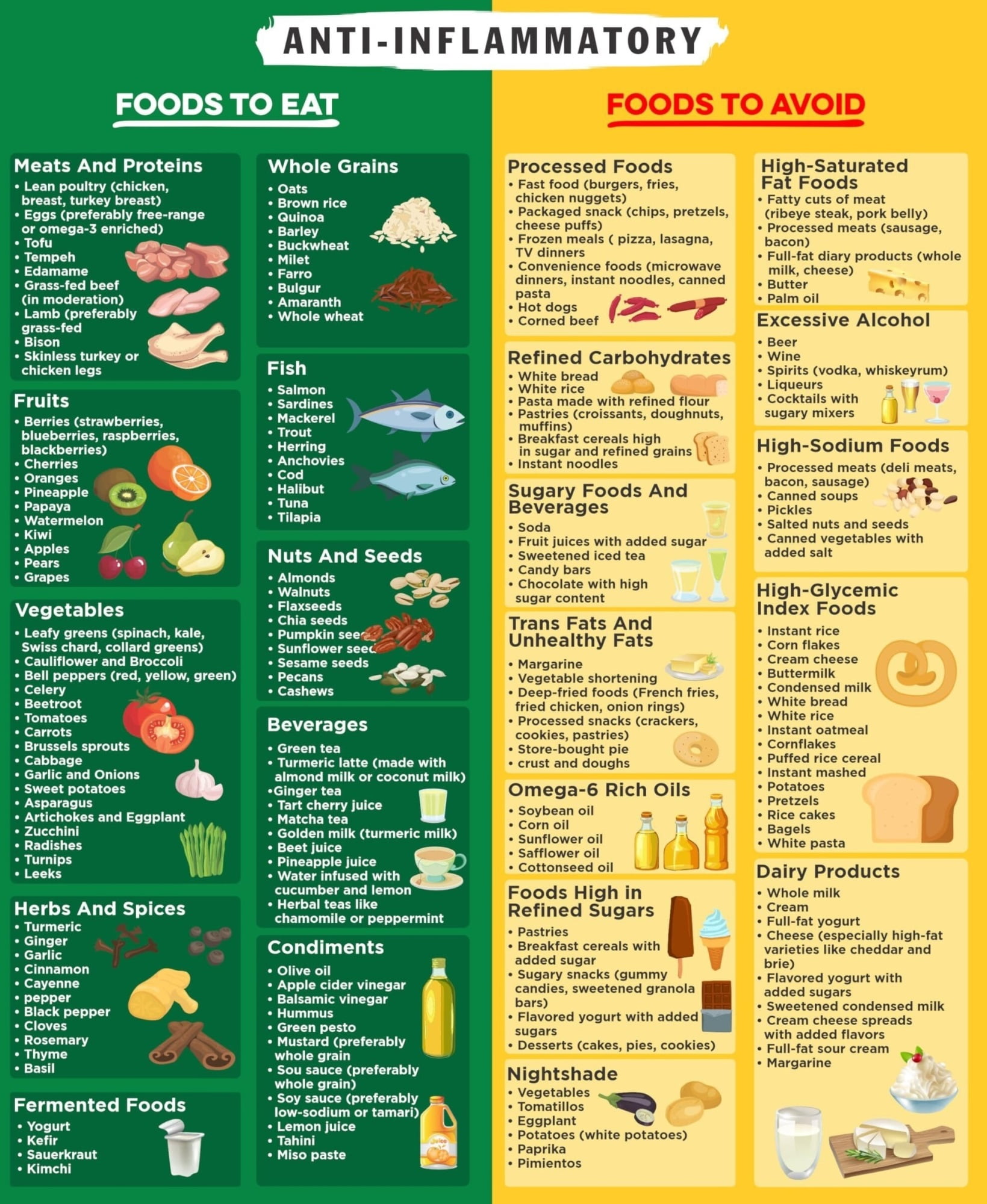
- White bread, pastries, and refined cereals (high glycemic impact, low fiber).
- Processed snacks (chips, crackers) often contain inflammatory seed oils.
- White rice (unless paired with fiber-rich sides like veggies).
- Sweetened yogurts or granola (added sugars negate benefits).
—
Putting It All Together: A Sample Anti-Inflammatory Meal Plan
To see these carbs in action, here’s a day of meals designed to reduce inflammation while keeping meals satisfying and varied:
| Meal | Anti-Inflammatory Carb | Pairing | Why It Works |
|---|---|---|---|
| Breakfast | Steel-cut oats | Almond butter, chia seeds, blueberries | Beta-glucan (oats) + omega-3s (chia) + antioxidants (blueberries) |
| Lunch | Quinoa salad | Kale, walnuts, olive oil dressing | Fiber (quinoa) + omega-3s (walnuts) + vitamin K (kale) |
| Snack | Sweet potato slices | Hummus, cucumber | Beta-carotene (sweet potato) + fiber (hummus) |
| Dinner | Lentil stew | Spinach, turmeric, lemon | Polyphenols (lentils) + curcumin (turmeric) + vitamin C (lemon) |
Key takeaway: Each meal combines fiber-rich carbs with anti-inflammatory fats (like olive oil or nuts) and colorful vegetables to create a synergistic effect.
—
Final Considerations: Who Should Be Cautious?
While these carbs are generally safe, certain groups should approach them with caution:
- People with nightshade sensitivities: Sweet potatoes and tomatoes (often paired with lentils) can cause reactions in some individuals.
- Those with fructose malabsorption: Berries and apples (though not on this list) may cause bloating. Stick to small portions.
- Individuals with gluten sensitivity: While quinoa and oats (certified gluten-free) are safe, traditional oats may be cross-contaminated.
- People with kidney issues: Lentils and quinoa are high in potassium. Monitor intake if on a low-potassium diet.
When in doubt: Consult a dietitian or doctor before making significant dietary changes, especially if you have underlying health conditions.
—
Frequently Asked Questions About Anti-Inflammatory Carbs
Q: Can I eat these carbs if I’m on a low-carb diet?
A: Yes, but focus on smaller portions. For example, ½ cup of cooked lentils or ¼ cup of quinoa can fit into a low-carb framework while still providing fiber and nutrients. Prioritize non-starchy veggies like zucchini or cauliflower for bulk.
Q: Do I need to eat all five of these carbs daily?
A: No—diversity matters more than daily inclusion. Rotate them to ensure you’re getting a wide range of antioxidants and fiber. Aim for 2–3 different anti-inflammatory carbs per week.
Q: Will these carbs help with arthritis pain?
A: Some studies suggest yes. A 2022 review in Arthritis & Rheumatology found that diets rich in whole grains, lentils, and berries reduced joint pain in osteoarthritis patients. However, individual results vary—track your symptoms and adjust as needed.
Q: Are there any anti-inflammatory carb supplements?
A: Not reliably. While some supplements (like beta-glucan from oats) exist, whole foods provide a broader spectrum of nutrients. Focus on diet first.
Q: Can children eat these carbs?
A: Absolutely. These carbs are nutrient-dense and safe for kids. Introduce them gradually to avoid digestive upset (e.g., start with small portions of lentils or quinoa).
Q: How long until I see anti-inflammatory benefits?
A: Some people notice reduced bloating or better energy within days, but significant changes in inflammation markers (like CRP) typically take 4–6 weeks of consistent consumption.
—
Inflammation is a silent epidemic, but the solution may be simpler than you think: replacing inflammatory carbs with the right ones. The five carbs highlighted here—sweet potatoes, quinoa, oats, blueberries, and lentils—offer a science-backed path to lower inflammation without deprivation. The next step? Start swapping one meal at a time. Your future self will thank you.
For more on reducing inflammation through diet, explore our guide to anti-inflammatory spices or how omega-3s combat chronic inflammation.
