
Patricia Maldonado, a prominent figure in Chilean media, has ignited a fiery public dispute with the country’s actors’ guild, accusing the organization of exploitation and mismanagement. The conflict, which has escalated rapidly, has drawn sharp responses from industry peers and sparked broader conversations about power dynamics within the entertainment sector.
The Spark of Controversy
The controversy began when Maldonado, a well-known television presenter and journalist, publicly labeled the actors’ guild as “true parasites” and criticized its leadership for failing to advocate for its members. Her remarks, reported by multiple local outlets, were reportedly fueled by frustrations over what she described as systemic inequities in the industry. “This government shouldn’t give them even a single egg,” she reportedly said, a statement that immediately went viral on social media.
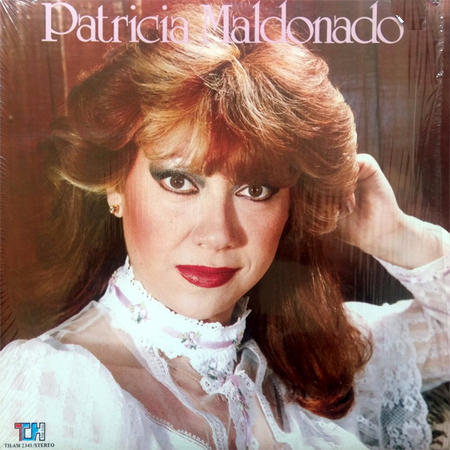
Maldonado’s comments were not made in isolation. She later clarified that her criticisms targeted the guild’s perceived inability to address issues such as fair compensation, job security and representation for actors. The remarks were framed as a call for reform, though they quickly drew backlash from within the industry.
Reactions and Retorts
Claudia Pérez, a respected television host and former colleague of Maldonado, responded to the accusations by condemning what she called “ignorant remarks” from Maldonado. Pérez emphasized the importance of solidarity within the entertainment community, stating that public attacks on industry groups risk undermining collective efforts to improve working conditions.
The exchange has highlighted a growing divide between established media personalities and labor organizations. Maldonado, known for her provocative commentary, has long been a polarizing figure. Her recent statements, however, have amplified concerns about the lack of dialogue between influential media voices and the grassroots actors’ union.
Cultural and Industry Implications
The conflict underscores broader tensions in Chile’s entertainment landscape, where debates over representation, labor rights, and institutional accountability are increasingly public. Maldonado’s remarks, while controversial, reflect a growing sentiment among some professionals that traditional industry structures are out of touch with modern demands.
For audiences, the dispute serves as a reminder of the complex relationships between media figures, labor groups, and the public. It also raises questions about the role of high-profile individuals in shaping industry discourse. As Maldonado prepares to release what she has termed an “explosive revelation” about the conflict, the situation remains a focal point for discussions about power and progress in Chilean entertainment.
The actors’ guild has yet to issue an official response, but the controversy shows no signs of subsiding. With both sides entrenched in their positions, the fallout could have lasting implications for how industry disputes are handled in the future.
