Southampton Owner Defies Pressure: Why Dragan Solak Is Backing Tonda Eckert Despite Spygate Fallout
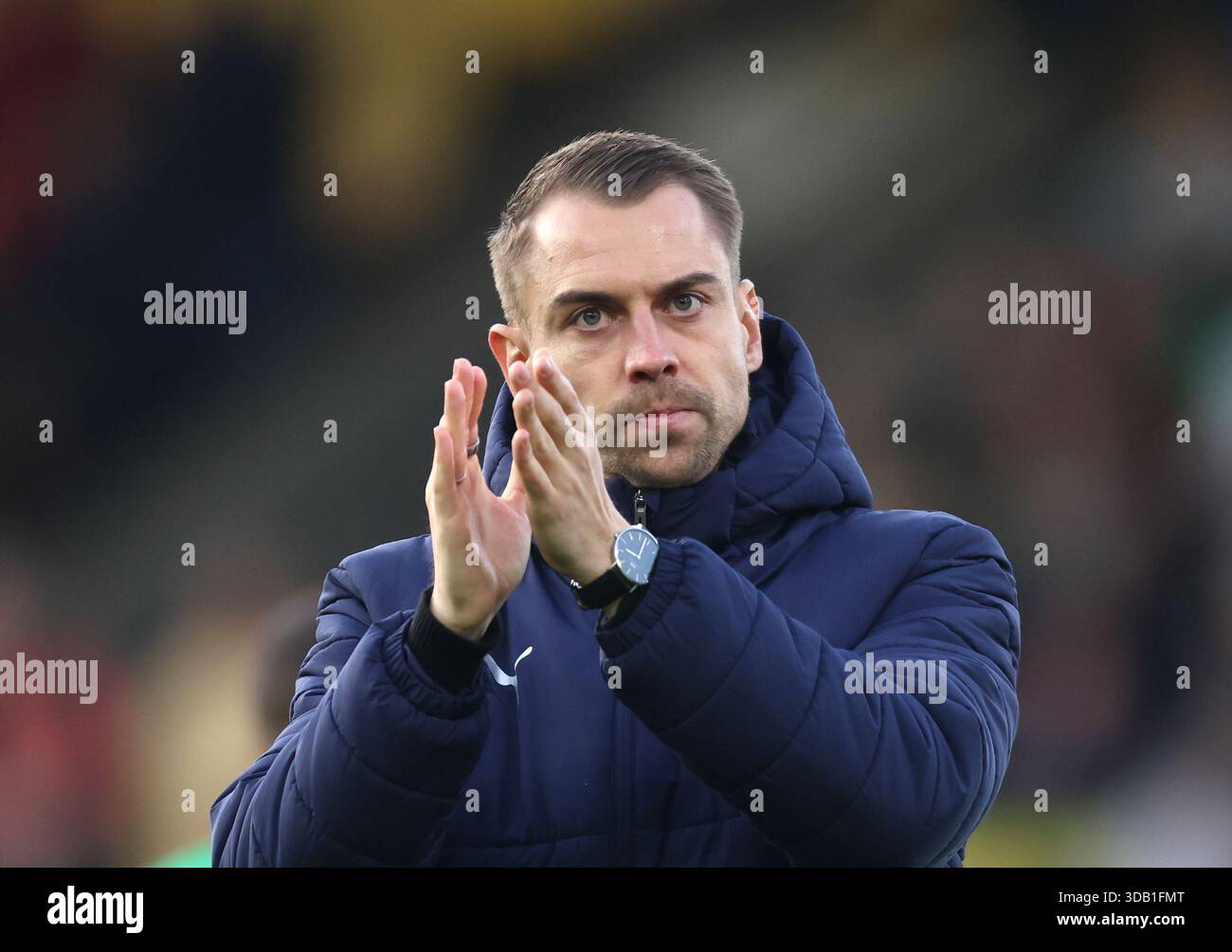
Southampton owner Dragan Solak has defied expectations by announcing he will not sack head coach Tonda Eckert following the club’s expulsion from the Championship play-offs over a controversial spying operation. The decision comes as Eckert faces growing scrutiny over his role in what an independent disciplinary panel described as a “contrived and determined plan” to gather intelligence on rival clubs, a move that has sparked outrage across English football. With Southampton now facing a four-point deduction for the 2026-27 season, the club’s future under Eckert hangs in the balance—yet Solak insists the German manager deserves another chance.
The saga, dubbed “Spygate” by the media, has exposed deep tensions between competitive ambition and ethical boundaries in modern football. Eckert’s leadership has been both celebrated for his tactical brilliance and condemned for what critics call a “toxic” culture that pressured junior staff into unethical behavior. As the dust settles, questions remain: Will Southampton’s board stand by their manager, or is this a temporary reprieve? And what does the scandal reveal about the moral limits of winning at all costs in professional sport?
— ###
The Spying Scandal: How Southampton’s Play-Off Dream Collapsed
The controversy erupted after Southampton, then in fourth place in the Championship, were expelled from the play-offs for systematically observing opponents’ training sessions—a practice explicitly prohibited by English Football League (EFL) regulations. The club’s downfall began in late May when an independent disciplinary commission ruled that Eckert had orchestrated the scheme “from the top down,” despite claiming he was unaware of the rules he was breaking.
Key details from the disciplinary hearing include:
- Direct involvement: Eckert admitted to approving proposals that placed junior staff under “extreme pressure” to carry out tasks they found morally wrong.
- Rule violation: The EFL’s arbitration panel confirmed that Southampton’s actions violated Article 12 of the league’s regulations, which bans “any form of surveillance or spying” on rival teams.
- Punishment: The club was deducted four points for the upcoming season and barred from the play-offs, effectively ending their promotion hopes.
- Player and staff reactions: While a majority of players reportedly backed Eckert’s retention, some junior staff members described feeling “betrayed” by the club’s leadership.
The scandal’s origins trace back to December 2025, when Eckert was appointed as Southampton’s permanent head coach after a brief caretaker stint. His arrival coincided with a dramatic turnaround: he steered the Saints from relegation trouble to a fourth-place finish, securing a play-off berth that now seems tainted by controversy. The club’s promotion hopes now rest on an unlikely top-four finish in a truncated 2026-27 season.
— ###
Who Is Tonda Eckert, and Why Does Southampton Still Back Him?
At 33, Tonda Eckert is one of the youngest and most ambitious managers in English football. A former professional player with stints in Germany and Switzerland, Eckert transitioned into coaching with a reputation for innovative tactics and a relentless work ethic. His appointment in December 2025 was seen as a gamble by Southampton, who were battling relegation—yet his impact was immediate.
Eckert’s managerial style has been both his greatest asset and his Achilles’ heel:
- Tactical genius: Under his leadership, Southampton adopted a high-pressing, possession-based system that earned praise from pundits and fans alike.
- Results-driven culture: His emphasis on winning at all costs has been credited with turning the club’s fortunes, but it has also led to ethical concerns.
- Controversial leadership: The “Spygate” revelations suggest a willingness to bend rules when the stakes are high—a trait that has alienated some within the football community.
Dragan Solak, the Serbian businessman who acquired a majority stake in Southampton in 2022, has repeatedly defended Eckert, framing the spying incident as a “mistake” rather than a moral failing. In an exclusive interview, Solak stated:
“I think he deserves a second chance and I would give it to him. My full support would be behind him because I think he’s a super-talented manager.”
Solak’s stance reflects a broader tension in modern football: the conflict between short-term success and long-term reputation. While Southampton’s board appears willing to overlook the ethical lapses, the fallout could have lasting consequences for the club’s standing in the league.
— ###
Timeline: From Promotion Hopes to Scandal and Back
The events leading to today’s announcement unfolded over a matter of weeks, with each development intensifying the pressure on Eckert and Southampton’s leadership. Below is a chronological breakdown of the key moments:
| Date | Event | Impact |
|---|---|---|
| December 2025 | Eckert appointed as Southampton’s permanent head coach. | Club escapes relegation; tactical overhaul begins. |
| April 2026 | Southampton secures fourth place, qualifying for play-offs. | Promotion hopes ignite; fan morale rises. |
| Late May 2026 | EFL disciplinary panel rules Southampton guilty of spying; club expelled from play-offs. | Four-point deduction for 2026-27 season announced. |
| May 30, 2026 | Arbitration panel publishes written reasons, revealing Eckert’s direct role in the scheme. | Junior staff testify about pressure to participate in unethical activities. |
| June 1, 2026 | Southampton players overwhelmingly back Eckert’s retention. | Internal divisions emerge between staff and management. |
| June 2, 2026 | Dragan Solak announces Eckert will not be sacked. | Club faces backlash from rivals and governing bodies. |
The timeline highlights how quickly Southampton’s fortunes shifted from euphoria to crisis. The play-off expulsion was a blow, but the reputational damage—particularly the revelation that Eckert was fully aware of the spying operation—has proven more enduring.
— ###
Why This Matters: The Broader Implications of “Spygate”
The Southampton scandal is not an isolated incident. In recent years, football has seen a rise in ethical dilemmas as clubs push the boundaries of competitive fairness. From VAR controversies to financial fair play disputes, the sport is increasingly grappling with questions of integrity. The “Spygate” affair raises several critical issues:
1. The Moral Cost of Winning
Eckert’s case underscores a growing trend in football: the willingness of some managers to prioritize victory over ethical conduct. While the spying operation was ultimately exposed, similar practices—such as data harvesting or tactical deception—may go unnoticed. The question for Southampton now is whether they are willing to accept the reputational cost of such tactics.
2. Junior Staff Under Pressure
The disciplinary panel’s findings revealed that junior staff members felt “extreme pressure” to participate in the spying operation, despite their moral objections. This raises concerns about workplace culture in football clubs, where junior employees may fear retaliation for challenging authority. The case could prompt calls for greater protections for staff in professional sports environments.
3. League Regulations and Enforcement
The EFL’s decision to impose a four-point deduction was seen as a strong signal that spying will not be tolerated. However, the punishment also raises questions about consistency in enforcement. If clubs perceive loopholes or weak penalties, could such incidents become more common? The Southampton case may force governing bodies to revisit their disciplinary frameworks.
4. Fan and Sponsor Trust
For Southampton, the scandal risks alienating supporters and commercial partners who value transparency and fair play. The club’s decision to retain Eckert could be seen as a gamble—one that may pay off tactically but could further damage its reputation in the long term.
— ###
Reactions: Players, Rivals, and the Football Community
The fallout from “Spygate” has sparked a range of reactions across the football world:
- Southampton players: While a majority have reportedly backed Eckert, some have expressed discomfort with the club’s handling of the scandal. An anonymous junior staff member told the disciplinary panel that they felt “betrayed” by management’s actions.
- Rival clubs: Teams affected by Southampton’s spying operation, such as Ipswich Town, have condemned the actions as “unacceptable” and called for stricter penalties. Some have suggested that the four-point deduction is insufficient given the severity of the violation.
- Football pundits: Analysts have debated whether Eckert’s retention sends the wrong message to aspiring managers. Some argue that the incident reflects a broader culture of “winning at all costs” in modern football, while others defend Eckert as a victim of poor advice.
- EFL and FA: Governing bodies have emphasized that the disciplinary process was thorough and fair. However, the case has reignited discussions about the need for clearer guidelines on ethical conduct in football.
One recurring theme in the reactions is the tension between individual ambition and collective responsibility. Eckert’s case forces football to confront whether the ends—winning promotion—can justify the means, even when those means involve crossing ethical lines.
— ###
What Happens Next for Southampton?
With the 2026-27 Championship season looming, Southampton faces a challenging path to recovery. Key considerations for the club include:
- League table impact: The four-point deduction means Southampton must now finish in the top four of a 24-team league to secure promotion—a near-impossible task given their current form.
- Fan and sponsor confidence: The club will need to reassure stakeholders that This proves taking the scandal seriously, potentially through internal reviews or staff training programs.
- Eckert’s future: While Solak has pledged his support, the manager’s long-term future remains uncertain. If Southampton fails to bounce back, pressure on the board could grow.
- Regulatory scrutiny: The EFL may monitor Southampton closely to ensure compliance with ethical standards moving forward.
For now, the focus remains on the immediate aftermath. Southampton’s board has signaled its commitment to Eckert, but the coming months will test whether that loyalty is enough to overcome the reputational damage of “Spygate.”
— ###
Key Takeaways: The Lessons from Southampton’s Spying Scandal
The Southampton “Spygate” saga serves as a cautionary tale for clubs, managers, and governing bodies alike. Here are the most important lessons emerging from the crisis:
- Ethics matter more than ever: In an era where football is increasingly scrutinized for its competitive practices, clubs cannot afford to ignore ethical boundaries.
- Junior staff deserve protection: The pressure placed on Southampton’s junior employees highlights the need for clearer workplace policies in football clubs.
- Reputation is a long-term asset: While short-term tactical gains may seem appealing, the long-term damage to a club’s image can be severe.
- Regulations require consistent enforcement: The EFL’s response to “Spygate” sets a precedent, but future cases will test whether governing bodies can maintain a unified stance.
- Winning culture has its limits: The Southampton scandal challenges the notion that any means are justified in the pursuit of victory.
— ###
FAQ: Everything You Need to Know About Southampton’s Spying Scandal
Q: What exactly did Southampton do to get expelled from the play-offs?
A: Southampton was found guilty of systematically observing rival clubs’ training sessions—a practice banned by EFL regulations. The disciplinary panel ruled that head coach Tonda Eckert had authorized the scheme, despite claiming he was unaware of the rules he was breaking.
Q: Will Southampton be promoted this season?
A: Unlikely. The club has been deducted four points for the 2026-27 season, making it nearly impossible to finish in the top four of a 24-team league and secure promotion.
Q: How did junior staff react to the spying operation?
A: Some junior staff members testified that they felt “extreme pressure” to participate in the spying, despite finding it morally wrong. Their testimonies were a key factor in the disciplinary panel’s findings.
Q: Could other clubs be investigated for similar practices?
A: While the EFL has not confirmed any ongoing investigations, the Southampton case may prompt a review of competitive practices across the league. Some rival clubs have already condemned the actions as unacceptable.
Q: What is the punishment for Southampton?
A: The club has been deducted four points for the 2026-27 season and barred from the play-offs. No financial penalties were imposed.
Q: Will Tonda Eckert remain as Southampton’s manager?
A: For now, yes. Owner Dragan Solak has stated that Eckert will not be sacked, but his long-term future depends on the club’s performance and the fallout from the scandal.
Q: How has the football community reacted to the scandal?
A: Reactions have been mixed. While some players and pundits have defended Eckert as a talented manager who made a mistake, others have criticized the club’s actions as unethical. Rival clubs have called for stricter penalties, and governing bodies have emphasized the need for consistent enforcement of rules.
—
