ASUS has entered the high-end power supply market with a product that redefines reliability and performance for demanding computing setups, signaling a strategic push into premium hardware components beyond its core gaming and professional PC segments.
The Taiwanese tech giant announced a new 3,000-watt power supply unit featuring an 80 Plus Titanium rating—the industry’s gold standard for energy efficiency. Unlike standard 80 Plus Bronze or Gold certifications, which allow for greater power loss, the Titanium rating guarantees no more than 2% conversion loss at 20% load and 5% at 100% load, making it the most efficient certification available.
Key Points
- The power supply delivers up to 3,000 watts of continuous output, targeting high-end workstations, data centers, and next-generation gaming rigs.
- Its Titanium certification ensures near-perfect energy conversion, reducing electricity waste—a critical factor as energy costs rise globally.
- The unit is part of ASUS’s broader expansion into high-margin components, complementing its existing lineup of motherboards, graphics cards, and servers.
- Pricing and exact release dates have not been disclosed, but industry analysts expect it to compete with established premium brands like Corsair, Seasonic, and be quiet!
Why Efficiency Matters in a Cost-Conscious Market
The launch comes as energy prices remain volatile across Europe, where ASUS’s European headquarters are based. For businesses and consumers running 24/7 servers, mining rigs, or high-performance PCs, a power supply with Titanium-level efficiency translates directly to lower operational costs. Over a year, even a small percentage improvement in energy conversion can add up to hundreds or thousands of euros in savings—particularly relevant in Germany, where industrial electricity prices have surged due to geopolitical energy shifts.
ASUS’s move also reflects a broader industry trend: as components like GPUs and CPUs demand more power, traditional power supplies struggle to keep up without sacrificing efficiency or reliability. The new unit addresses this by combining high wattage with minimal heat generation and noise, aligning with the demands of data centers and overclocking enthusiasts.
ASUS’s Component Strategy: Beyond Chassis and Displays
While ASUS has long dominated the PC peripheral market with products like its ROG (Republic of Gamers) and ProArt lines, the company has historically outsourced power supply manufacturing to third-party contractors. By developing its own high-end PSU, ASUS is not only controlling quality but also capturing a segment previously dominated by specialized firms. This mirrors its recent acquisitions in display technology and server hardware, suggesting a deliberate shift toward vertical integration in critical components.
Industry observers note that ASUS’s entry into the premium PSU market could pressure competitors to innovate further, potentially driving down prices for high-efficiency units over time. However, the absence of a stated retail price leaves open the question of whether ASUS will position the product as a premium-tier offering—likely priced above mid-range options—or as a cost-effective alternative to established brands.
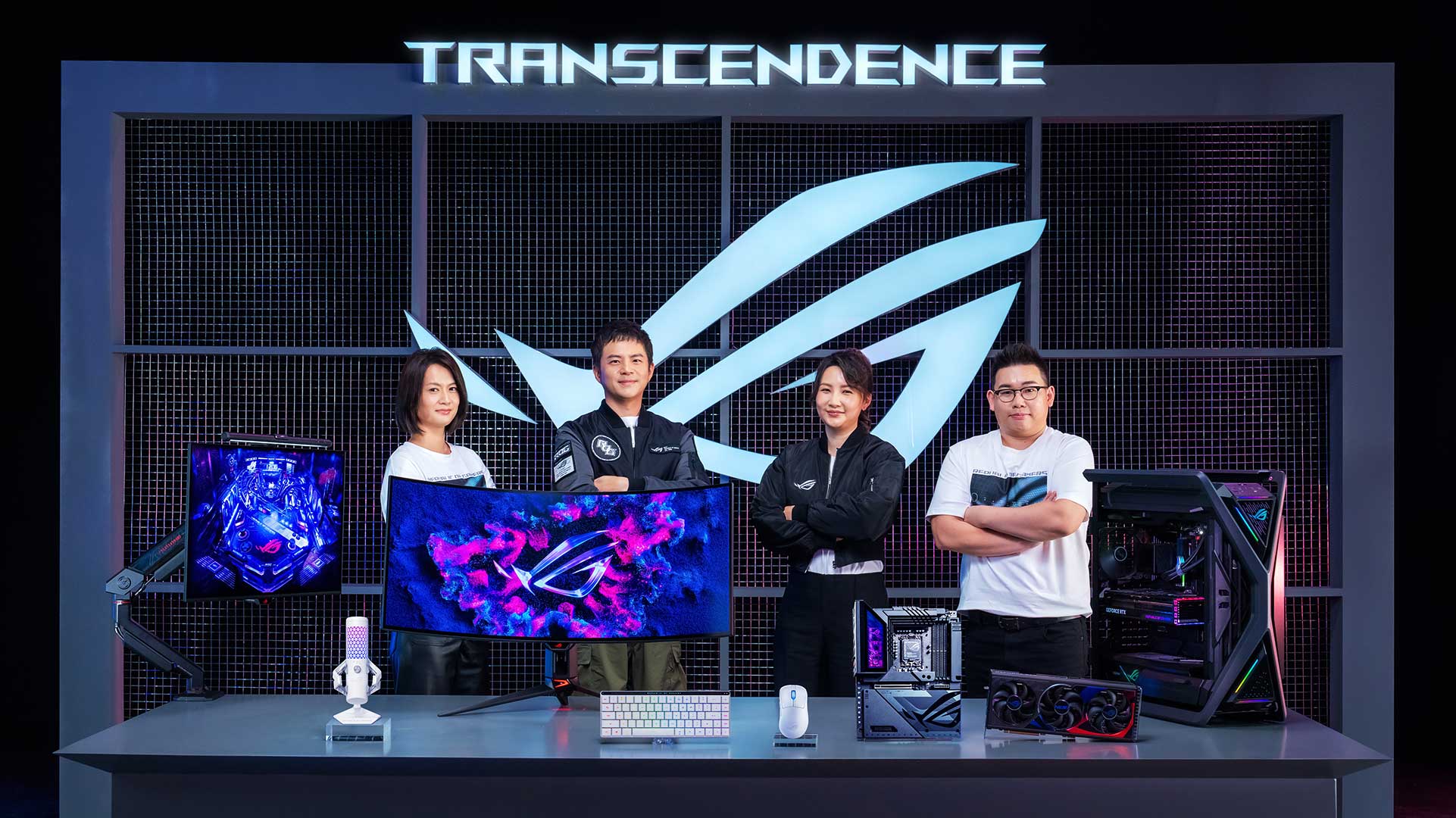
What’s Next for ASUS’s Power Supply Lineup
ASUS has not confirmed whether additional models or wattage tiers will follow, but the company’s track record suggests What we have is the first in a series. The timing aligns with the upcoming holiday season, a peak period for high-end PC upgrades. If the unit performs well in benchmarking and real-world testing, analysts expect ASUS to expand its component portfolio further, potentially targeting enterprise-grade power solutions for data centers.
The development also raises questions about ASUS’s long-term strategy in Europe, where energy efficiency regulations are tightening. A Titanium-rated PSU not only appeals to cost-conscious buyers but also positions ASUS as a compliant player in markets where energy-saving certifications are increasingly mandatory for commercial hardware.
