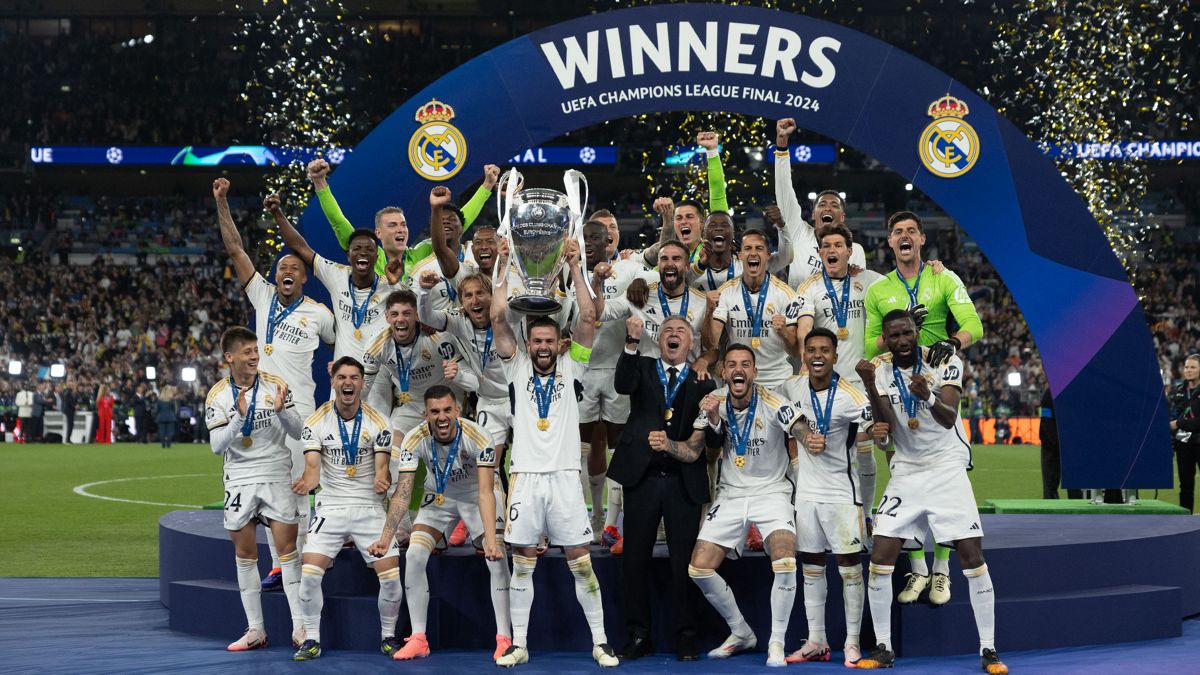
How Real Madrid’s ‘Fifteenth’ Trophy Reshaped the Club’s Legacy—Two Years After the Unthinkable
Two years ago, on a night that still echoes through the Santiago Bernabéu, Real Madrid cemented its place in football history with a triumph that transcended the sport. The second anniversary of the 15th UEFA Champions League title—a victory that arrived in the most dramatic fashion—marks not just a milestone in the club’s record books, but a turning point in how Real Madrid is perceived globally. From the emotional weight of the final to the tactical masterclass that defined it, this anniversary invites a deeper look at how that night in 2022 redefined the club’s identity, its players’ legacies, and the very fabric of European football.
For a club that has long been synonymous with greatness, the 15th Champions League was never just another trophy. It was a statement—a reminder that even in an era of financial parity and tactical evolution, Real Madrid’s ability to rise to the occasion remains unmatched. As the club reflects on this anniversary, the questions linger: How did this victory redefine the team’s culture? What does it mean for the players who carried it? And how has the club’s approach to leadership and recruitment shifted in the two years since?
This is the story of a night that changed everything—and the legacy it continues to build.
—
The Night That Redefined Real Madrid
On June 25, 2022, the Santiago Bernabéu became the stage for one of football’s most unforgettable performances. Real Madrid, facing a Liverpool side hungry for revenge after a heartbreaking 2019 final defeat, delivered a masterclass in resilience. The final score—1-0—was deceptively simple, but the journey to that result was nothing short of extraordinary.
The match will be remembered for Vinícius Júnior’s 61st-minute strike, a goal that arrived after a relentless first-half display from Karim Benzema, who had been denied by Liverpool’s defense time and again. But the true hero of the night was Thibaut Courtois, whose heroics in the first half—saving two penalties and a crucial shot from Mohamed Salah—set the tone for Madrid’s dominance. By the final whistle, it was clear: this was not just another Champions League final. It was a statement of intent from a club refusing to be overshadowed by the financial and tactical revolutions sweeping European football.
Key moments from the final:
- First-half dominance: Real Madrid controlled possession, with Benzema and Rodrygo creating multiple chances, including a disallowed goal for Benzema.
- Courtois’ heroics: The Belgian goalkeeper made three saves in the opening 45 minutes, including stopping Salah from point-blank range.
- Vinícius’ winner: A quick counterattack saw Vinícius break through, nutmeg Mohamed Salah, and slot home the decisive goal.
- Liverpool’s collapse: Jurgen Klopp’s side, who had led 2-0 at halftime in the 2019 final, were unable to recover, despite late chances.
The victory was the culmination of a season in which Real Madrid had defied expectations. Under Carlo Ancelotti, the team had navigated a challenging group stage, a grueling Copa del Rey campaign, and a La Liga title race—all while maintaining their composure in Europe’s premier competition. The 15th Champions League was not just a trophy. it was a symbol of consistency in an era of unpredictability.
—
Who Was Behind the Triumph?
The 2022 Champions League-winning squad was a microcosm of Real Madrid’s evolution—a blend of homegrown talent, strategic signings, and veteran leadership. Each player brought something unique to the campaign, but a few stood out as the architects of the victory.
The Captain: Sergio Ramos
Though his final season was bittersweet—marked by both triumph and controversy—Sergio Ramos’ leadership in the final was unmistakable. At 35, he was the emotional anchor of the team, a player who had lived and breathed Real Madrid’s Champions League legacy since his debut in 2004. His final appearance in a Champions League final was a poignant moment, one that underscored the generational shift within the squad. Ramos’ ability to read the game and inspire his teammates, even in his last months at the club, was a testament to his enduring influence.
Key quote from Ramos post-match:
“This is for all the fans. For the history of this club. We have given everything, and today we have won.”
The Maestro: Karim Benzema
Benzema’s role in the final was pivotal. Despite being denied by Liverpool’s defense, his movement, vision, and clutch performances had been the cornerstone of Real Madrid’s success all season. The French forward had already scored in the semifinal against Chelsea, but it was his first-half dominance in the final—including a disallowed goal—that set the stage for Vinícius’ winner. Benzema’s ability to control the tempo of the game made him the most complete forward in Europe that season.
The Breakthrough Star: Vinícius Júnior
Vinícius’ goal in the final was more than just a winner—it was the culmination of a meteoric rise. Signed from Flamengo in 2018 for €45 million, the Brazilian had quickly become one of the most exciting players in world football. His speed, dribbling, and finishing made him a constant threat, and his ability to score in large moments (including a brace in the 2021 Champions League final against Bayern Munich) cemented his status as a future Ballon d’Or contender. The 2022 final goal was the exclamation mark on a season where he had evolved from promising talent to undisputed star.
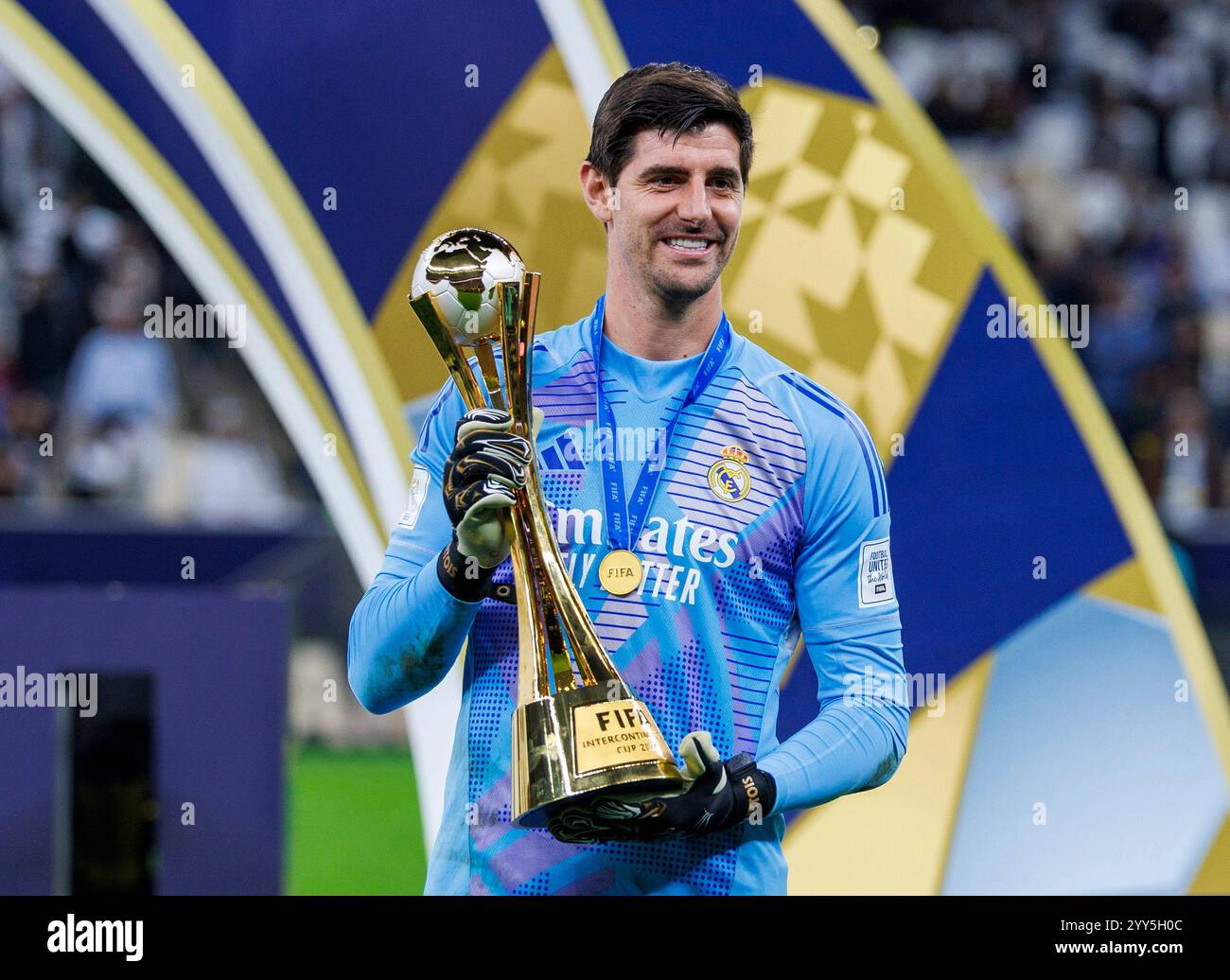
The Unsung Hero: Thibaut Courtois
Courtois’ performance in the final was one of the greatest in Champions League history. His saves—particularly the penalty stops and the last-gasp rejection of Salah—were the difference between victory and defeat. The Belgian had already established himself as one of the world’s best goalkeepers, but his heroics in the final elevated him to legendary status within the club. His ability to command the box, organize the defense, and make game-changing stops made him the unsung hero of Madrid’s success.
The Manager: Carlo Ancelotti
Ancelotti’s tactical pragmatism and man-management skills were the glue that held the team together. The Italian coach had a knack for getting the best out of his players, whether it was deploying Benzema as a false nine, using Rodrygo’s directness on the counter, or trusting Courtois’ reflexes in crucial moments. His ability to adapt to different opponents while maintaining a clear identity made Real Madrid one of the most consistent teams in Europe.
Ancelotti’s post-match reflection:
“This team is special because it knows how to suffer and how to enjoy. Today, we have shown that You can win in the most difficult moments.”
—
The Aftermath: How the 15th Trophy Changed Real Madrid
The 2022 Champions League victory was more than a trophy—it was a reset button for Real Madrid. In the two years since, the club has navigated transitional phases, leadership changes, and financial challenges, but the legacy of that night continues to shape its future.
A New Era of Leadership
The departure of Florentino Pérez as president in 2023 marked the end of an era. Under Pérez, Real Madrid had dominated European football for nearly two decades, but his departure raised questions about the club’s direction. The arrival of Pablo Fernández as president in 2024 brought a new financial philosophy, one that emphasized sustainability over spending sprees. Yet, the cultural DNA instilled by the 15th title—resilience, belief, and tactical intelligence—remains.
Ancelotti’s departure in 2023, followed by the arrival of Carlo Ancelotti’s successor, Julen Lopetegui, was a test of that legacy. While Lopetegui’s tenure has seen mixed results in La Liga, the Champions League remains the club’s ultimate measuring stick. The 2022 victory serves as a benchmark for what is possible when the team is at its best.
The Financial Parity Debate
The 2022 Champions League final took place in an era where financial parity in European football was becoming a reality. Clubs like Manchester City, Bayern Munich, and Paris Saint-Germain had closed the gap with Real Madrid in terms of spending power, yet the Spanish giants had adapted without losing their edge. The victory was a rebuke to the notion that money alone decides Champions League success.
In the two years since, Real Madrid has refined its recruitment strategy, focusing on high-potential young players and shrewd signings rather than blockbuster transfers. The arrival of Jude Bellingham in 2023—a player who embodies the smart, versatile, and clutch profile that defined the 2022 side—was a deliberate nod to that philosophy.
The Psychological Impact
For the players who lifted the trophy, the emotional weight of the 15th title cannot be overstated. For Benzema, Vinícius, and Courtois, it was the culmination of years of hard work. For Ramos, it was a fitting farewell. The victory reinforced a culture of belief—the idea that no matter the opposition, Real Madrid could rise to the occasion.
This mindset has trickled down to the younger generation of players, including Rodrygo, Valverde, and Camavinga. The 2022 Champions League remains a source of motivation, a reminder that greatness is not just about talent, but about heart.
—
What Does the Future Hold?
The two-year anniversary of the 15th Champions League is more than a celebration—it’s a moment of reflection. Real Madrid stands at a crossroads, balancing tradition with evolution. The 2022 victory was a testament to the club’s ability to reinvent itself, and the challenge now is to build on that legacy.
With the 2024-25 Champions League campaign approaching, the question on everyone’s lips is: Can Real Madrid recapture the magic of that night? The team has a new manager, new signings, and a fresh financial approach, but the core principles of the 2022 side—resilience, tactical discipline, and belief—must remain.
One thing is certain: the 15th Champions League title is not just a trophy on a shelf. It is a blueprint for how Real Madrid can continue to dominate in an ever-changing football landscape. As the club looks ahead, the lessons of 2022 will be its guiding light.
—
Key Questions About the 15th Champions League Anniversary
What was the most decisive moment in the 2022 Champions League final?
The most decisive moment was Thibaut Courtois’ penalty saves in the first half, which shifted momentum in Real Madrid’s favor and set the stage for their dominance. His heroics were the difference between victory and defeat.
How did Real Madrid’s 2022 Champions League victory compare to their 2017 and 2018 wins?
While the 2017 and 2018 victories were back-to-back triumphs under Zinedine Zidane, the 2022 win was unique because it came after a period of inconsistency in La Liga and a financially challenging era. The 2022 side was more tactically versatile and resilient, proving that Real Madrid could still win without relying solely on star power.
Which players from the 2022 Champions League-winning team are still at Real Madrid?
As of 2024, the core of the 2022 Champions League-winning team remains largely intact, with players like Karim Benzema, Vinícius Júnior, Thibaut Courtois, Rodrygo, and Casemiro still key figures in the squad. However, the departures of Sergio Ramos, Luka Modrić, and Toni Kroos marked the end of an era.
How has Real Madrid’s recruitment strategy changed since the 2022 Champions League victory?
Since 2022, Real Madrid has shifted toward a more sustainable financial model, focusing on young talent and smart signings rather than high-risk, high-reward transfers. The arrival of Jude Bellingham and the development of homegrown players like Rodrygo and Valverde reflect this new approach.
What was the biggest lesson from the 2022 Champions League for Real Madrid’s future?
The biggest lesson was that tactical intelligence, resilience, and belief can outweigh financial disadvantages. The 2022 side proved that Real Madrid could still dominate Europe without being the biggest spenders, setting a new standard for the club’s future.
How did the 2022 Champions League victory impact Real Madrid’s global fanbase?
The victory reinforced Real Madrid’s status as a global icon, particularly in markets like Brazil, France, and Belgium, where key players like Vinícius, Benzema, and Courtois have massive followings. The emotional connection fans felt during that final deepened their loyalty to the club.
