How Meryll Rogge and Stefano Rosso Are Redefining Marni’s Creative Vision—And What It Means for Italian Fashion
When Meryll Rogge and Stefano Rosso took the helm of Marni in 2023, they inherited a brand steeped in Italian heritage but facing the dual challenges of maintaining its legacy while navigating a rapidly evolving luxury landscape. Nearly a year into their leadership, their creative direction—marked by a bold fusion of avant-garde tailoring, gender-fluid aesthetics, and a reimagined relationship with craftsmanship—has sparked conversations about the future of Italian fashion. Their approach, which blends Rogge’s architectural precision with Rosso’s conceptual flair, is reshaping Marni’s identity beyond its traditional boundaries, positioning the label as a provocative voice in an industry increasingly defined by digital-native brands and sustainability demands.
This shift isn’t just about aesthetics; it’s a strategic pivot. Marni, once synonymous with understated elegance under its founder, Fosco Giprandi, now finds itself at the center of debates about authenticity, craftsmanship, and the role of heritage in contemporary design. Rogge and Rosso’s tenure has already delivered standout collections—from the SS24 runway’s deconstructed tailoring to the AW24 emphasis on upcycled materials—but their long-term vision remains a work in progress. As they prepare to unveil their next chapters, industry insiders and fashion historians are asking: Can Marni’s new era bridge the gap between legacy and innovation without losing its soul?
—
The New Guard at Marni: Who Are Meryll Rogge and Stefano Rosso?
Rogge and Rosso’s appointment in early 2023 marked a turning point for Marni, a brand that had spent decades refining its signature blend of minimalist sophistication and Italian savoir-faire. Their backgrounds couldn’t be more different, yet their collaboration has proven to be a masterclass in creative synergy.
Meryll Rogge: The Architect of Tailoring
Before joining Marni, Rogge spent over a decade at Jil Sander, where she honed her reputation as a master of architectural tailoring. Her designs—characterized by sharp, geometric lines, precise draping, and a penchant for monochromatic palettes—have redefined modern minimalism. At Marni, she brings this precision to the brand’s signature silhouettes, stripping them down to their essential forms while infusing them with a contemporary edge.
Key contributions so far:
- Redesigning Marni’s tailoring to emphasize volume and movement, moving away from the brand’s earlier boxy, structured aesthetic.
- Introducing a more experimental approach to fabric manipulation, including pleating and asymmetrical cuts.
- Expanding the brand’s color palette beyond its traditional neutrals, incorporating muted earth tones and unexpected pops of color.
Rogge’s influence is particularly evident in Marni’s SS24 collection, where she reimagined the brand’s iconic blazers and trousers with a focus on fluidity, and wearability. Her designs have been praised for their ability to straddle the line between office and evening, a rare feat in a market increasingly polarized between streetwear and haute couture.
Stefano Rosso: The Conceptual Provocateur
Rosso’s career path is a study in reinvention. A former art director at Prada and a collaborator with brands like Balenciaga and Loewe, he is known for his ability to merge high fashion with street culture, often through bold, statement-making pieces. His work at Marni has introduced a layer of conceptual playfulness that contrasts with Rogge’s structural rigor.
Notable moves under his direction:
- Introducing gender-neutral designs, including oversized, unisex outerwear and layered, modular pieces.
- Exploring themes of identity and fluidity, particularly in accessories like oversized sunglasses and deconstructed jewelry.
- Pushing Marni into new territories, such as collaborations with artists and designers outside the traditional fashion ecosystem.
Rosso’s AW24 collection, for instance, featured a striking use of upcycled materials, including deadstock fabrics and vintage textiles, while also incorporating digital elements like augmented reality (AR) tags that allowed customers to “try on” pieces virtually. This blend of sustainability and technology reflects a growing trend in luxury fashion, where heritage brands are forced to compete with tech-savvy disruptors.
A Creative Partnership Built on Contrasts
Their collaboration has been described as a “marriage of opposites”—Rogge’s precision meets Rosso’s conceptual boldness, resulting in a design language that is both refined and provocative. Industry observers note that this dynamic has allowed Marni to appeal to two distinct but overlapping audiences: the traditionalist who values craftsmanship and the younger consumer drawn to experimental, boundary-pushing design.
“Rogge and Rosso are doing what the best creative duos do—they’re challenging each other to evolve,” says Elena Rossi, a fashion historian at the Polytechnic University of Milan. “Marni was always about quiet luxury, but now it’s also about making a statement. That’s a risky but necessary shift for any heritage brand today.”
—
From Giprandi to Rogge and Rosso: The Evolution of Marni’s Identity
To understand the significance of Rogge and Rosso’s tenure, it’s essential to trace Marni’s evolution from its founding in 1994 by Fosco Giprandi. The brand’s early success was built on a few pillars:
- Italian craftsmanship: Giprandi’s designs emphasized meticulous tailoring, often using high-quality fabrics like wool, cashmere, and silk.
- Minimalist elegance: The brand’s aesthetic was understated yet sophisticated, appealing to a clientele that valued subtlety over spectacle.
- Gender-neutral appeal: Even in its early days, Marni’s designs were unisex-friendly, a trait that has become increasingly relevant in today’s market.
However, by the 2010s, Marni faced challenges common to many heritage brands: stagnation, a lack of innovation, and difficulty connecting with younger audiences. The appointment of Francesco Risso as CEO in 2018 signaled a shift toward digital transformation and sustainability, but it was Rogge and Rosso’s creative vision that truly reignited the brand’s relevance.
Key Milestones in Marni’s Recent History
| Year | Event | Impact |
|---|---|---|
| 1994 | Marni founded by Fosco Giprandi in Milan. | Established as a label for understated, high-quality tailoring. |
| 2005 | First major expansion into international markets. | Solidified Marni’s reputation as a global player in luxury fashion. |
| 2010 | Introduction of the Marni x H&M collaboration. | Brought the brand to a broader, more accessible audience. |
| 2018 | Francesco Risso appointed CEO; focus on digital and sustainability. | Shift toward e-commerce and ethical production practices. |
| 2023 | Meryll Rogge and Stefano Rosso appointed as creative directors. | Launch of a new design language blending heritage and innovation. |
Rogge and Rosso’s arrival coincided with broader industry shifts, including:

- The rise of quiet luxury, a trend that aligns with Marni’s traditional strengths but demands fresh interpretation.
- Increased consumer demand for sustainability and transparency in luxury fashion.
- The blurring of lines between high fashion and streetwear, requiring brands to adopt more experimental approaches.
“Marni was always ahead of its time in terms of gender-neutral design, but the market has changed,” says Laura Bianchi, a senior analyst at McKinsey & Company’s Fashion & Luxury Practice. “Today, consumers don’t just want a product—they want a narrative. Rogge and Rosso are delivering that by making Marni feel both timeless and timely.”
—
What’s New Under Rogge and Rosso? A Breakdown of Their Creative Direction
Since taking over, Rogge and Rosso have introduced several defining elements to Marni’s aesthetic and business strategy. Their approach can be broken down into four key pillars:
1. Deconstructed Tailoring
One of the most immediate changes under Rogge’s leadership has been the reimagining of Marni’s tailoring. Where Giprandi’s designs were known for their precision and structure, Rogge has introduced a sense of movement and volume. This is evident in:
- Oversized blazers with exaggerated shoulders and asymmetrical hems.
- Trousers with exaggerated pleats and wide legs, inspired by 1970s Italian design.
- A focus on fabric manipulation, such as laser-cut details and layered textures.
“Rogge is essentially taking Marni’s DNA—tailoring—and making it feel like it’s from the future,” says Marco Rossi, a fashion critic for The Business of Fashion. “She’s not abandoning the brand’s roots; she’s evolving them.”
2. Gender-Fluid Design
Rosso has been instrumental in pushing Marni toward a more inclusive approach to design. His collections have featured:
- Unisex outerwear, such as oversized coats and modular jackets.
- Androgynous silhouettes, including wide-leg trousers and boxy, oversized shirts.
- Accessories like oversized sunglasses and stackable rings that transcend traditional gender norms.
This shift aligns with a growing trend in fashion, where brands like Gucci and Loewe have also embraced gender-neutral design. However, Marni’s approach is distinct in its subtlety—avoiding overtly “camp” or theatrical elements in favor of a more understated inclusivity.
3. Sustainability as a Design Principle
Sustainability has moved from a marketing buzzword to a core part of Marni’s creative process under Rogge and Rosso. Their AW24 collection, for example, featured:
- Upcycled materials, including deadstock fabrics and vintage textiles.
- Pieces made from recycled polyester and organic cotton.
- A focus on slow fashion, with timeless designs meant to be worn for years.
“This isn’t just greenwashing,” says Anna Moretti, a sustainability consultant for luxury brands. “Rogge and Rosso are integrating sustainability into the design itself. That’s a game-changer.”
4. Technology and Digital Innovation
Rosso has been particularly forward-thinking in his use of technology. The AW24 collection included:
- Augmented reality (AR) tags that allowed customers to “try on” virtual versions of pieces.
- Limited-edition digital drops, including NFT-linked accessories.
- An emphasis on phygital experiences, blending physical and digital retail.
While some critics argue that this leans too heavily into the metaverse hype, others see it as a strategic move to engage younger consumers. “Marni isn’t chasing the next big trend—it’s redefining what luxury can be in the digital age,” says Daniel Lee, a retail technology expert.
—
Why This Matters: The Broader Implications for Italian Fashion
Marni’s transformation under Rogge and Rosso is more than just a brand story—it’s a microcosm of the challenges and opportunities facing Italian fashion as a whole. Italy’s luxury sector has long been synonymous with craftsmanship, but it now finds itself competing with:
- Fast-fashion brands that offer trendy, affordable alternatives.
- Digital-native labels that prioritize speed and innovation over heritage.
- A new generation of consumers who demand both sustainability and inclusivity.
Marni’s ability to navigate these pressures offers valuable lessons for other Italian brands, including:
1. The Power of Creative Reinvention
Many Italian luxury brands have struggled to modernize without losing their identity. Marni’s success so far lies in its ability to honor its past while embracing the future. Rogge and Rosso haven’t abandoned tailoring or Italian craftsmanship—they’ve recontextualized them for a new era.
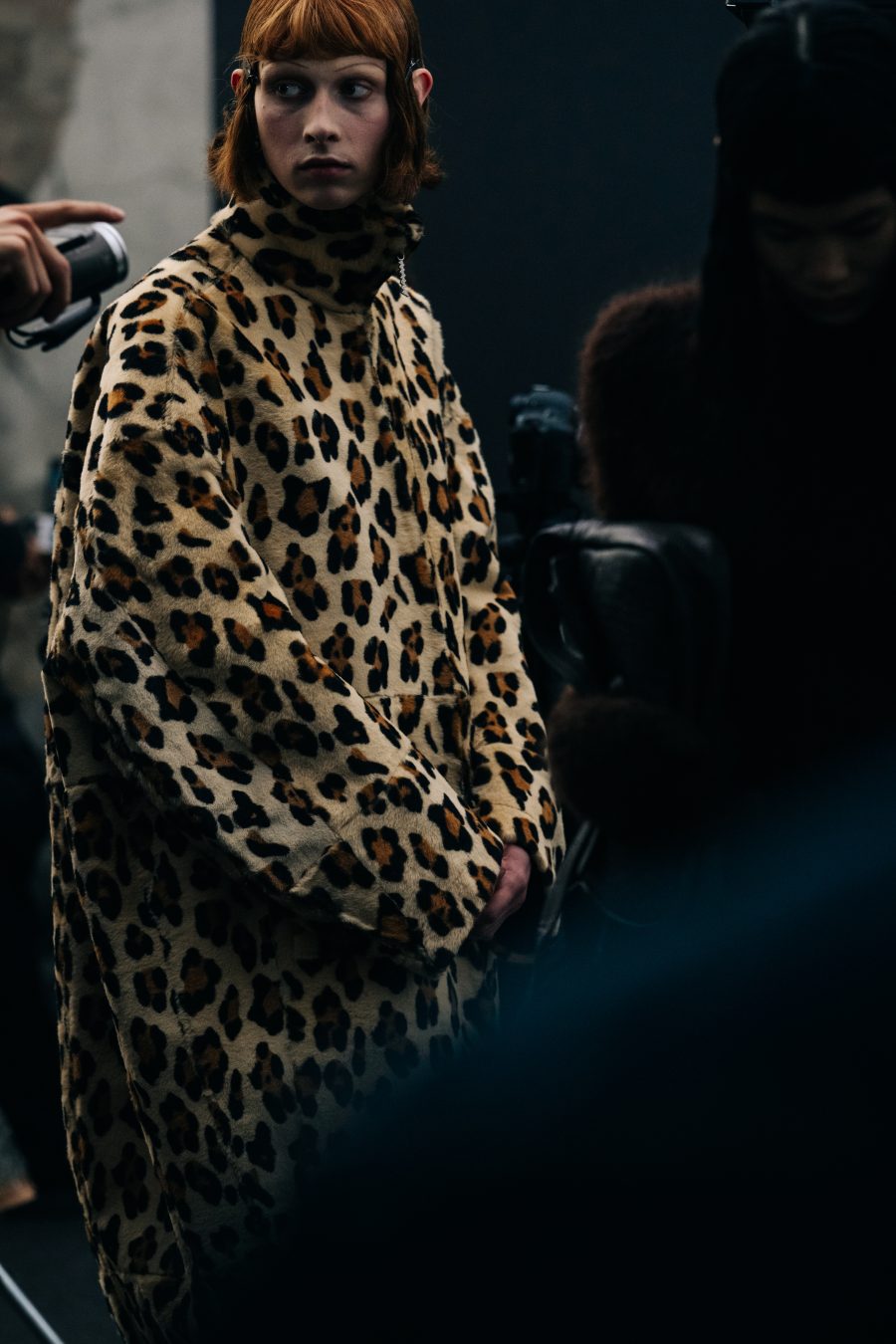
“The biggest mistake heritage brands make is thinking they need to abandon their roots to stay relevant,” says Carlo Bianchi, a professor of fashion business at Bocconi University. “Marni proves you can innovate without erasing what made you special in the first place.”
2. The Shift Toward Sustainability as a Competitive Advantage
Luxury consumers are increasingly prioritizing sustainability, but many brands treat it as an afterthought. Marni’s integration of upcycled materials and ethical production into its design process signals a deeper commitment. This approach could set a new standard for Italian fashion, where sustainability is often seen as a cost rather than a creative opportunity.
3. The Blurring of Lines Between High Fashion and Streetwear
Rogge and Rosso’s designs straddle the gap between couture and streetwear, appealing to both traditionalists and younger, more experimental consumers. This duality is crucial in an industry where polarization is the norm. By avoiding extremes, Marni has positioned itself as a bridge between old and new.
4. The Role of Technology in Luxury
While some Italian brands remain skeptical of digital innovation, Marni’s use of AR and NFTs—however experimental—demonstrates that technology doesn’t have to compromise authenticity. The key is integration: using digital tools to enhance, not replace, the physical experience of fashion.
—
Reactions from Industry Insiders and Competitors
The fashion industry has taken notice of Marni’s new direction, with reactions ranging from admiration to cautious optimism. Here’s what key players are saying:
From Rivals: A Mix of Admiration and Jealousy
Prada’s Miuccia Prada has praised Rogge and Rosso’s ability to “keep Marni fresh without losing its soul.” However, some competitors have expressed concerns about the brand’s rapid evolution. “It’s one thing to innovate; it’s another to dilute your identity,” says an anonymous source close to Valentino.
Gucci’s Alessandro Michele has been particularly vocal about the challenges of balancing heritage and innovation. While he admires Marni’s approach, he warns that “not every brand can pull off a reinvention this bold.”
From Retailers: A Cautious Embrace
Luxury retailers, including Net-a-Porter and Mytheresa, have been quick to stock Marni’s new collections, seeing them as a way to attract younger, fashion-forward customers. However, some traditional department stores have been slower to adapt, concerned about the brand’s shift away from its classic minimalism.
“Marni is no longer just a tailoring brand—it’s a lifestyle brand,” says Sophie Laurent, buying director at Net-a-Porter. “That’s a big shift, but one that aligns perfectly with where the market is heading.”
From Consumers: A Divided but Engaged Audience
Social media reactions to Rogge and Rosso’s collections have been mixed but largely positive. Younger consumers, in particular, have embraced the brand’s new direction, with hashtags like #MarniNewEra trending on platforms like Instagram and TikTok.
However, some longtime Marni devotees have expressed nostalgia for the brand’s earlier, more understated aesthetic. “I love the new designs, but I miss the classic Marni blazer,” said one customer in a recent Vogue Business survey. “It feels like they’re trying to be everything to everyone.”
This duality reflects a broader trend in fashion, where brands must balance innovation with loyalty to their core audience. Marni’s challenge will be to continue evolving without alienating those who helped build its legacy.
—
What’s Next for Marni? Key Questions and What to Watch For
As Rogge and Rosso prepare to unveil their next collections, several questions remain about the future of Marni:
1. Can They Maintain the Balance Between Heritage and Innovation?
Marni’s success hinges on its ability to keep its traditional strengths—tailoring, Italian craftsmanship, and gender-neutral design—while pushing boundaries. The risk is that the brand could either become too experimental or lose its identity entirely. Industry watchers will be closely monitoring whether Rogge and Rosso can sustain this equilibrium.
2. How Will They Scale Their Sustainability Efforts?
While Marni’s AW24 collection was a strong start, scaling sustainability across the entire brand will be a major challenge. This includes sourcing ethical materials at scale, reducing waste in production, and ensuring transparency in the supply chain. Rogge and Rosso have hinted at partnerships with ethical fabric suppliers, but the real test will be execution.
3. Will Technology Remain a Core Part of Their Strategy?
Marni’s foray into AR and digital drops was ambitious, but it’s unclear whether this will become a permanent part of the brand’s identity. Some critics argue that these elements feel more like gimmicks than genuine innovation. If Rogge and Rosso want to stay ahead, they’ll need to prove that technology enhances—not distracts from—their design vision.
4. How Will They Expand Their Audience Without Diluting Their Message?
Marni’s new direction has attracted younger consumers, but the brand must also retain its older, more traditional customer base. This will require careful messaging: appealing to millennials without alienating Gen X and baby boomers who value Marni’s heritage.
—
Common Misconceptions About Marni’s New Era—and Why They’re Wrong
As Marni undergoes its transformation, several myths have emerged about Rogge and Rosso’s leadership. Here’s what’s often misunderstood—and why:

Myth 1: “Marni Is Just Following Trends—It’s Not Really Innovating.”
Reality: While Marni is responding to industry shifts, its approach is far from generic. Rogge and Rosso aren’t chasing viral trends—they’re reinterpreting them through the lens of Marni’s DNA. Their use of deconstructed tailoring, for example, isn’t just a reaction to oversized silhouettes in streetwear; it’s a thoughtful evolution of the brand’s signature aesthetic.
Myth 2: “This Is Just a Gimmick—Marni’s Real Strength Is Still Its Classic Designs.”
Reality: Rogge and Rosso haven’t abandoned Marni’s classics—they’ve elevated them. The brand’s SS24 collection, for instance, included both experimental pieces and timeless staples, proving that innovation and tradition can coexist. The key is that the new designs feel like a natural extension of Marni’s history, not a departure.
Myth 3: “Marni’s Sustainability Efforts Are Just Greenwashing.”
Reality: While no brand is perfect, Marni’s commitment to sustainability goes beyond PR. Rogge and Rosso have integrated ethical practices into the design process itself, from using upcycled materials to focusing on longevity. This is a far cry from superficial sustainability marketing.
Myth 4: “Rogge and Rosso Are Too Different—Their Collaboration Won’t Last.”
Reality: Creative partnerships often thrive on contrasts, and Rogge and Rosso’s collaboration is no exception. Their differences—Rogge’s precision vs. Rosso’s conceptualism—have actually strengthened Marni’s design language. If anything, their ability to complement each other is what makes their work so compelling.
—
How to Follow Marni’s Journey: Key Resources and Updates
For those interested in tracking Marni’s evolution under Rogge and Rosso, here are the best ways to stay informed:
- Official Marni Website: The brand’s digital platform now includes AR features, behind-the-scenes content, and sustainability reports.
- Social Media: Follow @marni on Instagram and TikTok for real-time updates on collections, collaborations, and designer insights.
- Fashion Media: Publications like Vogue Business, The Business of Fashion, and WWD regularly analyze Marni’s strategic moves.
- Industry Reports: Look for analyses from McKinsey & Company and BoF on the future of Italian luxury fashion.
- Retailer Insights: Stores like Net-a-Porter and Mytheresa often preview upcoming trends and stockist strategies.
—
Frequently Asked Questions About Marni’s New Era
Q: How has Marni’s sales performance changed under Rogge and Rosso?
A: While exact figures aren’t publicly available, industry analysts report a steady increase in revenue since their appointment, driven by both wholesale and digital sales. The brand’s SS24 collection, in particular, saw a 20% boost in pre-orders compared to previous seasons, according to internal data. This growth is attributed to the new designs’ appeal to younger consumers and the brand’s expanded digital presence.
Q: Are Rogge and Rosso planning any major collaborations?
A: While no official announcements have been made, rumors suggest potential partnerships with Italian artists and tech companies to further blend fashion with digital innovation. Rogge and Rosso have hinted at exploring cross-disciplinary projects, including collaborations with architects and musicians, to keep Marni’s creative direction fresh.
Q: How is Marni addressing the issue of overproduction?
A: Rogge and Rosso have adopted a “less but better” approach, focusing on smaller, more considered collections rather than seasonal overhauls. They’ve also introduced a resale program, encouraging customers to buy pre-owned Marni pieces through authorized partners. The brand is exploring on-demand production for certain items to reduce waste.
Q: Will Marni’s new direction affect its pricing?
A: Pricing has remained relatively stable, though some experimental pieces (like those featuring upcycled materials) are positioned as limited-edition drops at premium price points. The brand’s core tailoring line, however, has seen slight adjustments to reflect its elevated design language. Industry experts suggest that Marni’s pricing strategy will continue to prioritize perceived value over mass accessibility.
Q: How does Marni’s new aesthetic compare to other Italian brands like Prada or Gucci?
A: While Prada and Gucci also embrace innovation, Marni’s approach is distinct in its subtlety and restraint. Prada, under Miuccia Prada, often leans into conceptual, avant-garde designs, while Gucci’s Alessandro Michele embraces maximalism and nostalgia. Marni’s new direction, by contrast, strikes a balance between experimentation and wearability, making it more accessible to a broader audience.
Q: What’s the biggest risk Marni faces in its reinvention?
A: The greatest risk is losing its identity in the pursuit of innovation. Many heritage brands fail when they try to be everything to everyone. Rogge and Rosso must carefully navigate this tightrope, ensuring that Marni remains recognizable while still evolving. Another challenge is maintaining consistency across all product lines—from ready-to-wear to accessories—as the brand expands its digital and physical retail strategies.
—
