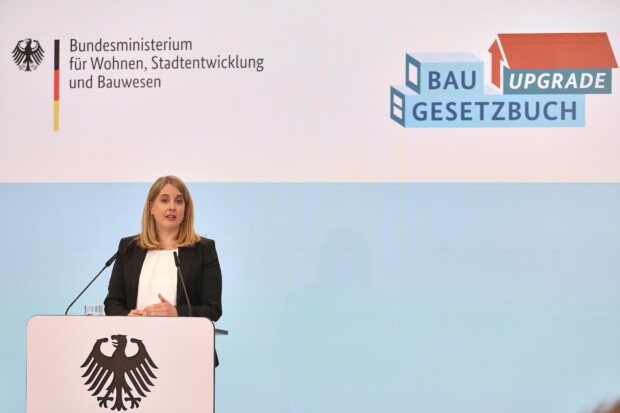
The German federal government is pivoting its approach to the national housing crisis, moving toward legislative changes designed to simplify apartment construction and lower the barriers for property expropriation.
Recent moves by the Bundeskabinett indicate a shift in policy that would allow for easier expropriations, a move aimed at addressing the critical shortage of available living space. This legislative push is paired with broader efforts by the federal government to amend existing laws to streamline the building process for new residential units.
The Debate Over “Junk Real Estate”
Central to the current cultural and political discourse is the rise of Schrottimmobilien, or “junk real estate.” While these failed investments are often viewed as private financial disasters, current commentary suggests a deeper systemic issue. Arguments have emerged that the existence of these properties is “first a political failure – and then a private one,” pointing toward a history of short-sighted housing policies.

Critics of the current system suggest that the only way to rectify these failures is to transform these liabilities into viable housing, essentially turning “junk real estate into gold” through more effective political intervention, and oversight.
Regional Tensions and Construction Control
The struggle to balance rapid development with government oversight is playing out in specific urban centers. In Krefeld, the housing market has reached a point of high tension, prompting local political leaders to insist on maintaining the final word regarding the so-called “housing construction turbo.”
This regional friction highlights the broader challenge facing the government: accelerating the pace of construction to meet demand while ensuring that the resulting housing is sustainable and legally compliant.
Legislative Objectives
The primary goal of the proposed law changes is to remove bureaucratic hurdles that have historically slowed the delivery of new homes. By easing the requirements for construction, the government aims to increase the supply of apartments and stabilize a volatile market that has left many citizens struggling to find affordable accommodation.
