
WHO Chief Urges Safe Burials in Visit to Heart of Ebola Outbreak – The Japan Times Analysis
The global health community is facing a critical juncture in the Democratic Republic of the Congo (DRC) as the World Health Organization (WHO) chief has made an urgent visit to the epicenter of a devastating Ebola outbreak. The primary objective of this high-level mission is to address a lethal gap in the containment strategy: the practice of traditional burials. As cases continue to climb and the virus penetrates deeper into remote regions, the call for “safe and dignified burials” has shifted from a medical recommendation to a matter of survival for thousands of residents in eastern Congo.
This crisis is not merely a medical failure but a complex intersection of public health, cultural tradition and geopolitical instability. While medical teams struggle to deploy vaccines and testing kits, the virus continues to find purchase in the most intimate of human rituals—the mourning and burial of the dead. The current trajectory suggests that without a fundamental shift in how communities handle their deceased, the outbreak may outpace the international response, leading to a catastrophic surge in mortality across the region.
The Critical Link Between Burial Rituals and Viral Transmission
At the center of the WHO chief’s plea is a stark biological reality: the Ebola virus reaches its highest concentration in the body immediately after death. For a disease that spreads through direct contact with infected bodily fluids, the process of preparing a body for burial is one of the most dangerous moments in the entire cycle of transmission.
In many communities across eastern Congo, traditional burial rites involve washing the body, kissing the deceased, and touching the skin as a sign of respect and familial love. While these acts are deeply meaningful, they act as a catalyst for the virus. A single traditional funeral can lead to a cluster of new infections, effectively turning a site of mourning into a super-spreader event.
“The virus does not respect borders, and it does not pause for tradition. When we fail to secure the burial process, we are essentially allowing the virus to invite more victims into its reach.”
The WHO’s strategy for “Safe and Dignified Burials” (SDB) aims to balance the clinical necessity of biohazard containment with the emotional needs of the grieving. This includes:
- Biohazard Containment: Using specialized teams in Personal Protective Equipment (PPE) to handle the body.
- Family Presence: Allowing family members to observe the burial from a safe distance to ensure transparency, and closure.
- Religious Integration: Working with local imams and priests to bless the deceased without physical contact.
The Struggle for Scale: Why the Real Numbers Remain Elusive
One of the most alarming aspects of the current outbreak is the discrepancy between reported cases and the actual scale of the infection. Health officials have admitted that the true magnitude of the virus’s reach is likely far greater than official tallies suggest. This “visibility gap” is driven by several systemic factors.
The Testing Bottleneck
While the DRC government has moved to expand Ebola testing, the logistics of the eastern region make rapid diagnosis nearly impossible. Samples must often be transported over treacherous terrain, through conflict zones, to centralized laboratories. By the time a result is returned, the patient may have already passed away or infected their entire household.
Fear and Avoidance
There is a pervasive distrust of government-run treatment centers. Many families, fearing that their loved ones will be taken away and never seen again—or that they will be “experimented on”—choose to hide the sick. This leads to “silent” deaths in village homes, followed by traditional burials that further propagate the virus.
To better understand the disparity in data, consider the following breakdown of case classification:
| Case Category | Definition | Impact on Data |
|---|---|---|
| Confirmed | Positive PCR laboratory test. | Under-represents total scale due to testing gaps. |
| Probable | Clinical symptoms + epidemiological link. | Higher number, but often lacks lab verification. |
| Suspected | Fever and hemorrhage without a known link. | Often ignored in official counts until confirmed. |
Inside the Epicenter: A Virus Raging in a Conflict Zone
The outbreak is not occurring in a vacuum. The heart of the epidemic coincides with one of the most volatile regions on earth. Eastern Congo has been plagued by decades of militia violence, displaced populations, and a collapsed infrastructure. This environment creates a “perfect storm” for a viral hemorrhagic fever.
When a region is in a state of permanent conflict, the basic pillars of epidemic control—contact tracing and quarantine—become nearly impossible to implement. Health workers are often viewed with suspicion, sometimes mistaken for government spies or agents of opposing factions. In some instances, response teams have been attacked, and treatment centers have been razed, forcing the WHO and other agencies to pause operations in high-risk zones.
The result is a fragmented response. In some villages, the virus is contained through rigorous vaccination; in others, just a few miles away, it rages unchecked because the “last mile” of healthcare delivery is blocked by armed conflict.
Key Challenges in the Epicenter:
- Population Displacement: Thousands of people fleeing violence move across borders, potentially carrying the virus into new, unsuspecting communities.
- Infrastructure Decay: Lack of roads and electricity makes the cold-chain storage of vaccines (which must be kept at ultra-low temperatures) a logistical nightmare.
- The Trust Deficit: A history of colonial and post-colonial exploitation has left many locals skeptical of international medical interventions.
The 2026 Outbreak: Tracking Trends and Contagion
As we track the 2026 Ebola outbreak through maps and figures, several patterns emerge that distinguish this event from previous epidemics. The current strain shows a terrifying ability to persist in “reservoirs,” where the virus stays dormant in survivors and can trigger new outbreaks months later.
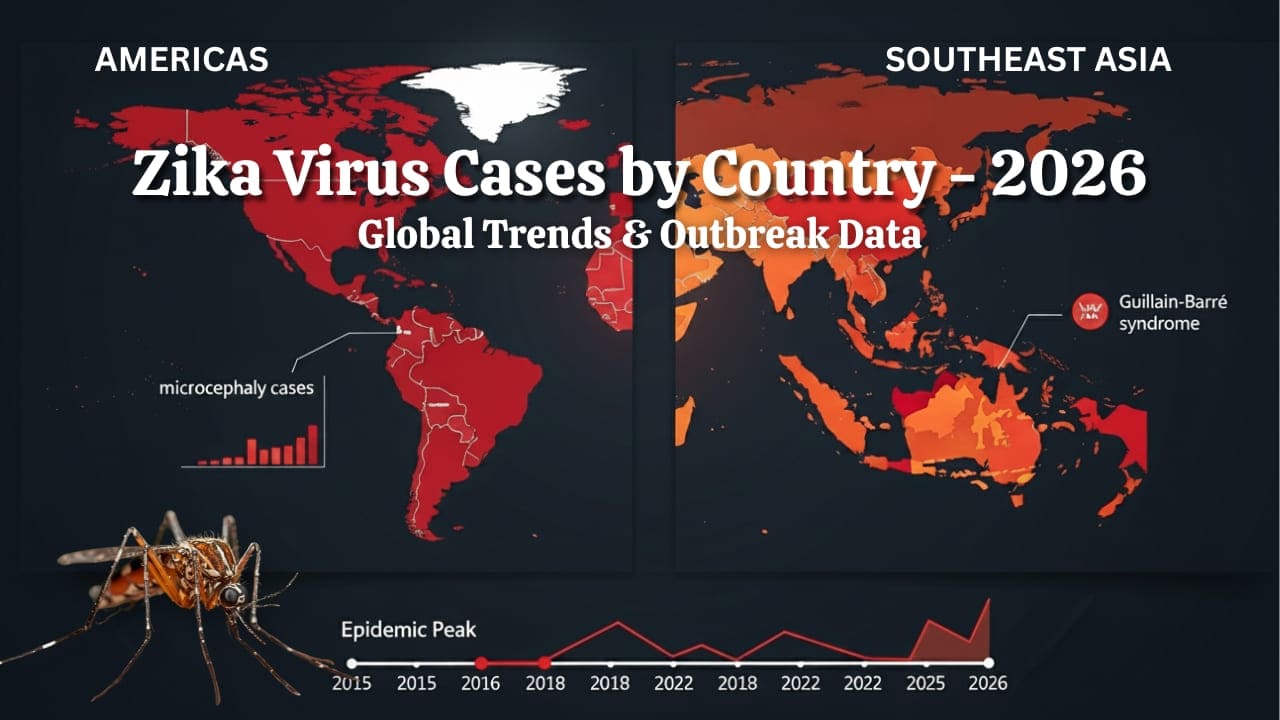
The contagion rate is heavily influenced by urban density. While the virus began in rural forests, its movement into larger trading hubs has accelerated its spread. The “R-nought” (the average number of people one infected person infects) fluctuates wildly depending on the local adherence to safe burial practices. In areas where SDB is ignored, the contagion rate spikes; where it is embraced, the curve flattens.
For those following the technical progression of the virus, it is important to monitor the related explainer on zoonotic spillover to understand how the virus jumps from animals to humans in these specific ecological zones.
Comparing the Current Crisis to Previous Outbreaks
To understand why the current situation is so precarious, it is helpful to compare it to the massive West African outbreak of 2014–2016. While the tools available today are superior—specifically the existence of an effective vaccine—the socio-political environment in the DRC presents unique hurdles.
In West Africa, the challenge was primarily one of scale and early detection. In the DRC, the challenge is access. We have the vaccine, but we cannot always get it into the arms of the people because of active warfare. This creates a paradoxical situation where the medical solution exists, but the delivery system is broken.
the psychological toll of repeated outbreaks in the Congo has led to “crisis fatigue.” Local populations are exhausted, and the urgency that characterized the early days of the response is being replaced by a dangerous sense of resignation.
Correcting Common Misconceptions About Ebola
In the heat of an epidemic, misinformation can be as deadly as the virus itself. Several myths have permeated the regions surrounding the epicenter, complicating the WHO’s efforts.
Myth 1: Ebola is airborne
Reality: Ebola is not like COVID-19 or the flu. It is not transmitted through the air. It requires direct contact with infected blood, secretions, or other bodily fluids. Understanding this is crucial because it prevents unnecessary panic and focuses the response on hygiene and PPE.
Myth 2: Vaccines cause the disease
Reality: The vaccines used in the DRC are designed to trigger an immune response without introducing the live, disease-causing virus. However, this myth persists, leading some to avoid vaccination and rely on unproven traditional remedies.
Myth 3: Only the sick are contagious
Reality: As noted by the WHO chief, the deceased are often the most contagious. This is why the focus on safe burials is so paramount; the danger does not end when the patient stops breathing.
The Path Forward: Community-Led Containment
The shift in strategy now emphasizes “community-led” responses. The WHO has realized that top-down mandates from Geneva or Kinshasa are insufficient. To stop the virus, the response must be owned by the people of eastern Congo.
This involves recruiting local leaders, traditional healers, and youth influencers to champion safe burials and vaccination. When a village chief explains why a burial must be handled by a medical team, the community is far more likely to comply than when a foreign doctor in a white suit makes the same demand.
The goal is to move from a model of intervention to a model of partnership. This includes investing in local healthcare infrastructure so that when the current outbreak ends, the region is not left empty-handed, but is instead better equipped to handle the next inevitable spillover.
Frequently Asked Questions
Why is the WHO chief focusing specifically on burials?
Burials are a primary driver of “super-spreader” events. Because the viral load is highest in a deceased body, traditional practices involving touching and washing the dead lead to rapid transmission among family members and mourners.

Is the Ebola vaccine effective against the current strain?
Yes, the vaccines deployed in the DRC have shown high efficacy. The primary challenge is not the vaccine’s effectiveness, but the ability to deliver it safely to high-risk populations in conflict-ridden areas.
Why are the official case numbers often lower than the estimated real scale?
Many cases go unreported due to a lack of testing facilities in remote areas, fear of government authorities, and the practice of hiding sick relatives to avoid the stigma or the perceived dangers of treatment centers.
How does conflict in eastern Congo affect the medical response?
Conflict creates displaced populations that move the virus, destroys the roads needed for medical logistics, and fosters a climate of distrust and violence toward health workers, often forcing the suspension of critical containment activities.
What are “Safe and Dignified Burials” (SDB)?
SDB are burial protocols that ensure the body is handled by trained professionals using PPE to prevent infection, while still allowing the family to participate in the ritual from a safe distance and incorporating religious rites.
The current situation in the Democratic Republic of the Congo remains a stark reminder of the fragility of global health security. The visit of the WHO chief underscores a vital truth: medical science can provide the tools, but only trust, community engagement, and political stability can provide the cure. As the world watches the epicenter, the success of the response will be measured not just by the number of vaccines administered, but by the number of families who choose a safe burial over a traditional one, breaking the chain of transmission for the sake of the living.
