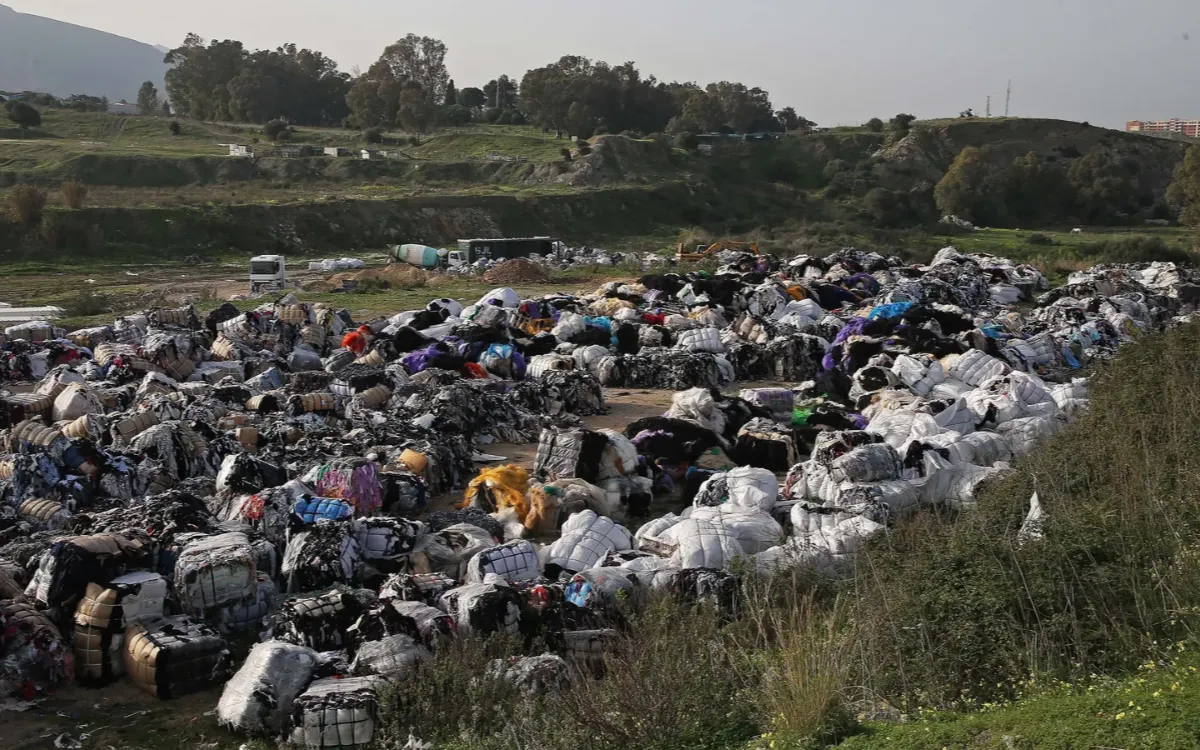
Thousands of tons of Moroccan textile waste have reportedly entered Spain through illegal channels, igniting a cross-border environmental crisis that has drawn attention from regional authorities and sustainability advocates. The issue, first reported by local media, highlights growing concerns over waste management practices and the global fashion industry’s environmental footprint.
The influx of discarded fabrics and garments, primarily from Morocco, has been traced to informal trade routes along the Spanish-Moroccan border. Authorities in southern Spain have confirmed the presence of large-scale dumping sites, with some areas reportedly overwhelmed by the volume of material. Environmental groups have criticized the lack of oversight, warning that the waste poses risks to both ecosystems and public health.
Context and Cultural Implications
The controversy underscores broader tensions around sustainability in the fashion sector, a topic that has increasingly captured public and media attention. The textile industry is one of the largest polluters globally, with fast fashion practices contributing to massive waste streams. The situation in Spain has reignited debates about corporate responsibility, consumer habits, and the need for stricter international regulations on waste trafficking.
Activists have pointed to the role of secondhand clothing markets in facilitating the movement of discarded textiles. While some countries rely on these imports to meet demand for affordable apparel, the unregulated flow of waste has raised questions about how to balance economic interests with environmental protection.
Reactions and Next Steps
Spanish environmental agencies have launched investigations into the sources of the waste, while Moroccan officials have called for greater transparency in cross-border trade. Local communities near the affected regions have expressed frustration over the lack of long-term solutions, with some residents reporting health issues linked to the dumping sites.
The situation is expected to remain under scrutiny as both nations seek to address the crisis. Advocacy groups are urging policymakers to prioritize sustainable alternatives, including recycling initiatives and stricter enforcement of waste export laws.
As the debate continues, the incident serves as a stark reminder of the interconnected challenges facing global waste management and the urgent need for coordinated action to mitigate environmental harm.
