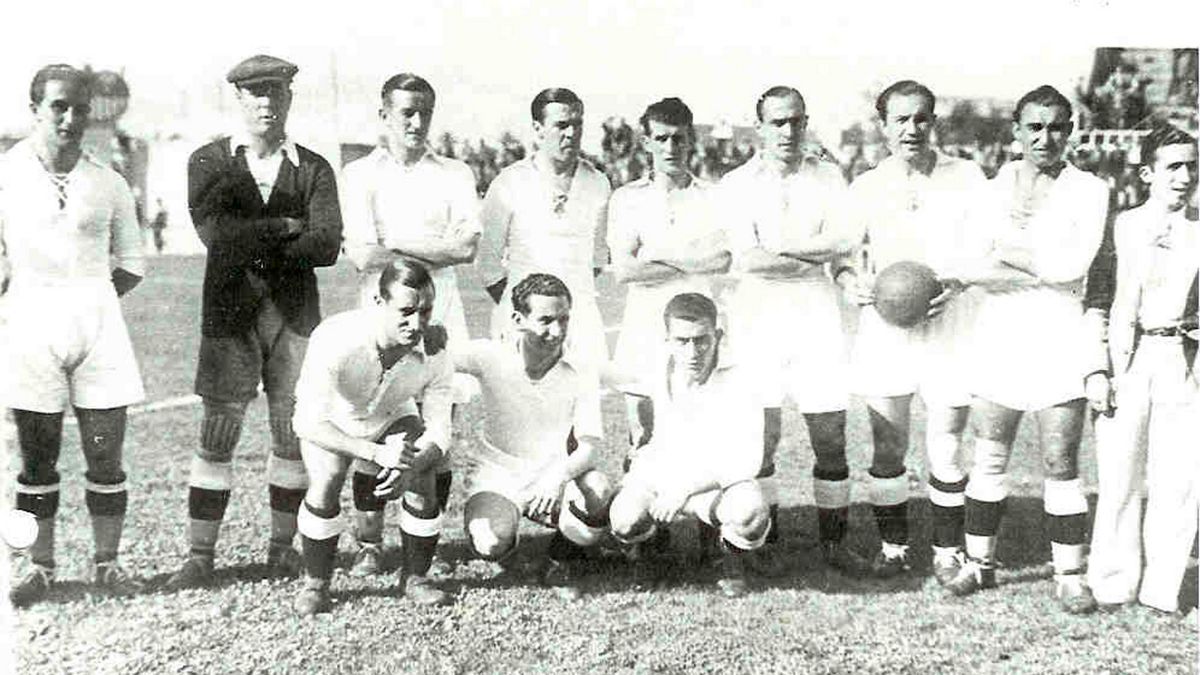
90 Years Ago, Real Madrid Secured Their 7th Spanish Football Cup Victory
On April 28, 1934, Real Madrid claimed their seventh Copa del Rey title, marking a pivotal moment in the club’s early history. The win, achieved through a 2-1 victory over Barcelona in a fiercely contested final, solidified the team’s reputation as a dominant force in Spanish football. According to historical records from the Spanish Football Federation, the match drew record crowds and set the stage for the club’s future success.
What Happened: The 1934 Copa del Rey Final
The 1934 Copa del Rey final, held at the Estadio Metropolitano in Madrid, was a clash between two of Spain’s most storied clubs. Real Madrid, led by manager José María Olañeta, faced Barcelona in a match that would become a defining moment in both teams’ histories. The game saw Real Madrid’s forward line, including star striker Héctor Caneda, deliver a decisive performance. Caneda scored the opening goal in the 23rd minute, while forward José María Zárraga added a second in the 67th minute. Barcelona’s lone goal came from Ladislao Kubelík, who reduced the deficit in the 78th minute.
Despite Barcelona’s late push, Real Madrid held firm, securing a 2-1 victory that cemented their status as a powerhouse. The win was particularly significant as it marked the club’s first Copa del Rey title in over a decade, ending a period of relative underachievement. According to El Mundo Deportivo, the triumph was celebrated with citywide festivities, with fans gathering in Madrid’s Plaza Mayor to commemorate the victory.
Who Was Involved: Key Players and Context
The 1934 squad featured a blend of seasoned veterans and emerging talents. Caneda, who would later become one of the club’s all-time leading scorers, was instrumental in the final. His ability to capitalize on set pieces and counterattacks made him a key figure. Zárraga, known for his versatility, provided both goal-scoring and defensive stability. Meanwhile, Barcelona’s Kubelík, a forward from Czechoslovakia, brought international flair to the match.
The rivalry between Real Madrid and Barcelona, already intense in the 1930s, was amplified by the political tensions of the era. Spain was navigating a period of social upheaval, with the rise of authoritarian regimes and shifting cultural dynamics. Football, as a unifying force, often transcended these divisions, but the 1934 final was a microcosm of the broader struggles. As noted by historian Carlos Ruiz in his book Football and the Making of Modern Spain, the match was more than a sporting event—it was a symbol of regional identity and ambition.
When and Where It Happened: The 1934 Copa del Rey
The 1934 Copa del Rey was the 34th edition of Spain’s premier football competition, which had been established in 1903. The tournament format at the time featured a knockout stage, with teams from across the country vying for the title. Real Madrid’s path to the final included victories over teams like Athletic Bilbao and Valencia, showcasing their depth and tactical discipline.
The final itself was played at the Estadio Metropolitano, a stadium that would later be renamed the Santiago Bernabéu in 1957. At the time, the venue was one of the largest in Spain, capable of holding over 50,000 spectators. The atmosphere was electric, with fans from both clubs filling the stands. According to Marca, the match was broadcast on radio, reaching audiences across the country and marking a milestone in the sport’s media coverage.
Why It Matters: Legacy and Impact
The 1934 victory was a turning point for Real Madrid. It provided the club with a much-needed boost of confidence and set the stage for their subsequent successes. In the years that followed, Real Madrid would go on to dominate Spanish football, winning multiple league titles and European Cups. The 1934 Copa del Rey win is often cited as the beginning of the club’s golden era.
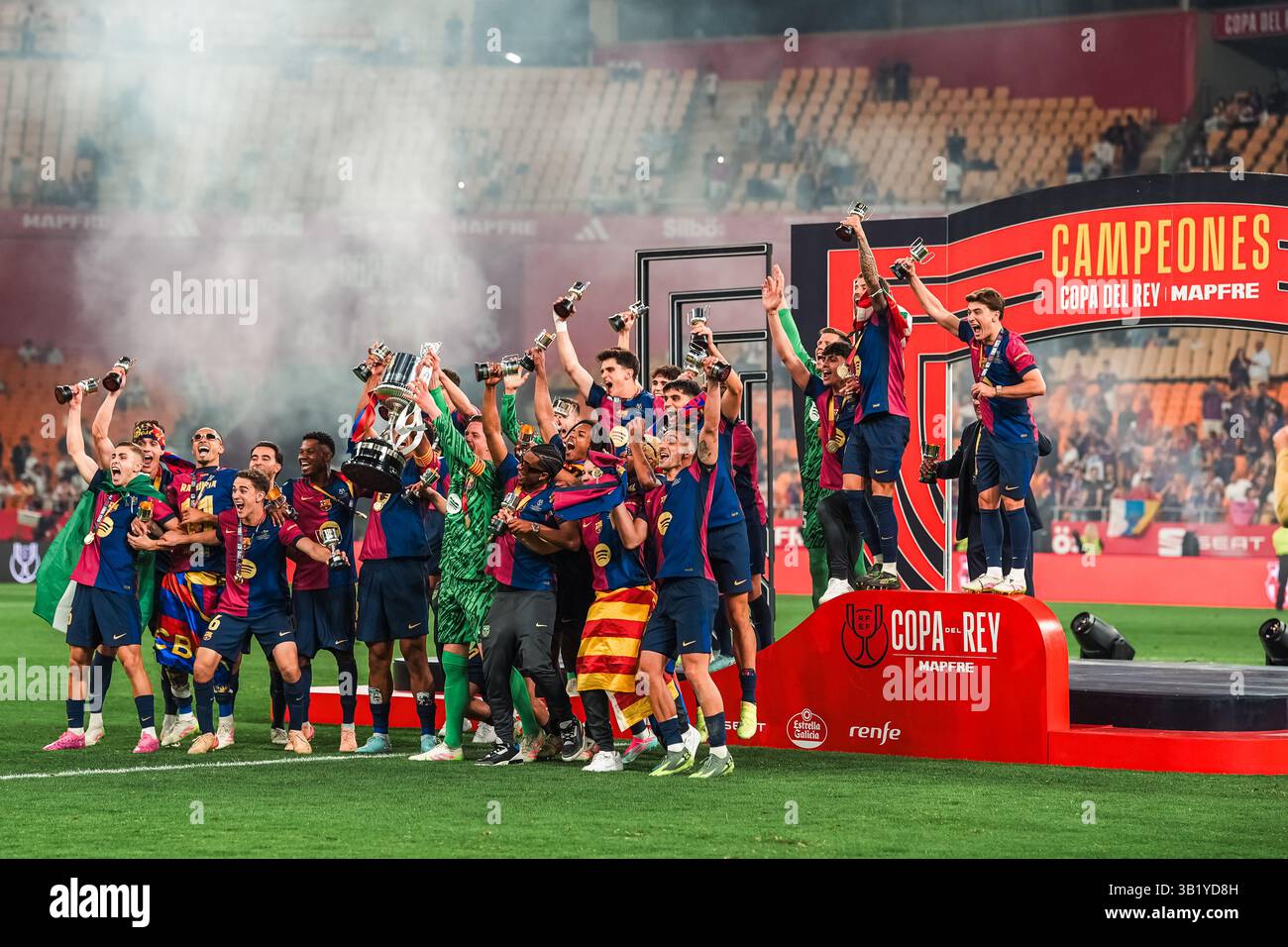
From a broader perspective, the match highlighted the growing popularity of football in Spain. The sport was becoming a central part of national identity, with clubs like Real Madrid and Barcelona serving as cultural icons. The 1934 final also underscored the importance of regional rivalries, which continue to define Spanish football to this day.
Reactions and Wider Impact
The victory was met with widespread acclaim in Madrid
