
Meralco Assists Quake-Hit Mindanao Areas Following 7.8 Magnitude Earthquake
Meralco is providing assistance to regions in Mindanao devastated by a 7.8 magnitude earthquake that killed at least 35 people and triggered tsunami warnings, according to reports from the Philippine News Agency and AP News. The disaster caused widespread structural collapses and led to the declaration of a state of calamity in parts of Davao Occidental as emergency responders struggle to reach isolated communities.
What was the impact of the 7.8 magnitude earthquake in Mindanao?
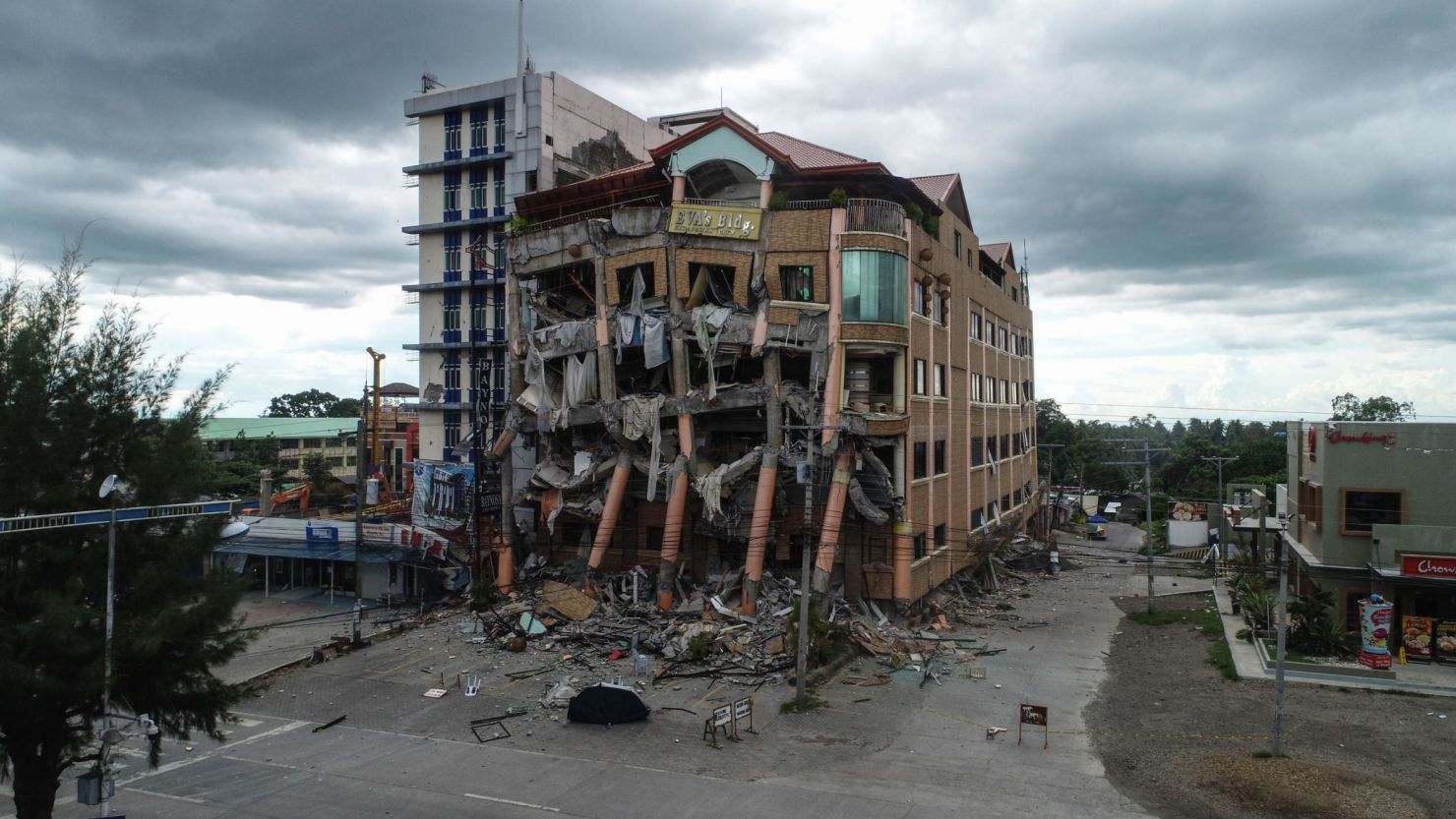
The seismic event, measuring 7.8 magnitude, resulted in at least 35 confirmed deaths, according to AP News. The quake’s intensity caused buildings to collapse across the region, trapping residents and destroying critical infrastructure. Beyond the immediate structural failure, the earthquake sparked tsunami warnings, forcing coastal evacuations and adding to the chaos of the initial disaster response.
The scale of the destruction has been particularly severe in Mindanao, where the magnitude of the tremor caused significant ground displacement. According to reports, the combination of collapsed residential structures and the threat of sea-level surges created a dual-crisis for local authorities. Emergency teams focused on search-and-rescue operations in the immediate aftermath, though the collapse of roads and bridges hampered access to the hardest-hit zones.
| Impact Category | Reported Detail | Source |
|---|---|---|
| Casualties | At least 35 deaths | AP News |
| Seismic Magnitude | 7.8 Magnitude | AP News / PNA |
| Immediate Hazards | Building collapses and tsunamis | AP News |
| Legal Status | State of Calamity (DavOcc town) | Philippine News Agency |
How is Meralco assisting the quake-hit areas?
Meralco has mobilized resources to provide aid to the affected areas in Mindanao, according to the Philippine News Agency. While the company primarily operates as a power distributor, its disaster response efforts often involve the deployment of technical teams to restore essential power services and the provision of relief goods to displaced families.
The restoration of electricity is a critical component of the recovery phase. Power is required for hospitals to operate life-saving equipment, for water pumping stations to provide potable water, and for communication networks to remain active. Meralco’s involvement suggests a coordinated effort to stabilize the grid in areas where the 7.8 magnitude quake severed primary transmission lines.
Key aspects of corporate disaster assistance in these scenarios typically include:
- Technical Deployment: Sending linemen and engineers to assess damaged poles and transformers.
- Material Support: Providing electrical equipment needed for rapid infrastructure repair.
- Humanitarian Aid: Coordinating with local government units (LGUs) to distribute food and medical supplies.
Why was a state of calamity declared in Davao Occidental?
A town in Davao Occidental has been placed under a state of calamity following the 7.8 magnitude earthquake, according to the Philippine News Agency. This legal declaration is a standard administrative move in the Philippines used to unlock emergency funds and implement price controls on basic commodities.
When a local government unit declares a state of calamity, it allows the mayor or governor to access the Quick Response Fund (QRF). These funds are used for immediate relief operations, such as purchasing food packs, providing temporary shelter for those whose homes collapsed, and funding emergency medical missions. Additionally, the declaration prevents “price gouging,” where traders might illegally raise the cost of rice, canned goods, and water during a crisis.
In Davao Occidental, the declaration reflects the severity of the structural damage. With buildings collapsed and residents displaced, the local government determined that the town’s internal resources were insufficient to handle the scale of the recovery without the legal mechanisms provided by a state of calamity status.
What is the Philippine Building Act and why is it being prioritized?
In the wake of the disaster, a Mindanao lawmaker has appealed to the Senate to pass the Philippine Building Act, according to Inquirer.net. The appeal highlights a critical gap in how structures are designed and enforced in seismic-prone regions of the country.

The lawmaker’s push for this legislation suggests that the high number of collapsed buildings during the 7.8 magnitude quake was not solely due to the strength of the earthquake, but rather to failures in construction standards. The proposed Philippine Building Act aims to modernize and strictly enforce building codes to ensure that residential and commercial structures can withstand high-magnitude tremors.
The urgency of this legislation is tied to several systemic issues:
- Substandard Materials: The use of low-grade cement or insufficient steel reinforcement in rural constructions.
- Lack of Enforcement: Local building officials failing to conduct rigorous inspections before granting occupancy permits.
- Outdated Codes: The need for updated engineering standards that reflect the latest seismic data from the Philippine Institute of Volcanology and Seismology (PHIVOLCS).
By passing a comprehensive Building Act, proponents argue that the Philippines can transition from a reactive disaster response model—where the focus is on relief—to a proactive resilience model, where the focus is on preventing collapse in the first place.
Who is providing international and celebrity support for the victims?
The disaster has garnered attention from global figures, with several celebrities using their platforms to offer support and raise awareness for the victims in Mindanao, according to ABS-CBN. Notable figures including Thalia, Sandara Park, and Tay Tawan have shared messages of support.
While these messages are symbolic, they often serve as catalysts for international donations and visibility. Celebrity involvement frequently directs the attention of global NGOs and private donors toward specific regions that might be overlooked by mainstream international news cycles. For the victims in Mindanao, this visibility can translate into increased funding for reconstruction and medical aid.
The reaction from these public figures reflects the widespread emotional impact of the 7.8 magnitude quake, particularly as images of collapsed buildings and tsunami warnings circulated on social media. This “digital solidarity” often precedes formal international aid packages from foreign governments or humanitarian organizations.
Analyzing the systemic vulnerabilities of Mindanao’s infrastructure
The intersection of the 7.8 magnitude quake, the collapse of buildings, and the subsequent call for the Philippine Building Act reveals a pattern of vulnerability in the region. When comparing the reported death toll of 35 to the potential scale of a 7.8 magnitude event, the casualty count suggests that while some structures held, many did not. This discrepancy is often the primary driver for legislative changes in building safety.
The declaration of a state of calamity in Davao Occidental further underscores the economic fragility of the region. Because the local economy relies heavily on agriculture and small-scale trade, the destruction of physical infrastructure—roads, bridges, and markets—creates a long-term economic shock that extends far beyond the initial tremors.
Furthermore, the role of private entities like Meralco indicates a reliance on corporate social responsibility (CSR) to fill gaps in government response. While the state provides the legal framework via the state of calamity, the actual technical execution of power restoration often depends on the capacity of the utility provider to mobilize teams quickly.
To better understand the trajectory of recovery, it is useful to look at the specific pressures facing the region:
- Logistical Isolation: The difficulty of moving aid into Davao Occidental due to road collapses.
- Psychological Trauma: The impact of tsunami warnings, which create a lingering fear of the ocean among coastal populations.
- Legislative Lag: The time it takes for a bill like the Philippine Building Act to move from a lawmaker’s appeal to an enforceable law.
The recovery process will likely move through three distinct phases: the immediate rescue phase (marked by the 35 deaths and search efforts), the stabilization phase (marked by Meralco’s assistance and the state of calamity), and the long-term resilience phase (marked by the potential passage of new building laws).
Frequently Asked Questions
What was the magnitude of the Mindanao earthquake?
The earthquake measured 7.8 magnitude, according to AP News and the Philippine News Agency.
How many people died in the earthquake?
AP News reports that at least 35 people were killed as a result of the quake and subsequent building collapses.
What is Meralco doing to help?
According to the Philippine News Agency, Meralco is assisting the quake-hit areas of Mindanao, typically through the restoration of power and the provision of relief aid.
Why is a new Building Act being proposed?
As reported by Inquirer.net, a Mindanao lawmaker is urging the Senate to pass the Philippine Building Act to prevent future building collapses by enforcing stricter construction and safety standards.
Which area declared a state of calamity?
A town in Davao Occidental declared a state of calamity to access emergency funds and control prices of basic goods, according to the Philippine News Agency.
Were there tsunami warnings?
Yes, AP News reported that the 7.8 magnitude earthquake sparked tsunami warnings, leading to evacuations in affected coastal areas.
