
The 5 Best Cereals to Reduce Stroke Risk, According to Cardiologists and Dietitians
Cardiologists and dietitians identify whole-grain, high-fiber cereals—specifically steel-cut oats, bran, and shredded wheat—as effective dietary tools for reducing stroke risk. These cereals lower LDL cholesterol and stabilize blood pressure by utilizing soluble fiber and complex carbohydrates, provided they contain minimal added sugars, according to cardiovascular health guidelines.
How Cereal Choice Impacts Stroke Risk
A stroke occurs when the blood supply to part of the brain is interrupted or reduced, preventing brain tissue from getting oxygen and nutrients. According to medical experts, the primary drivers of this risk are hypertension, high cholesterol, and diabetes. Dietitians state that the breakfast cereal category is often a source of hidden sugars and sodium, which can exacerbate these conditions. However, when selected based on specific nutritional markers, cereals can actively mitigate these risks.
The primary mechanism for stroke reduction in cereal is the presence of soluble fiber. This type of fiber, found in abundance in oats and barley, binds to cholesterol particles in the digestive system and removes them from the body before they can enter the bloodstream. This process lowers low-density lipoprotein (LDL) cholesterol, which reduces the buildup of plaque in the carotid arteries—the vessels that supply blood to the brain.
Furthermore, whole grains provide a slow release of glucose into the bloodstream. Cardiologists note that this prevents the insulin spikes associated with refined grains, which over time can damage blood vessel walls and increase the likelihood of an ischemic stroke.
- LDL Cholesterol Reduction: Soluble fiber lowers the “bad” cholesterol that clogs arteries.
- Blood Pressure Regulation: High potassium and magnesium levels in whole grains help relax blood vessel walls.
- Glycemic Control: Complex carbohydrates prevent the arterial inflammation caused by sugar spikes.
The 5 Best Cereals to Reduce Stroke Risk, According to Cardiologists and Dietitians
Selecting a cereal for cardiovascular health requires prioritizing the “whole” grain over “fortified” or “refined” versions. Experts recommend the following five options for those looking to lower their stroke risk profile.
1. Steel-Cut Oats
Steel-cut oats are widely regarded by dietitians as the gold standard for heart-healthy breakfasts. Unlike instant oats, which are pre-steamed and rolled thin, steel-cut oats are the whole oat groat chopped into pieces. This preserves the grain’s structural integrity and lowers the glycemic index.
The standout component is beta-glucan, a type of soluble fiber. According to clinical nutrition standards, beta-glucan creates a gel-like substance in the gut that traps cholesterol. Because they take longer to digest, steel-cut oats keep blood sugar levels stable, reducing the chronic inflammation that can lead to arterial stiffness and subsequent stroke.
2. Wheat Bran Flakes
Bran is the hard outer layer of the grain kernel. Cereals that prioritize wheat bran are high in insoluble fiber, which is critical for metabolic health. Dietitians highlight that high bran intake is linked to improved insulin sensitivity.
By managing insulin levels, bran cereals help prevent Type 2 diabetes, a major risk factor for stroke. Experts advise choosing brands that contain less than 5 grams of sugar per serving to ensure the benefits of the fiber are not negated by the inflammatory effects of sucrose.
3. Shredded Wheat (Unsweetened)
Shredded wheat is often recommended by cardiologists because of its simplicity. Many varieties contain only one ingredient: whole grain wheat. This eliminates the risk of added sodium and synthetic preservatives that can raise blood pressure.
The high fiber content in shredded wheat promotes satiety, which helps in weight management. Obesity is a significant contributor to obstructive sleep apnea and hypertension, both of which are heavily linked to an increased risk of stroke.
4. Quinoa-Based Cereals
While less traditional, quinoa-based cereals are gaining traction among nutritionists due to their complete protein profile and mineral content. Quinoa contains significant amounts of magnesium and potassium.
Magnesium plays a vital role in regulating heart rhythm and blood pressure. According to cardiovascular research, a deficiency in magnesium can lead to hypertension, which is the leading cause of hemorrhagic stroke. Quinoa provides these minerals while maintaining a low glycemic load.
5. Barley Cereals
Barley is often overlooked but contains levels of beta-glucan comparable to, or sometimes exceeding, those found in oats. Barley-based cereals help lower total cholesterol and improve the lipid profile of the patient.
Dietitians suggest that barley’s ability to modulate the gut microbiome may also play a role in reducing systemic inflammation, further protecting the cerebrovascular system from plaque rupture.
Comparing Heart-Healthy Cereals vs. Processed Alternatives
The difference between a stroke-reducing cereal and a high-risk cereal lies in the processing method and the additive list. Refined cereals, such as sugary corn flakes or puffed rice, strip away the bran and germ, leaving only the endosperm (starch). This results in a food that spikes blood sugar and provides negligible fiber.
| Nutritional Feature | Whole Grain/Steel-Cut | Refined/Sugary Cereal | Stroke Risk Impact |
|---|---|---|---|
| Fiber Content | High (5g – 10g+) | Low (0g – 2g) | High fiber lowers LDL cholesterol. |
| Glycemic Index | Low to Medium | High | High GI increases insulin resistance. |
| Added Sugars | Minimal to None | High (10g – 20g+) | Sugar drives arterial inflammation. |
| Sodium Levels | Low | Often High | Excess sodium raises blood pressure. |
How to Read Cereal Labels for Stroke Prevention
Cardiologists warn that marketing terms like “Heart Healthy” or “Whole Grain” on the front of the box can be misleading. To truly identify a cereal that reduces stroke risk, consumers must analyze the Nutrition Facts panel and the ingredients list.
The “First Ingredient” Rule
The ingredients are listed by weight. Dietitians state that the first ingredient must be a whole grain (e.g., “whole grain oats,” “whole wheat,” or “brown rice”). If the first ingredient is “wheat flour” or “corn meal,” the grain has been refined, and much of the stroke-preventing fiber has been removed.
The Sugar Threshold
Sugar is a primary driver of metabolic syndrome. Experts recommend looking for cereals with less than 5 to 8 grams of added sugar per serving. High sugar intake leads to weight gain and increases the risk of diabetes, which can damage the blood vessels in the brain.
The Sodium Warning
Sodium causes the body to retain fluid, increasing the volume of blood in the vessels and raising blood pressure. For those at risk of stroke, cardiologists suggest limiting cereal sodium to under 140mg per serving. Many “healthy” cereals use salt to enhance the flavor of whole grains, making this a critical check.
“The goal is to find a cereal that acts as a delivery system for fiber and minerals, not a delivery system for sugar and salt,” according to dietary guidelines for cardiovascular health.
Optimizing Cereal for Maximum Cardiovascular Benefit
The cereal itself is only one part of the equation. How a person prepares their bowl can either enhance or neutralize the stroke-reducing properties of the grain.
Strategic Toppings
Adding specific nutrients can further lower stroke risk. Dietitians suggest the following additions:
- Berries: Blueberries and strawberries contain anthocyanins, antioxidants that improve endothelial function (the lining of the blood vessels).
- Walnuts and Flaxseeds: These provide alpha-linolenic acid (ALA), an omega-3 fatty acid that reduces inflammation in the arteries.
- Chia Seeds: These add an extra layer of soluble fiber and omega-3s, further aiding cholesterol management.
The Milk Choice
The liquid used in the bowl also impacts the nutritional profile. Experts suggest avoiding sweetened creams or full-fat dairy if cholesterol management is a primary goal. Unsweetened almond milk, soy milk, or skim milk are preferred alternatives that do not add saturated fats to the meal.
For those looking for more information on overall heart health, a related explainer on the Mediterranean diet can provide a broader context for these food choices.
Common Misconceptions About Breakfast Cereals
Many consumers fall into traps based on outdated nutritional advice or aggressive marketing. Addressing these misconceptions is vital for effective stroke prevention.
“Fortified” Means Healthy
Many refined cereals are “fortified” with vitamins and minerals to replace what was lost during processing. While this prevents deficiencies, it does not provide the same benefit as naturally occurring nutrients. For example, synthetic folic acid is not the same as the complex matrix of nutrients found in a whole grain kernel, which includes naturally occurring phytonutrients that protect the brain.
“Low Fat” Is Always Better
In an effort to reduce fat, many manufacturers increase the sugar content to maintain taste. A “low fat” cereal that is high in sugar can be more dangerous for stroke risk than a cereal with a small amount of healthy fats (like nuts), because sugar directly contributes to insulin resistance and arterial damage.
All Oats Are Equal
There is a significant difference between steel-cut, rolled, and instant oats. Instant oats are processed to cook quickly, which increases their glycemic index. While still healthier than sugary corn flakes, they do not offer the same blood-sugar stability as steel-cut oats.
The Broader Context of Stroke Prevention
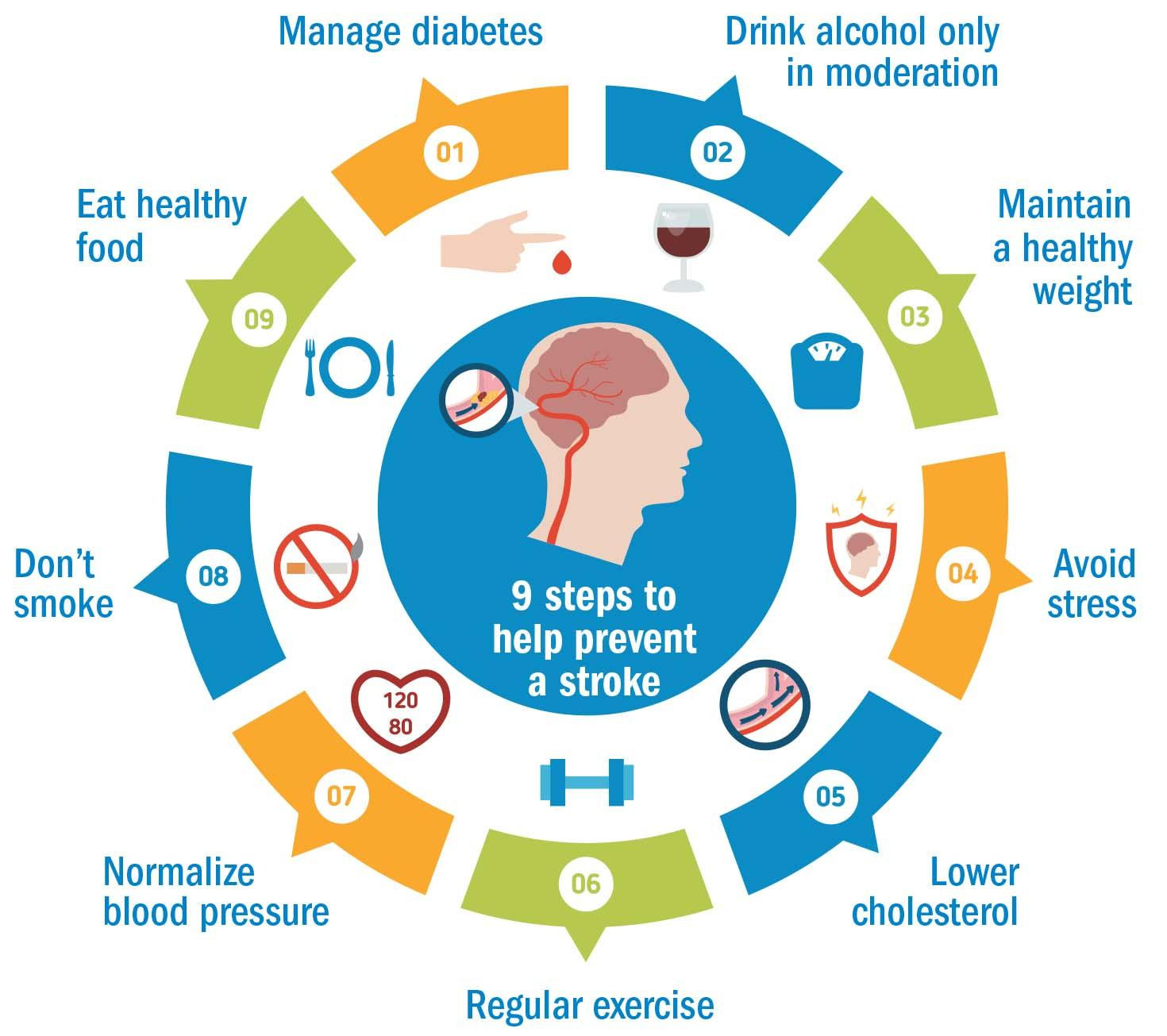
While the 5 best cereals to reduce stroke risk provide a strong foundation, cardiologists emphasize that diet is part of a larger preventative strategy. Cereal choice works in tandem with other lifestyle factors to protect the brain.
The American Heart Association emphasizes the “Life’s Essential 8” approach, which includes managing blood pressure, controlling cholesterol, and maintaining a healthy weight. Incorporating high-fiber cereals is a tactical way to address two of these pillars: cholesterol and blood pressure. However, these dietary changes must be paired with regular physical activity to ensure the arteries remain flexible and clear.
Furthermore, the timing of these nutrients matters. Consuming high-fiber grains in the morning helps regulate appetite and glucose levels for the remainder of the day, reducing the likelihood of mid-day sugar cravings that lead to poor food choices and systemic inflammation.
Frequently Asked Questions
Can eating these cereals completely prevent a stroke?
No. While diet is a powerful tool, stroke risk is influenced by genetics, age, and other medical conditions. These cereals reduce the risk by managing controllable factors like cholesterol and blood pressure, but they are not a guarantee of prevention.

Is gluten-free cereal as effective for stroke reduction?
Yes, provided the gluten-free cereal is based on whole grains like quinoa, buckwheat, or certified gluten-free oats. Many gluten-free cereals are made from rice flour or corn starch, which are refined and lack the fiber necessary for stroke prevention.
How much cereal should I eat daily for these benefits?
Dietitians generally recommend one serving (usually 1/2 to 1 cup) as part of a balanced breakfast. Overconsuming even healthy cereals can lead to excessive caloric intake, which may offset the cardiovascular benefits through weight gain.
Are granola and muesli included in the “best” cereals?
Muesli is often a great choice because it consists of raw rolled oats and nuts. Granola, however, is often baked with honey, maple syrup, or oils, which can significantly increase the sugar and calorie count, potentially increasing stroke risk if consumed in large quantities.
Can I use honey or maple syrup to sweeten my steel-cut oats?
Cardiologists suggest limiting added sweeteners. Using fresh fruit, such as mashed bananas or berries, provides sweetness along with additional antioxidants and fiber, which is more beneficial for arterial health than refined syrups.
