
How Much Do a Retired Couple with a Large Veggie Garden Spend at the Supermarket? A Deep Dive into Frugal Living
In an era where rising grocery costs and inflation have placed financial pressure on households across the globe, the story of a retired couple cultivating a large vegetable garden and significantly reducing their supermarket expenses has sparked curiosity. This narrative not only highlights the practical benefits of sustainable living but also offers insights into how retirees can leverage self-sufficiency to manage their budgets. While the exact figures may vary, the broader implications of such a lifestyle are worth exploring.
Understanding the Lifestyle: Retirees and the Rise of Home Gardening
Retirement often brings a shift in priorities, with many individuals seeking ways to reduce expenses while maintaining a high quality of life. One popular approach is home gardening, which allows retirees to grow their own produce and minimize reliance on store-bought vegetables. According to a 2023 report by the National Gardening Association, over 40% of retirees in the United States engage in some form of gardening, with many dedicating significant time and resources to cultivating their own food.
The benefits of this practice extend beyond cost savings. For instance, homegrown vegetables often have higher nutritional value due to fresher harvests, and the activity itself can provide physical exercise and mental stimulation. However, the primary question remains: how does this affect their supermarket spending?
Factors Influencing Supermarket Expenses for Retired Gardeners
The amount a retired couple with a large veggie garden spends at the supermarket depends on several factors, including the size of their garden, the types of crops they grow, and their overall dietary preferences. For example, a couple growing staple vegetables like tomatoes, cucumbers, and leafy greens may reduce their purchases of these items significantly. However, they may still need to buy specialty items or produce that is difficult to grow at home, such as tropical fruits or certain herbs.
Seasonality also plays a crucial role. During peak growing seasons, a well-maintained garden can provide a surplus of vegetables, potentially eliminating the need for store-bought items. In contrast, during off-peak months, retirees may need to rely more heavily on supermarkets, especially if they lack access to community-supported agriculture (CSA) programs or local farmers’ markets.
The Role of Garden Yield in Reducing Grocery Bills
Estimates suggest that a medium-sized vegetable garden can produce enough produce to meet a significant portion of a household’s needs. For example, a study conducted by the University of California’s Cooperative Extension found that a 100-square-foot garden can yield approximately 200 pounds of vegetables annually. This could translate to substantial savings, particularly for high-cost items like organic produce or imported goods.

However, the initial investment in seeds, tools, and soil amendments can be a barrier for some retirees. According to the same study, the average cost of setting up a home garden ranges from $100 to $300, depending on the size and complexity. Over time, these costs are typically offset by the savings from reduced supermarket purchases.
Comparative Spending: Retired Gardeners vs. Non-Gardeners
Comparing the grocery expenses of retired gardeners to those who do not grow their own food reveals a notable disparity. A 2022 survey by the American Association of Retired Persons (AARP) found that retirees who engage in home gardening spend an average of 30% less on groceries than their non-gardening counterparts. This figure can vary based on regional prices, the types of vegetables grown, and the frequency of supermarket visits.
For instance, a retired couple in a region with high produce prices might see a more significant reduction in expenses compared to those in areas with lower costs. Additionally, the types of vegetables grown can influence savings. Crops like carrots, zucchini, and beans tend to be more cost-effective to grow than items like bell peppers or eggplants, which may require more resources and time to cultivate.
Case Study: A Retired Couple’s Monthly Grocery Budget
To illustrate the potential savings, consider a hypothetical scenario involving a retired couple in the Midwest. Assuming they maintain a 200-square-foot vegetable garden, they could grow a variety of crops, including tomatoes, cucumbers, and leafy greens. Based on average supermarket prices, their monthly grocery bill might be reduced by $150 to $200, depending on the season and their dietary habits.
This scenario highlights how gardening can significantly impact a household’s budget. However, it is essential to note that these figures are approximate and can vary based on individual circumstances. For example, the couple might still need to purchase dairy, meat, and other non-vegetable items, which are not typically part of a home garden.
Broader Implications: Sustainability and Financial Planning for Retirees
The trend of retirees adopting home gardening reflects a growing emphasis on sustainability and financial prudence. As life expectancy increases, many retirees are seeking ways to stretch their savings while maintaining a fulfilling lifestyle. Gardening not only provides a source of fresh food but also fosters a sense of accomplishment and connection to nature.
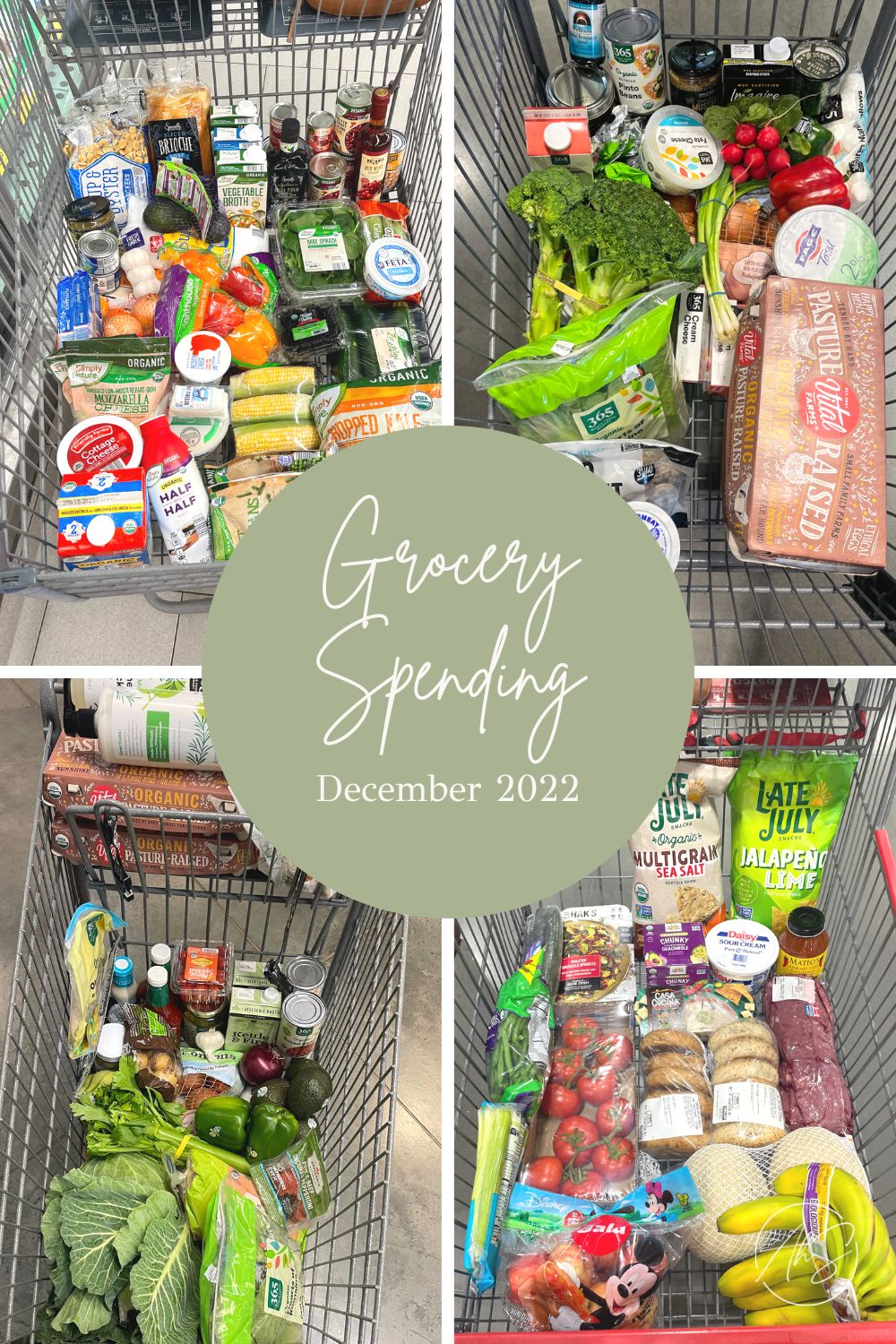
Moreover, this practice aligns with broader societal movements toward reducing food miles and supporting local ecosystems. By growing their own produce, retirees contribute to a more sustainable food system, which can have long-term benefits for both the environment and community resilience.
Challenges and Considerations for Retirees
While home gardening offers numerous advantages, it is not without challenges. Retirees must consider factors such as time commitment, physical ability, and access to suitable land. For individuals with limited mobility or space, container gardening or community garden programs may provide viable alternatives.
Additionally, the success of a garden depends on factors like climate, soil quality, and pest management. Retirees may need to invest time in learning about these aspects or seek guidance from local agricultural extensions. Despite these challenges, many find the effort rewarding and worth the investment.
