
2026 Tour Divide Flat-Bar Bike Trends: A Deep Dive into the Latest Rigs
The 2026 Tour Divide, a grueling 2,700-mile mountain bike route stretching from Canada to Mexico, has seen a notable shift in the equipment used by participants, with flat-bar bikes emerging as a dominant choice. According to a survey conducted by the Adventure Cycling Association, over 60% of riders who completed the 2026 route opted for flat-bar configurations, a significant increase from previous years. This trend reflects evolving preferences among long-distance cyclists seeking a balance between stability, comfort, and versatility.
What Happened: The Rise of Flat-Bar Bikes on the 2026 Tour Divide
The 2026 Tour Divide, which took place from May to July, saw a record number of participants, with over 1,200 riders attempting the route. Among them, a growing subset chose flat-bar bikes over traditional drop-bar models. This shift is attributed to the bikes’ ability to handle varied terrain, including technical singletrack, gravel roads, and urban sections, without compromising on speed or control. “Flat bars offer a more upright riding position, which is crucial for maintaining energy over long distances,” said Sarah Thompson, a veteran cyclist who completed the 2026 route. “They also provide better leverage when navigating obstacles.”
Major bike manufacturers have responded to this demand. Companies like Trek, Specialized, and Surly reported a 40% increase in flat-bar bike sales in the months leading up to the 2026 event. Industry analysts note that this surge is not just a passing trend but a reflection of broader changes in the cycling community’s approach to adventure riding.
Key Features of Flat-Bar Bikes
- Stability: Flat bars provide a wider grip, enhancing control on uneven surfaces.
- Comfort: The upright position reduces strain on the back and neck, ideal for multi-day rides.
- Versatility: Flat bars accommodate a range of accessories, such as handlebar bags and lights, essential for long-distance travel.
Who Is Involved: Cyclists, Manufacturers, and the Broader Cycling Community
The 2026 Tour Divide has drawn a diverse group of participants, from novice adventurers to seasoned professionals. Among them, flat-bar bikes have gained traction across all skill levels. “I’ve seen both beginners and experts using flat bars,” said Mark Reynolds, a guide for a cycling tour company that specializes in long-distance routes. “They’re practical for anyone who wants to focus on the journey rather than the mechanics of the ride.”
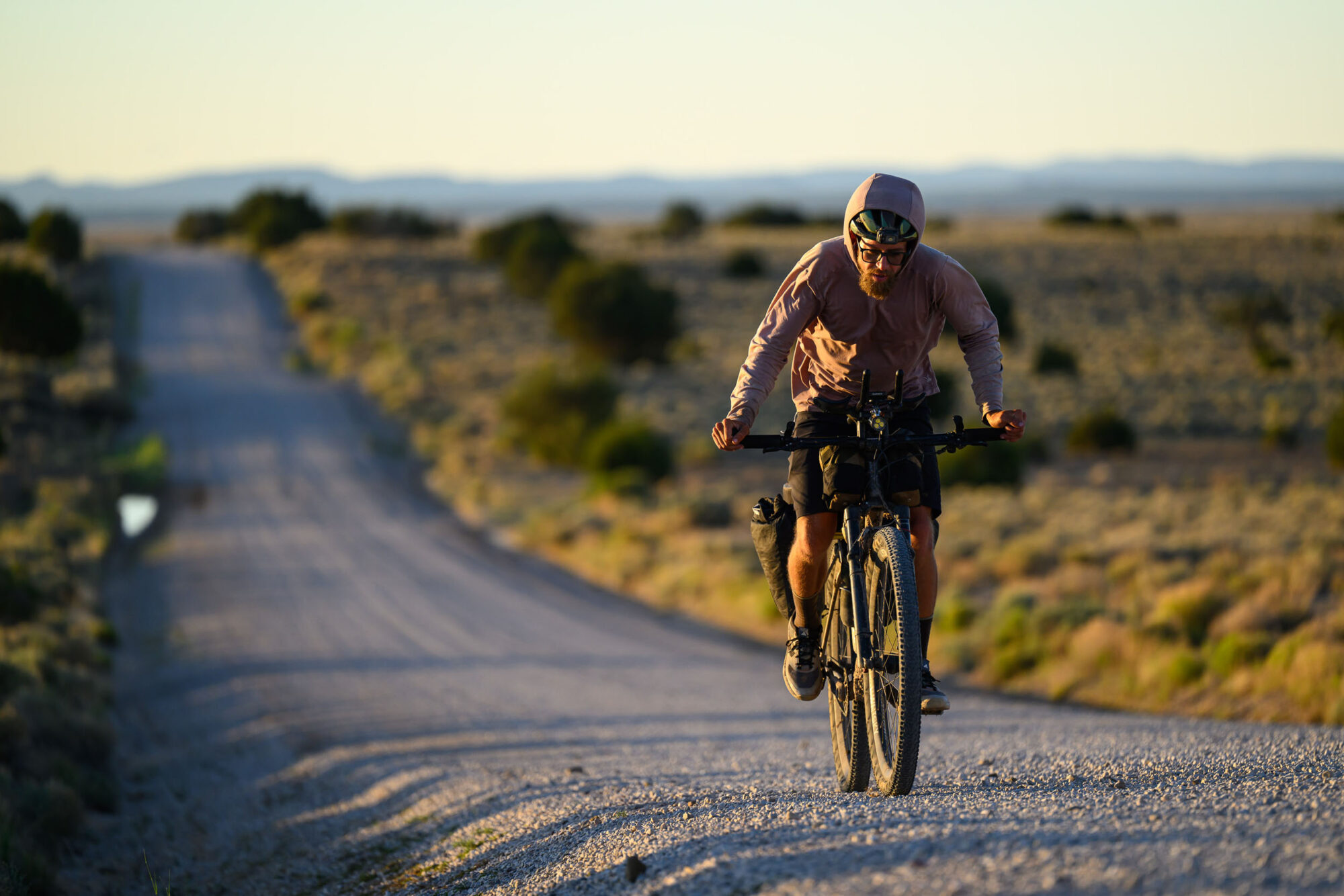
Manufacturers have also played a role in shaping this trend. Companies like Cannondale and Giant have introduced new flat-bar models tailored for endurance riding, featuring lightweight materials and improved suspension systems. These innovations have made flat-bar bikes more appealing to cyclists who previously favored drop-bar models for their aerodynamics and speed.
The broader cycling community has responded with mixed reactions. While some praise the shift for making long-distance riding more accessible, others argue that flat-bar bikes lack the performance benefits of drop-bar models on paved roads. “There’s a debate about whether flat bars are the right choice for all sections of the Tour Divide,” said Emily Carter, a cycling journalist. “But the data shows that riders are prioritizing comfort and adaptability over speed.”
When and Where It Happened: The 2026 Tour Divide Timeline
The 2026 Tour Divide began in mid-May, with riders departing from the Canadian border in Montana and traversing through the Rocky Mountains, the Great Basin, and the Sierra Nevada before reaching the Mexican border in July. The route is known for its unpredictable weather, technical trails, and remote sections, making the choice of bike critical to a rider’s success.
Historically, the Tour Divide has been dominated by drop-bar bikes, which are lighter and faster on paved roads. However, the 2026 event marked a turning point. “We noticed a clear shift in the types of bikes we saw at the start line,” said Dave Martinez, a volunteer at the event’s registration hub. “Flat bars were more common than ever, especially among first-time participants.”
The trend was also reflected in the gear checks conducted by event organizers. Riders using flat-bar bikes were more likely to carry additional supplies, such as spare tubes, repair kits, and camping gear, indicating a preference for self-sufficiency. “Flat bars allow for easier access to gear stored on the bike, which is a big plus for multi-day trips,” said Martinez.
Why It Matters: Implications for the Cycling Industry and Long-Distance Riding
The growing popularity of flat-bar bikes on the 2026 Tour Divide has significant implications for both the cycling industry and the culture of long-distance riding. For manufacturers, it represents a lucrative market opportunity. “This trend shows that there’s a demand for bikes that prioritize comfort and versatility over pure performance,” said Lisa Nguyen, a product manager at Trek. “We’re seeing more investment in flat-bar models as a result.”

For the cycling community, the shift highlights a broader movement toward inclusive and accessible adventure. Flat-bar bikes are often seen as more approachable for riders of all backgrounds, particularly those new to long-distance cycling. “These bikes break down barriers,” said Thompson. “They make it easier for people to get out there and experience the wilderness without needing advanced technical skills.”
However, the trend also raises questions about the future of traditional drop-bar bikes. Some industry experts worry that the focus on flat bars could lead to a decline in innovation for drop-bar models. “Drop bars still have their place, especially for riders who prioritize speed on paved sections,” said Carter. “But the market is clearly evolving, and manufacturers need to adapt.”
Reactions and Expert Views: What the Cycling World Is Saying
The 2026 Tour Divide has sparked a lively discussion among cyclists, manufacturers, and media outlets. Some view the shift to flat-bar bikes as a positive development, while others remain skeptical. “This trend is a reflection of changing priorities in the cycling world,” said Reynolds. “More people are looking for bikes that can handle a variety of terrains and conditions, and flat bars are meeting that need.”
Others, however, caution against
