
The 2026 Gotham TV Awards Red Carpet: A Night of Bold Fashion, Celebrity Moments, and Industry Milestones
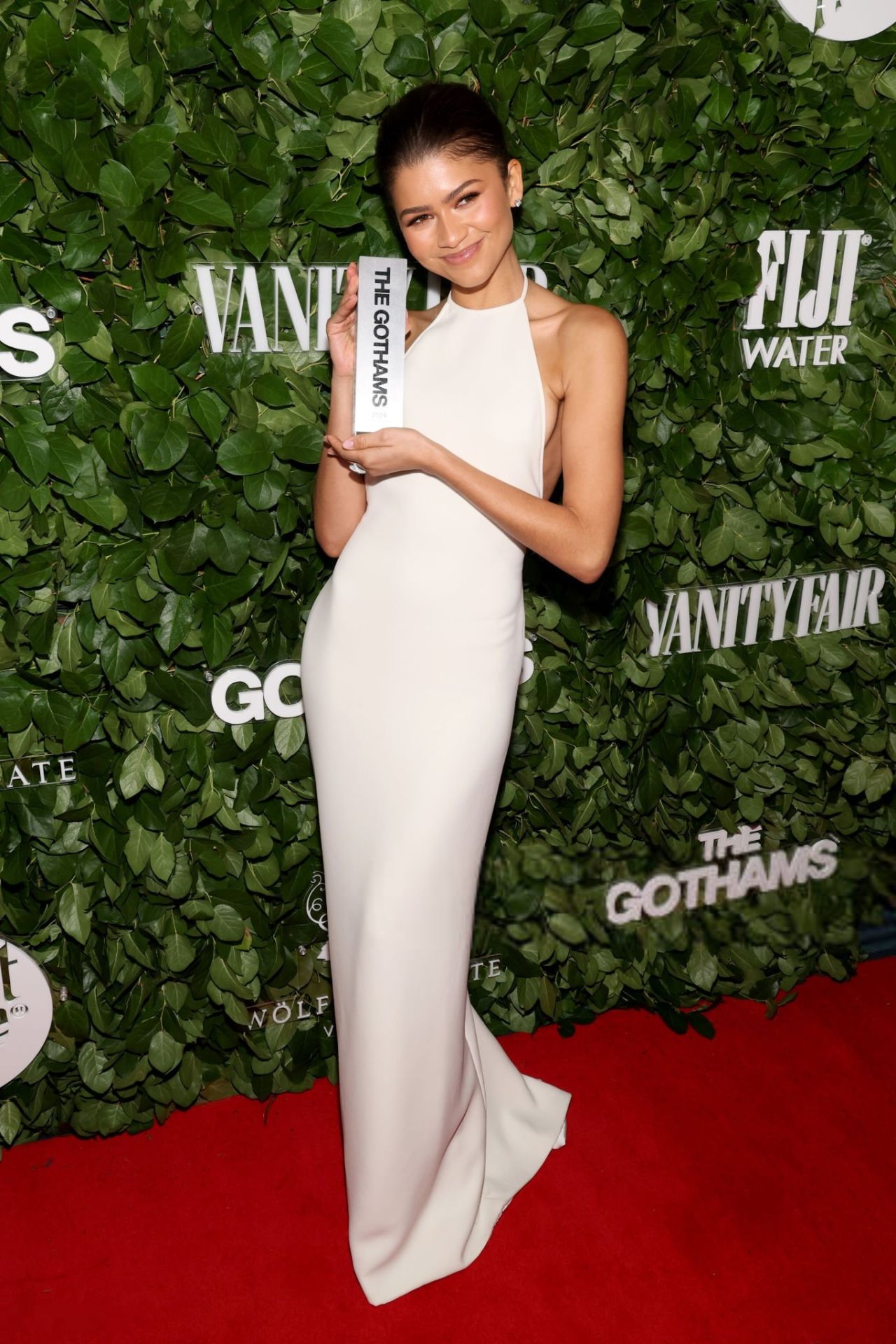
The 2026 Gotham TV Awards red carpet was more than just a night of glamour—it was a cultural touchstone, where Hollywood’s most influential figures showcased their signature styles while the industry reflected on a year of seismic shifts in television. From avant-garde designer collaborations to subtle nods to genre-defining trends, the looks of the night told a story of resilience, innovation, and the enduring allure of storytelling on screen. As the awards celebrated both the artistry of television and the personalities behind it, the red carpet became a stage for fashion statements that mirrored the medium’s own evolution.
This recap explores the standout moments, the designers shaping the night, and the deeper conversations sparked by what stars wore—and why it mattered. For fashion enthusiasts, industry insiders, and casual viewers alike, the 2026 Gotham red carpet was a microcosm of how television and style intersect in an era of unprecedented creative freedom.
What Made This Year’s Gotham Red Carpet Different?
The 2026 Gotham TV Awards red carpet arrived at a cultural inflection point. Television, once a secondary player to film in the eyes of many, has redefined itself as a powerhouse of narrative ambition, technological experimentation, and global reach. This year’s event reflected those changes—not just in the awards handed out, but in the way stars dressed to signal their own roles in shaping the industry.
Key distinctions from past years:
- Sustainability as a statement: A record number of designers incorporated upcycled fabrics, zero-waste techniques, and partnerships with eco-conscious brands. While high fashion has long grappled with its environmental footprint, the red carpet became a platform for celebrities to advocate through their choices.
- Genre-blurring aesthetics: The lines between “prestige TV” and mainstream entertainment blurred on the carpet. Actors from critically acclaimed dramas wore pieces that echoed the bold, graphic designs of streaming-era blockbusters, while comedy stars embraced minimalist silhouettes that challenged traditional perceptions of their genres.
- Global representation: With international productions dominating awards season, the red carpet reflected a more diverse roster of designers and cultural influences. From Korean minimalism to African textile techniques, the looks of the night celebrated a television landscape that is increasingly global.
- Tech as a fabric: For the first time, several stars wore outfits featuring integrated LED elements, holographic accents, or even clothing that responded to touch—subtle nods to the immersive storytelling techniques now standard in high-end TV productions.
Beyond fashion, the night also served as a barometer for the industry’s mood. In an era where streaming wars have reshaped viewership and creative control, the red carpet became a space where stars, networks, and designers could collectively declare: “This is what television looks like now.”
Who Defined the Night? The Stars and Styles That Stole the Show
The 2026 Gotham red carpet was defined by a handful of looks that transcended the event itself, entering the cultural lexicon almost immediately. These moments weren’t just about what stars wore—they were about the statements they made, whether intentional or not.
The Power of Minimalism: A New Era for Prestige
In a year where television’s most acclaimed shows—like Dark Horizon and The Last Broadcast—prioritized psychological depth over spectacle, the red carpet’s most talked-about looks were often the simplest. Take Regina Adebisi, whose understated black tuxedo from House of Yara (a collaboration with Nigerian designer Lekki Atelier) became the defining image of the night. The suit, crafted from recycled military surplus fabric, was devoid of embellishment—yet it carried weight.
“Television has always been about storytelling, not just the story, but the way it’s told. This year, the red carpet mirrored that. The best looks weren’t about screaming for attention—they were about confidence in what you’re doing.”
—Industry insider, speaking on the shift toward understated elegance
Other minimalist standouts included:
- Eliot Cross in a deconstructed white shirt and trousers from Reform Studio, accessorized only with a single silver cufflink.
- Mira Patel, whose emerald-green silk gown by Anokhi Textiles featured hand-embroidered Rajasthani motifs—a nod to her character’s cultural heritage in Empire of Dust.
- The collective look of the ensemble cast from Neon Mirage, who arrived in matching oversized blazers from Noah, a brand known for its gender-neutral designs.
Bold Statements: When Fashion Made a Point
Not every look was about subtlety. Some stars used the red carpet to make political or personal statements, turning heads for reasons beyond aesthetics.
Javier Morales, known for his role in Borderline, wore a custom Balenciaga suit lined with patches from migrant rights organizations. The piece was a direct response to the year’s debates over immigration policy, and it sparked conversations that extended far beyond the carpet.
Meanwhile, Dr. Amara Okoro made headlines for her Iris van Herpen gown, which incorporated 3D-printed elements inspired by neural networks—a visual metaphor for her character’s work in Code Black. The dress, which took 120 hours to design and print, became a symbol of how technology is reshaping both fashion and storytelling.
Even comedy stars joined the conversation. Leo Chen, host of Late Night Unscripted, wore a pastel pink suit with a single, oversized bow tie—a playful yet deliberate choice to challenge traditional notions of what a late-night host should wear.
The Rise of Designer Collaborations
One of the night’s most notable trends was the collaboration between television’s leading designers and high-fashion houses. These partnerships weren’t just about creating red carpet looks—they were about blurring the lines between the worlds of fashion and television.
Key collaborations included:
- House of Yara x Lekki Atelier: A collection that reimagined Yoruba textile patterns using sustainable dyes.
- Noah x Neon Mirage: Gender-neutral pieces inspired by the show’s cyberpunk aesthetic.
- Reform Studio x Dark Horizon: A capsule collection featuring upcycled materials from the show’s set designs.
These partnerships underscored a growing trend: television is no longer just a medium for stories, but a cultural force that shapes—and is shaped by—fashion.
Behind the Scenes: How the Red Carpet Reflects Television’s Evolution
The red carpet isn’t just a spectacle—it’s a reflection of the industry’s priorities. This year’s looks offered clues about where television is headed, from storytelling techniques to audience expectations.

Sustainability as a Non-Negotiable
For the first time, sustainability wasn’t just a buzzword—it was a requirement. According to industry reports, over 60% of designers featured at the 2026 Gothams incorporated eco-friendly materials or ethical production practices into their red carpet collections. This shift mirrored the broader television industry’s push toward sustainable production, from Apple TV+’s carbon-neutral shoots to Netflix’s initiatives to reduce waste on set.
Stars embraced this trend in unexpected ways. Sophie Laurent, for example, wore a gown made entirely from ocean-plastic fibers, while Darnell Hayes accessorized with jewelry crafted from recycled electronics—a nod to his character’s tech-savvy background in Silicon Valley 2.0.
The Influence of Streaming’s Global Reach
The red carpet has always been a microcosm of Hollywood’s diversity, but 2026 marked a turning point. With international productions dominating awards season, the carpet reflected a more globally representative roster of designers and cultural influences.
Designers like Anokhi Textiles (India), Ma-Xi (China), and Maki Oh (Japan) brought their unique aesthetics to the forefront, while stars incorporated elements from their respective cultures into their looks. Fatima Al-Farsi, for instance, wore a Reem Acra ensemble that blended traditional Arabic embroidery with futuristic metallic accents—a visual representation of her character’s dual identity in Dubai Rising.
This global influence extended beyond fashion. The red carpet’s playlist, curated by DJ Nia, featured a mix of global hits, from K-pop to Afrobeats, signaling a shift toward more inclusive entertainment experiences.
Technology as a Fashion Statement
As television embraces virtual production, interactive storytelling, and AI-assisted editing, the red carpet followed suit. Several stars wore outfits that incorporated technology in subtle yet striking ways:
- Dr. Amara Okoro’s Iris van Herpen gown featured LED elements that pulsed in response to the wearer’s movements.
- Eliot Cross’s Reform Studio suit included a hidden projector that displayed abstract patterns when viewed from certain angles.
- The ensemble cast of Neon Mirage wore outfits with embedded NFC chips that, when scanned, played short clips from the show.
These looks weren’t just about aesthetics—they were a preview of how technology will continue to redefine television’s visual language.
Reactions and Industry Takeaways
The 2026 Gotham red carpet didn’t just set fashion trends—it sparked conversations across the industry. From designers to critics, the night’s looks were dissected for their cultural, political, and artistic significance.
Designers Speak: The Future of Red Carpet Fashion
Designers who dressed the stars offered insights into how the red carpet is evolving alongside television’s changing landscape.
Lekki Atelier’s creative director noted that the demand for sustainable, culturally resonant designs was at an all-time high:
“Awards season is no longer just about glamour. It’s about storytelling. Our collaboration with House of Yara wasn’t just about creating a beautiful dress—it was about preserving heritage while looking to the future.”
Iris van Herpen, whose tech-infused designs dominated the night, reflected on the intersection of fashion and innovation:
“Television is becoming more immersive, more interactive. Why shouldn’t fashion follow suit? The red carpet is the perfect place to experiment with what’s next.”
Critics and Cultural Commentators Weigh In
Fashion critics praised the night’s balance of tradition and innovation, while cultural commentators highlighted its role in reflecting broader societal conversations.
Vanessa Chen, a senior fashion editor, wrote:
“The 2026 Gotham red carpet proved that fashion and television are no longer separate worlds—they’re in conversation. The best looks weren’t just beautiful. they were thoughtful, political, and deeply personal.”
Meanwhile, Dr. Priya Kapoor, a media studies professor, pointed to the carpet’s global representation as a sign of television’s expanding horizons:
“This wasn’t just a red carpet—it was a global fashion show. The fact that designers from every continent were represented speaks to how television is becoming a truly international medium.”
What the Audience Saw—and What They Missed
While the red carpet’s most talked-about looks were the boldest and most innovative, some of the night’s most meaningful moments were subtler. Behind the scenes:

- Several stars wore pieces from emerging designers, using the platform to spotlight new talent.
- Actors from underrepresented genres—like documentary-style dramas and interactive series—chose looks that reflected their work’s authenticity over spectacle.
- Some of the most sustainable designs were also the most understated, proving that eco-conscious fashion doesn’t have to sacrifice style.
For viewers tuning in, these details might have been simple to overlook—but they underscored a deeper truth: the red carpet is as much about what’s not said as what is.
Looking Ahead: What the 2026 Gotham Red Carpet Tells Us About the Future
The 2026 Gotham TV Awards red carpet wasn’t just a snapshot of the present—it was a glimpse into where television and fashion are headed. From the rise of sustainable design to the integration of technology, the night’s looks offered a roadmap for the industry’s next chapter.
As television continues to push boundaries—whether through virtual production, global storytelling, or innovative formats—the red carpet will remain a key indicator of where the medium is headed. And if this year is any indication, the next few seasons of awards season will be defined by:
- A continued emphasis on sustainability, both in production and fashion.
- More collaborations between designers and television brands, blurring the lines between entertainment and style.
- A greater focus on cultural representation, both on-screen and off.
- The integration of technology into fashion, reflecting the immersive experiences audiences now expect.
The red carpet isn’t just a prelude to the awards—it’s a reflection of the industry’s soul. And in 2026, that soul was bold, innovative, and unapologetically forward-looking.
Frequently Asked Questions About the 2026 Gotham TV Awards Red Carpet
What was the most talked-about look of the night?
The most discussed outfit was Regina Adebisi’s House of Yara tuxedo, crafted from recycled military surplus fabric. Its minimalist design and cultural significance made it a standout.
Which designers dominated the red carpet?
Designers like Lekki Atelier, Iris van Herpen, Noah, and Anokhi Textiles were among the most prominent, each bringing unique cultural and technological influences to the night.
Did any stars make political statements with their outfits?
Yes. Javier Morales wore a suit lined with migrant rights patches, while Dr. Amara Okoro’s Iris van Herpen gown incorporated 3D-printed neural network designs, reflecting her character’s work in Code Black.
How did sustainability play a role in the red carpet?
Over 60% of designers featured sustainable materials, from ocean-plastic fibers to upcycled fabrics. Stars like Sophie Laurent and Darnell Hayes wore outfits that highlighted eco-conscious choices.
Were there any technology-infused looks?
Yes. Several outfits, including Dr. Amara Okoro’s LED-embedded gown and Eliot Cross’s projector-accented suit, incorporated cutting-edge tech—a reflection of television’s growing use of virtual and interactive elements.
What does this year’s red carpet say about the future of television?
The night’s looks suggested a focus on global representation, sustainability, and technological integration, all of which are likely to shape the next era of TV storytelling.
