The 14p Supplement That Could ‘Cure’ Your Brain Fog & The Truth About Collagen
A low-cost supplement, often costing as little as 14p per dose, may alleviate symptoms of “brain fog” when the condition is driven by specific nutritional deficiencies, such as a lack of Vitamin B12. While high-priced collagen supplements are widely marketed for skin and joint regeneration, medical evidence suggests the body breaks these proteins down into basic amino acids, challenging the claim that they target specific areas of the body.
Which low-cost supplement addresses brain fog?
The supplement frequently cited as a budget-friendly solution for cognitive clarity is Vitamin B12. When purchased in bulk or generic forms, the cost per dose can drop to approximately 14p. According to nutritional guidelines, Vitamin B12 is essential for the maintenance of the myelin sheath, the protective coating that surrounds nerves and allows electrical impulses to travel efficiently through the brain.
A deficiency in B12 can lead to cognitive impairment, memory loss, and a general feeling of mental cloudiness, commonly referred to as “brain fog.” For individuals with malabsorption issues or those following a strict vegan diet—as B12 is primarily found in animal products—this low-cost intervention can result in significant mental clarity. However, medical professionals warn that supplementing without a confirmed deficiency may offer no benefit to those already maintaining adequate levels.
Key points regarding low-cost cognitive supplements include:
- Cost-Efficiency: Generic B-complex or B12 supplements provide the same active ingredients as branded “brain boosters” at a fraction of the price.
- Biological Role: B12 aids in the production of DNA and the functioning of neurons.
- Target Population: The elderly, vegans, and people with gastrointestinal disorders are at the highest risk for deficiencies.
What is the medical reality of “brain fog”?
Medical literature does not recognize “brain fog” as a distinct clinical diagnosis. Instead, it is described as a collection of symptoms including poor concentration, mental fatigue, and forgetfulness. According to health practitioners, brain fog is typically a secondary symptom of an underlying systemic issue rather than a primary disease.
Common drivers of cognitive clouding include:
- Sleep Deprivation: Lack of REM sleep prevents the brain from clearing metabolic waste, leading to sluggish cognitive processing.
- Chronic Stress: Elevated cortisol levels can impair the hippocampus, the region of the brain responsible for memory and learning.
- Nutritional Gaps: Beyond B12, deficiencies in Omega-3 fatty acids, Vitamin D, and Iron can reduce oxygen flow to the brain or impair neurotransmitter function.
- Hormonal Imbalances: Thyroid dysfunction or menopause-related estrogen drops are frequently linked to mental clarity issues.
“Brain fog is a signal from the body that a physiological need is not being met, whether that is sleep, nutrition, or hormonal balance,” according to clinical health guidelines.
Does collagen actually work for skin and joints?
Collagen is the most abundant protein in the human body, providing structure to skin, cartilage, and bones. The supplement industry markets collagen peptides as a way to “fill in” wrinkles or repair joint cartilage. However, the biological reality of digestion complicates these claims.
When a person consumes collagen—whether through a powder, pill, or liquid—the digestive system does not transport the collagen protein directly to the skin or joints. Instead, stomach acid and enzymes break the collagen down into its constituent amino acids (primarily glycine, proline, and hydroxyproline). The body then redistributes these amino acids wherever they are most needed, regardless of where the original protein came from.
While some small-scale studies suggest an improvement in skin elasticity, critics argue that these results can be achieved by consuming any high-quality protein source. The “truth” about collagen is that it is not a targeted delivery system but rather a source of protein that provides the raw materials for the body to produce its own collagen.
To maximize natural collagen production, experts suggest focusing on “cofactors” rather than just the protein itself:
- Vitamin C: Essential for the synthesis of collagen fibers.
- Copper and Zinc: Act as catalysts in the collagen-building process.
- Sun Protection: UV rays break down existing collagen faster than supplements can replace it.
Comparing high-cost collagen to essential nutrients
There is a stark contrast between the pricing and the evidence-based efficacy of “beauty” supplements like collagen versus essential vitamins like B12. While collagen is often sold as a premium luxury product, its biological impact is more general. In contrast, B12 provides a specific, critical function that, if missing, causes measurable neurological decline.
| Feature | Generic B12 (The “14p” Option) | Collagen Supplements |
|---|---|---|
| Primary Goal | Neurological function & energy | Skin elasticity & joint health |
| Mechanism | Direct cofactor for nerve health | Broken down into amino acids |
| Price Point | Generally low/accessible | Often high/premium |
| Evidence Level | High (for deficiency correction) | Mixed/Moderate (often industry-funded) |
| Risk of Overuse | Low (water-soluble) | Low (essentially extra protein) |
How to identify genuine nutritional deficiencies
Taking supplements based on marketing trends can lead to “expensive urine,” where the body simply excretes excess water-soluble vitamins. To avoid wasting money on unnecessary supplements, a diagnostic approach is required.
The most reliable method for identifying a need for a supplement is through blood pathology. A Full Blood Count (FBC) and specific nutrient panels can determine if a person is actually deficient in B12, Iron, or Vitamin D. For those experiencing brain fog, a doctor may also check thyroid-stimulating hormone (TSH) levels to rule out hypothyroidism.
Common signs that suggest a nutrient deficiency may be present:
- B12 Deficiency: Tingling in hands and feet (paresthesia), extreme fatigue, and cognitive decline.
- Iron Deficiency: Pale skin, shortness of breath, and cold extremities.
- Vitamin D Deficiency: Bone pain, muscle weakness, and mood swings.
For those looking to improve cognitive function naturally, a related explainer on brain-healthy diets may provide more sustainable alternatives to supplementation.
The marketing gap in the wellness industry
The discrepancy between a 14p vitamin and a £30 collagen powder highlights a broader trend in the wellness industry: the “premiumization” of basic nutrition. Many high-end supplements use “proprietary blends” to hide the fact that the active ingredients are available in cheap, generic forms.
Marketing strategies often employ “pseudo-medical” language to suggest that a product is a “cure” or a “breakthrough.” For example, the term “bioavailable” is frequently used to justify higher prices, although many generic supplements are formulated for high absorption. In the case of collagen, the marketing implies a “direct-to-site” delivery that contradicts basic human physiology.
Consumers can avoid these traps by:
- Checking the Ingredient List: Looking for the actual name of the vitamin (e.g., Methylcobalamin for B12) rather than a branded name.
- Comparing Price per Dose: Calculating the cost of a single serving rather than the total bottle price.
- Ignoring “Beauty” Branding: Recognizing that a protein powder marketed for skin is fundamentally similar to a protein powder marketed for muscles.
The role of lifestyle in cognitive clarity
While a 14p supplement can solve a deficiency, it cannot override a poor lifestyle. If brain fog is caused by systemic inflammation or lack of sleep, B12 will have little to no effect. The “cure” for cognitive clouding usually requires a multi-pronged approach.
Hydration and the Brain: The brain is approximately 75% water. Even mild dehydration can impair short-term memory and attention spans. Increasing water intake is a zero-cost intervention that often mimics the effects of “brain boosters.”
The Impact of Glucose Spikes: Diets high in refined sugars lead to rapid spikes and crashes in blood glucose. The resulting “sugar crash” is a primary cause of afternoon brain fog, which many people mistake for a nutritional deficiency.
Physical Activity: Exercise increases the production of Brain-Derived Neurotrophic Factor (BDNF), a protein that supports the survival of existing neurons and encourages the growth of new ones. This provides a long-term cognitive benefit that supplements cannot replicate.
FAQ: Brain Fog and Collagen Supplements
Can a 14p supplement really cure brain fog?
If the brain fog is caused by a Vitamin B12 deficiency, then a low-cost B12 supplement can resolve the symptoms. However, if the cause is stress, lack of sleep, or another medical condition, a B12 supplement will not provide a cure.
Is collagen a waste of money?
Not necessarily, but it is often overpriced for what it is: protein. If you already consume enough protein through meat, fish, eggs, or legumes, a collagen supplement provides little additional benefit. It is essentially a source of amino acids, not a targeted skin treatment.
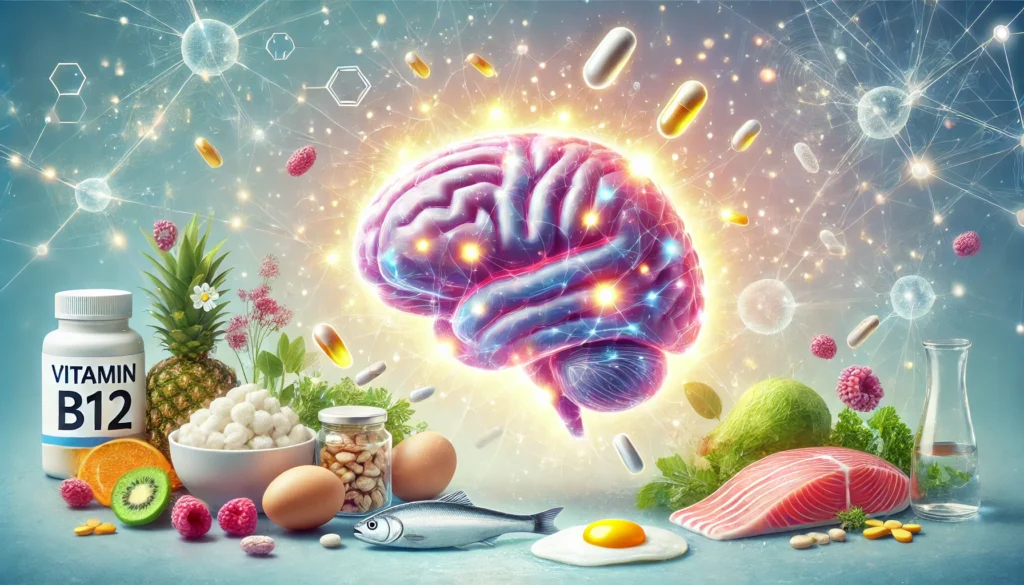
What are the best foods for brain fog?
Foods rich in Omega-3s (salmon, walnuts), antioxidants (blueberries, dark leafy greens), and B vitamins (eggs, legumes, lean meats) are generally recommended to support cognitive function and reduce inflammation.
How do I know if I have a B12 deficiency?
The only definitive way to know is through a blood test ordered by a healthcare provider. Common symptoms include fatigue, mental confusion, and a “pins and needles” sensation in the extremities.
Can I take collagen and B12 together?
Yes, there are no known negative interactions between collagen proteins and B-complex vitamins. However, they serve entirely different purposes in the body.
For further information on managing cognitive health, readers may find a related explainer on sleep hygiene useful for addressing the root causes of mental fatigue.
